In this article
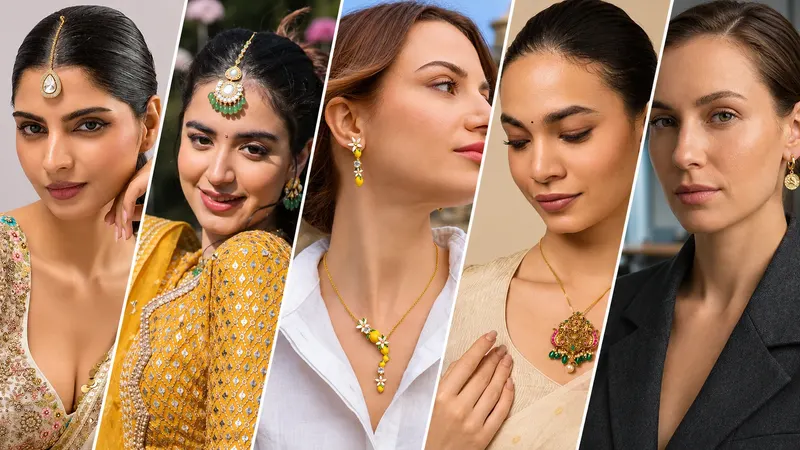
Minimal bridal jewellery focuses on a few deliberate pieces rather than filling every available space. A clear necklace line, comfortable earrings or one meaningful pendant can feel complete when the scale works with the blouse, hairstyle and decoration already in the outfit.
These twelve ideas offer different ways to edit a bridal look without making it feel unfinished. Choose the piece you most enjoy wearing first, then add others only when they improve the balance or carry personal significance for you.
12 Minimal Bridal Jewellery Ideas
1. Small Necklace and Stud Earrings
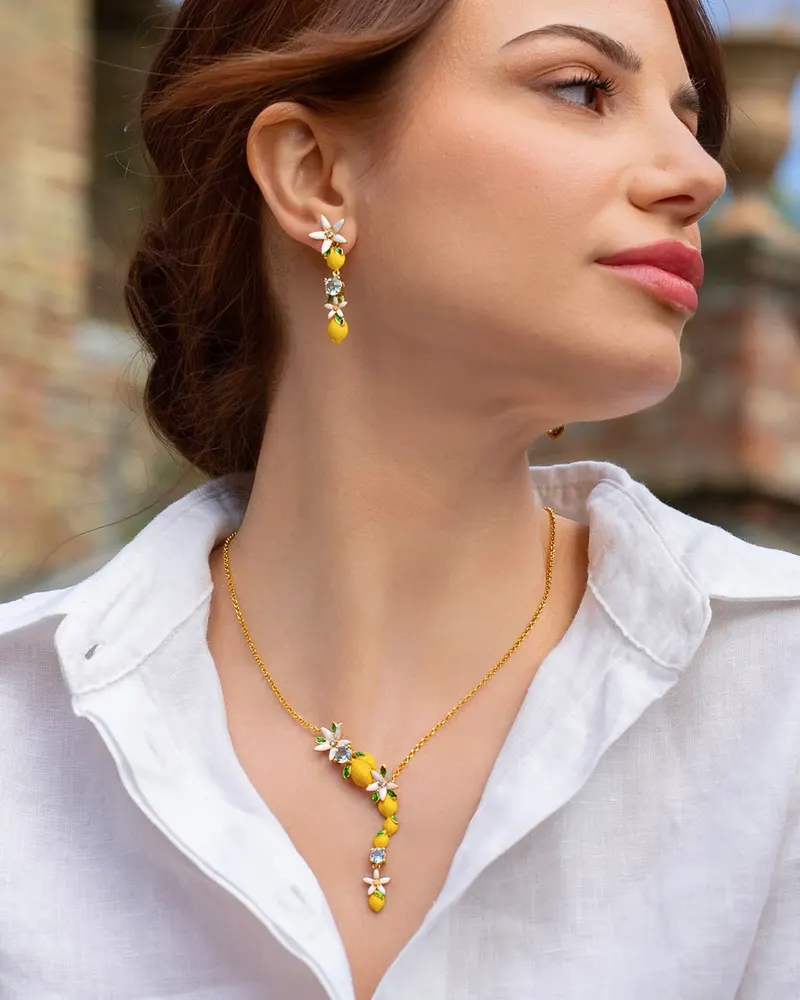
A compact necklace and close-fitting earrings share one finish or motif, creating coordination with limited volume around the face. The spacing around the central detail affects how light or substantial the complete piece appears when it is actually worn.
Choose a necklace position that clears the blouse opening and let the saree or lehenga provide the larger decorative surface. Try the actual piece for comfort before the event; a photograph cannot reveal its weight or how the fastening feels.
2. Statement Earrings without a Necklace
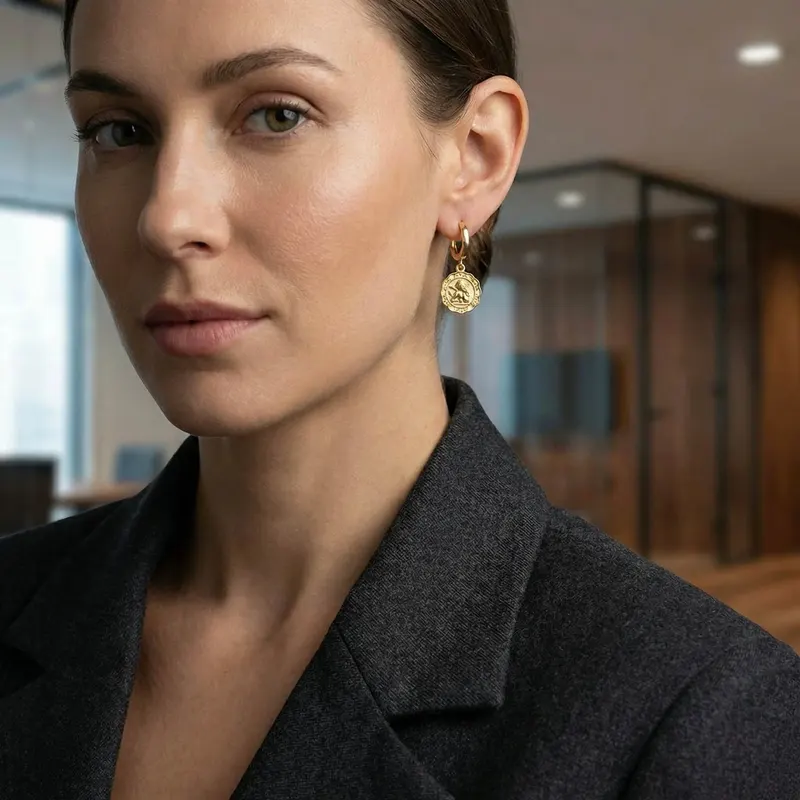
One noticeable pair of earrings supplies the main jewellery detail while the neckline remains open and visually uncomplicated beneath them. Its visual weight comes from the setting and arrangement, not simply from the number of decorative elements it contains.
Check earring comfort with the hairstyle and avoid adding a large forehead ornament unless you deliberately want another focal point. Confirm the materials with the maker or seller instead of inferring metal purity or stone identity from the design name.
3. Single Pendant Necklace
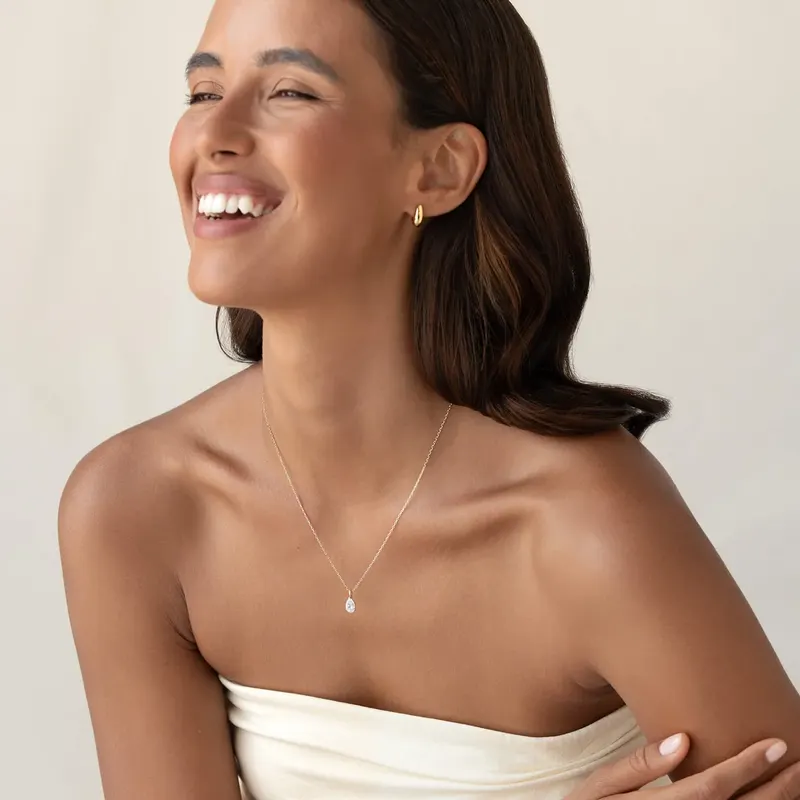
A modest central pendant hangs from a simple chain, concentrating attention in one place rather than across a broad necklace band. The outline stays clearer when nearby accessories leave a little open space instead of overlapping every edge of the design.
Use the pendant's resting point to guide the neckline pairing and keep surrounding embroidery from covering the small central detail. Check the reverse surface and clasp for rough edges, especially when the piece will touch skin for several hours.
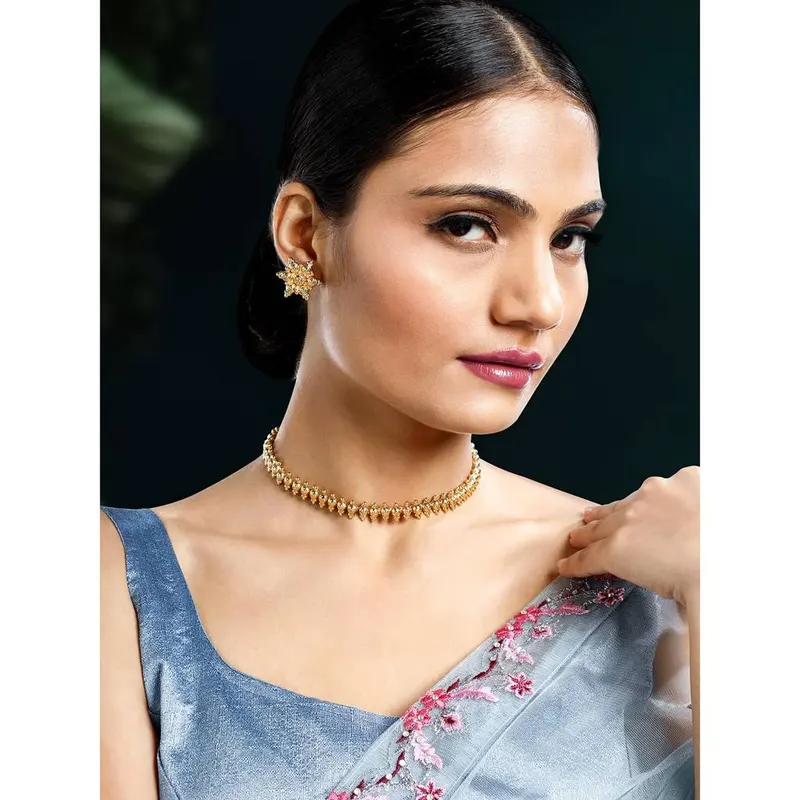
4. Narrow Choker with Small Earrings
A slim close-fitting band creates a defined line near the neck while compact earrings maintain space around the jaw. A close view reveals the surface treatment, while a full outfit photograph shows whether the overall scale feels balanced.
Choose a comfortable fastening and leave the lower neckline area open rather than adding a second equally close necklace. Take a trial photograph with the actual outfit before adding more accessories around the same part of the finished look.
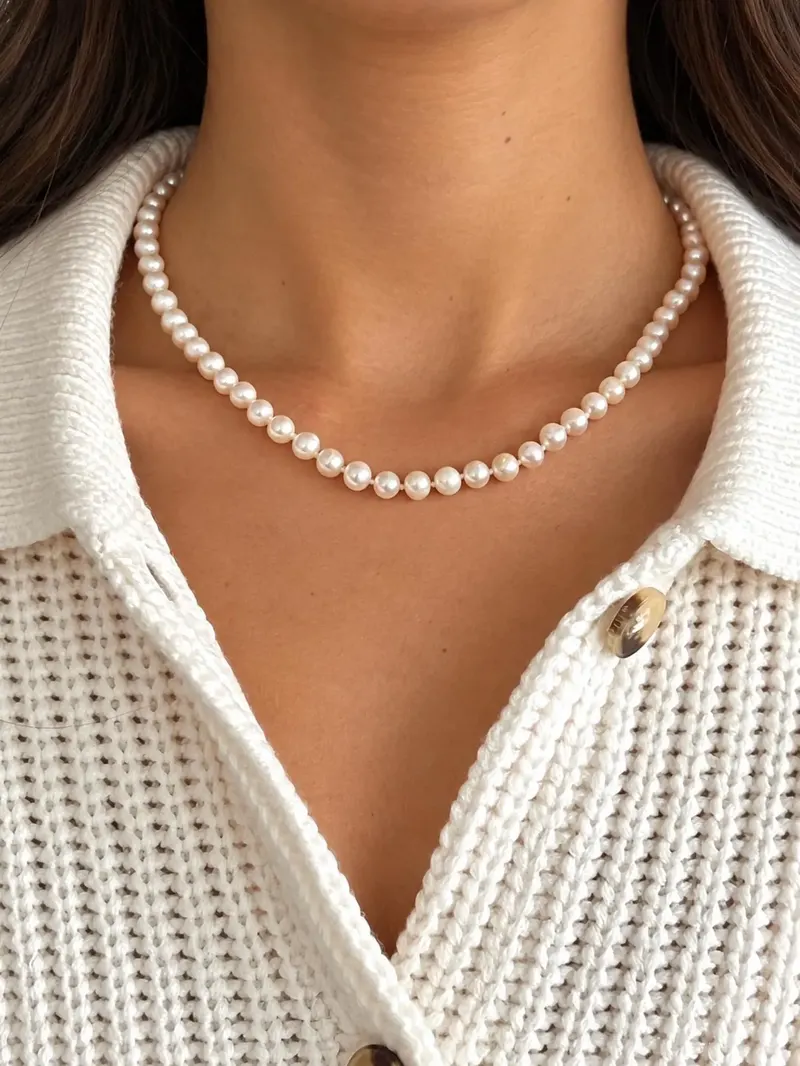
5. One Pearl-Look Strand
A single row of rounded beads creates a restrained necklace outline, with its length determining how it relates to the blouse. The finish can relate to the outfit without requiring every stone, bead and fabric colour to match one another exactly.
Confirm bead materials and choose simple earrings that support the strand without repeating multiple rows around the face. Keep fragrance and styling products away from the piece, and follow care guidance appropriate to its actual materials and finish.
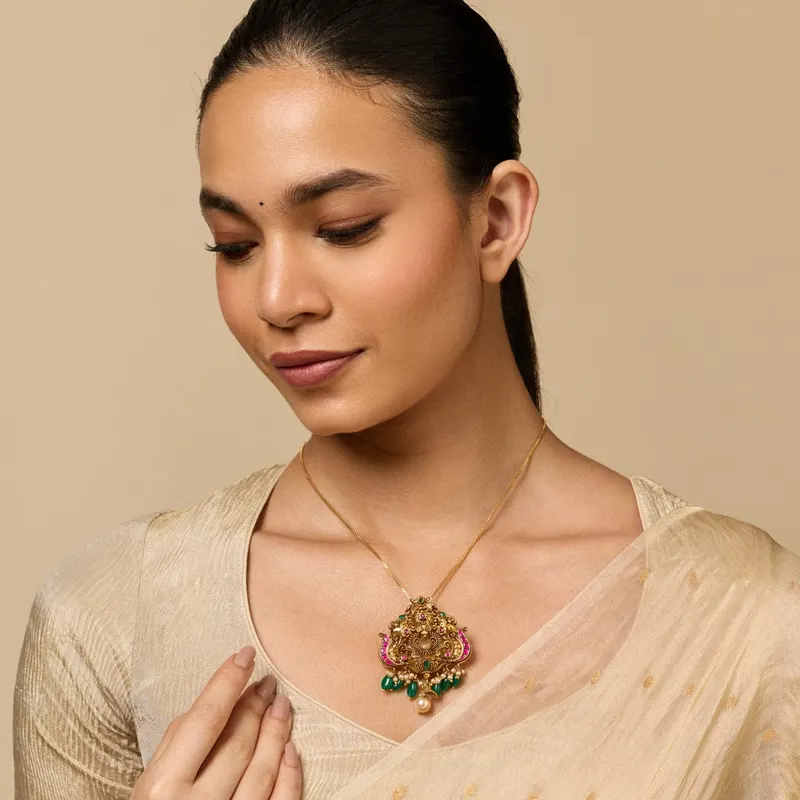
6. Small Temple-Motif Pendant
One sculptural pendant provides a traditional motif within a relatively simple chain arrangement, avoiding the scale of a broad layered set. This arrangement places attention on a defined feature rather than distributing equal visual emphasis across the whole bridal jewellery set.
Keep the motif visible against a quiet blouse area and choose supporting pieces that do not compete with its relief detail. Make sure the piece stays secure during normal movement without needing uncomfortable tension against your hair, clothing or skin.
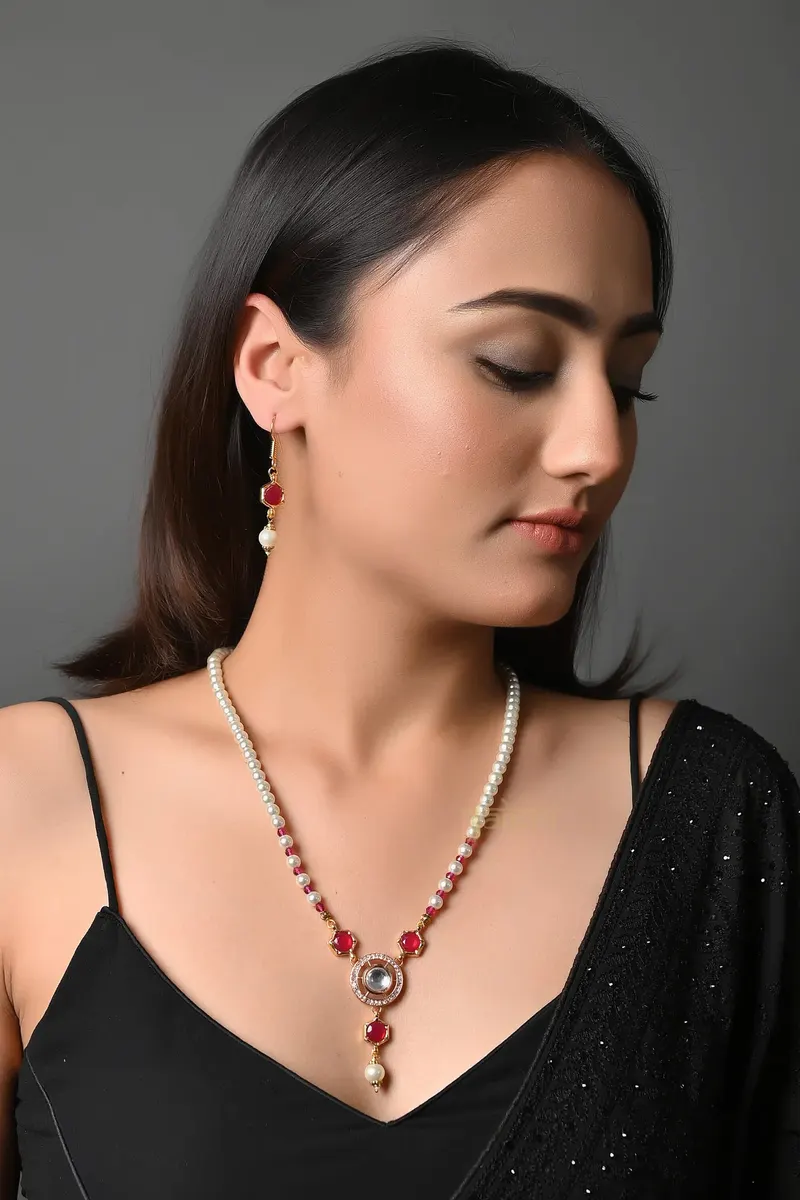
7. Compact Kundan-Style Set
A smaller framed-setting necklace and restrained earrings retain the design language without covering a large area around the neckline. The spacing around the central detail affects how light or substantial the complete piece appears when it is actually worn.
Confirm materials separately and leave additional forehead or hand jewellery optional rather than treating every coordinated component as compulsory. Try the actual piece for comfort before the event; a photograph cannot reveal its weight or how the fastening feels.
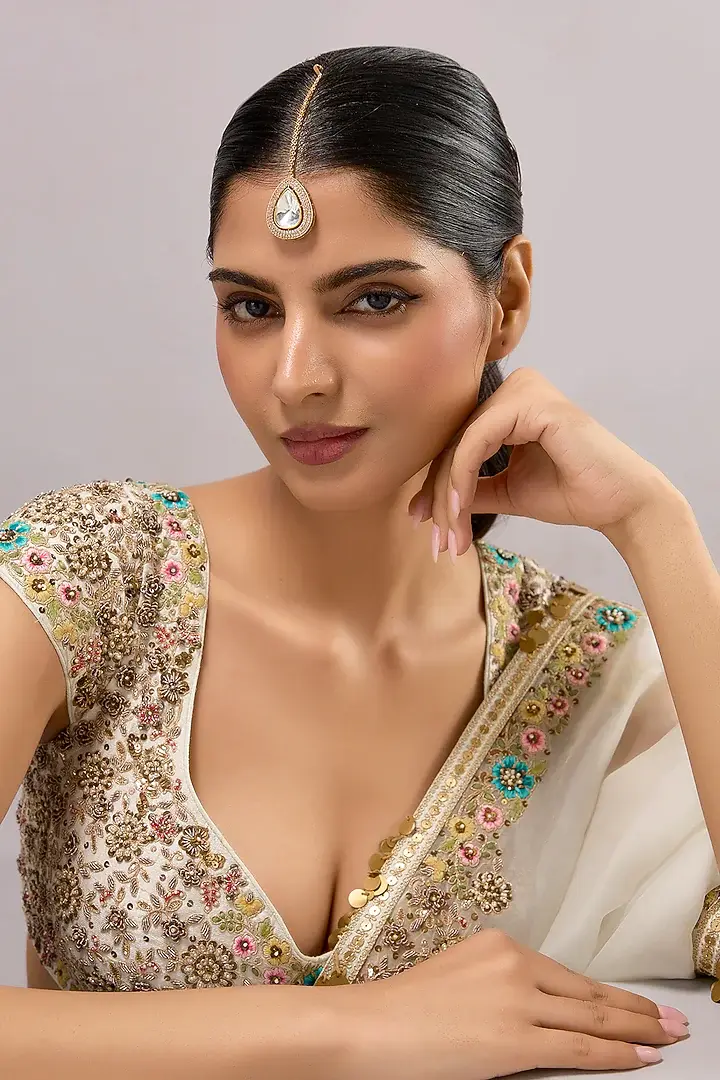
8. Small Maang Tikka and Studs
A compact forehead pendant becomes the main facial-area detail, supported by close-fitting earrings and a quieter neckline arrangement. Its visual weight comes from the setting and arrangement, not simply from the number of decorative elements it contains.
Try the placement with the hairstyle and keep the pendant proportionate to the space around the hairline. Confirm the materials with the maker or seller instead of inferring metal purity or stone identity from the design name.
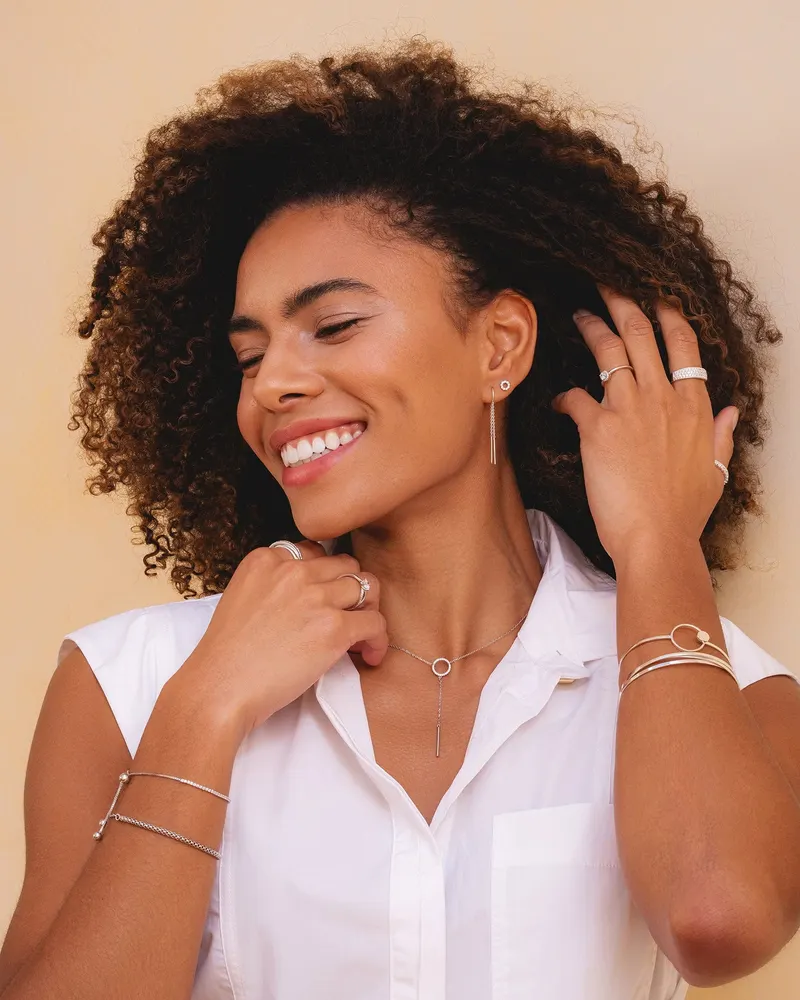
9. Fine Bracelet and Earrings
A single wrist piece accompanies a considered pair of earrings, leaving the neck free of additional jewellery and layered chains. The outline stays clearer when nearby accessories leave a little open space instead of overlapping every edge of the design.
Check the bracelet fastening and coordinate its use with any henna plans so it remains comfortable throughout the event. Check the reverse surface and clasp for rough edges, especially when the piece will touch skin for several hours.
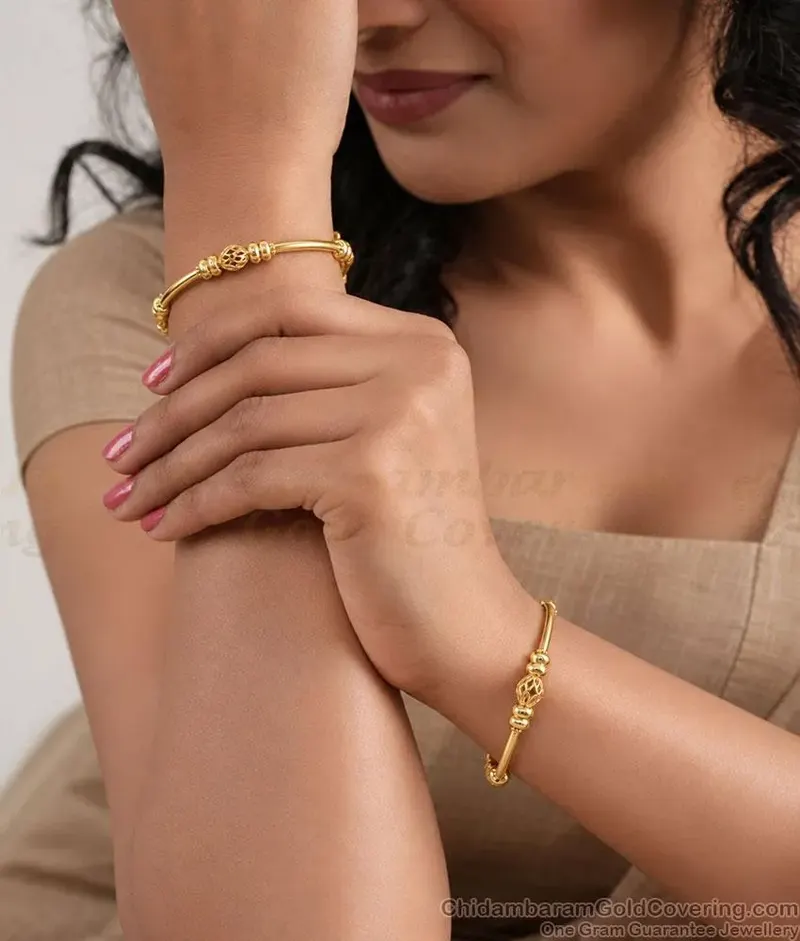
10. One Bangle Pair
Two coordinated wrist pieces add a deliberate finishing detail without a larger stack, leaving more movement and visible space around the hands. A close view reveals the surface treatment, while a full outfit photograph shows whether the overall scale feels balanced.
Choose smooth inner surfaces and inspect raised edges that could catch the dupatta or delicate blouse embroidery. Take a trial photograph with the actual outfit before adding more accessories around the same part of the finished look.
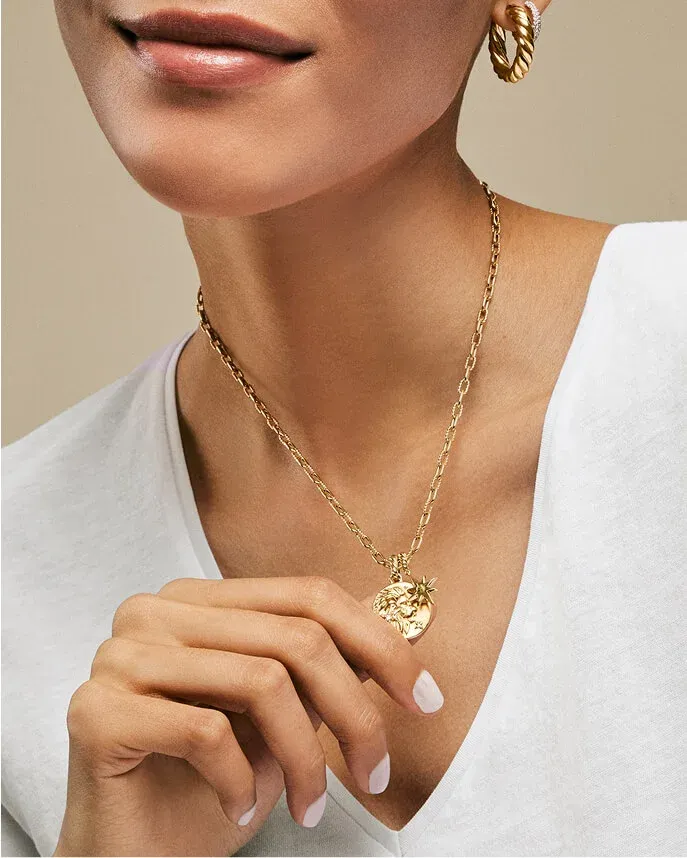
11. Heirloom-Led Minimal Set
One personally meaningful piece leads the arrangement, with simpler supporting jewellery chosen around its actual shape, finish and condition. The finish can relate to the outfit without requiring every stone, bead and fabric colour to match one another exactly.
Have the fastening checked where needed and avoid assuming older pieces should be cleaned with the same method as new jewellery. Keep fragrance and styling products away from the piece, and follow care guidance appropriate to its actual materials and finish.
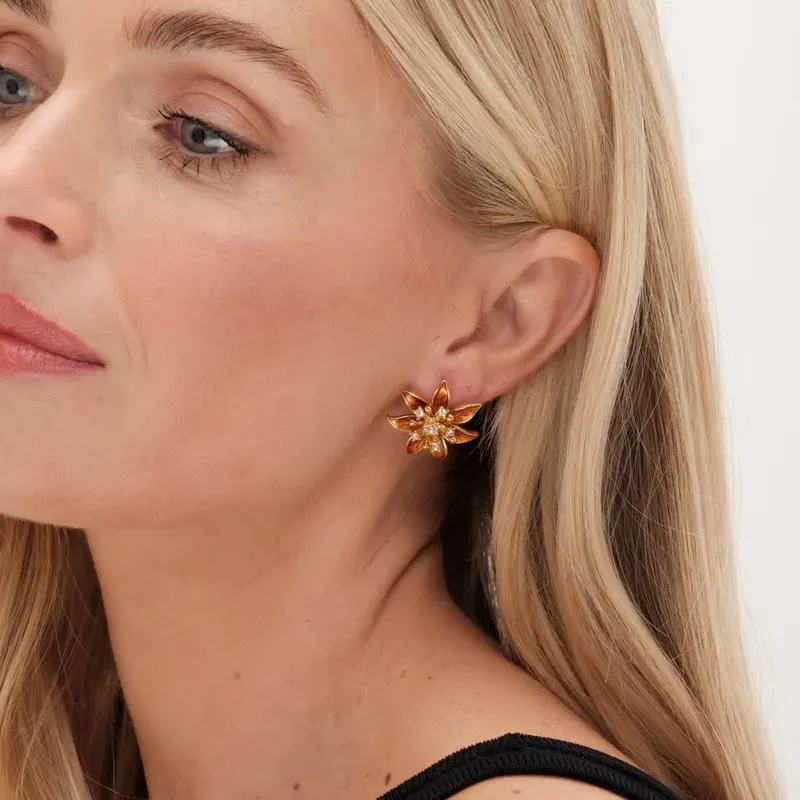
12. Single-Colour Accent Jewellery
One small coloured element appears in a pendant or earrings, creating a controlled link with the outfit rather than a multicolour set. This arrangement places attention on a defined feature rather than distributing equal visual emphasis across the whole bridal jewellery set.
Repeat the accent sparingly and confirm the material separately, using colour coordination as a styling choice rather than a quality claim. Make sure the piece stays secure during normal movement without needing uncomfortable tension against your hair, clothing or skin.
Practical Styling and Selection Tips
- Choose one leading piece before adding supporting accessories.
- Try removing one item during the outfit trial and compare the result.
- Prioritise secure fastenings and comfortable weight over completing a matching collection.
- Keep personal or cultural preferences central when deciding what minimal means for you.
Conclusion
Minimal bridal jewellery is an editing choice, not a rule about how many pieces you are allowed to wear. Start with one item that feels right with your outfit, then add only what improves the balance or matters personally. Comfort, secure placement and clear spacing help a restrained arrangement feel intentional.