
In this article
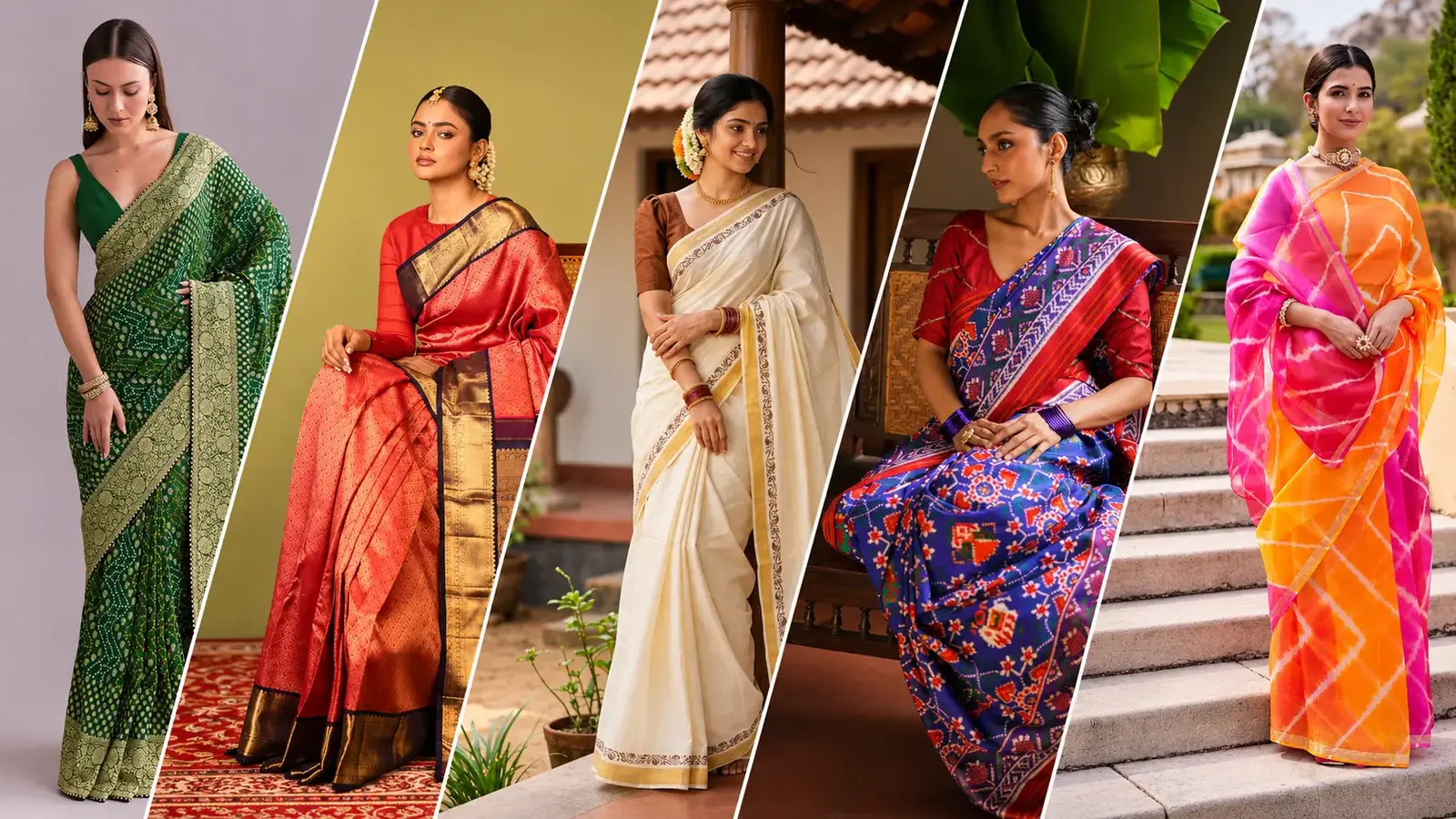
India’s saree traditions are not one textile repeated in fifteen colors. They are a collection of distinct weaving and dyeing practices shaped by geography, craft communities, fibers and occasions. This guide introduces fifteen important saree families, explains what makes each one recognizable and offers practical advice for styling and shopping without confusing a printed imitation with an authenticated regional weave.
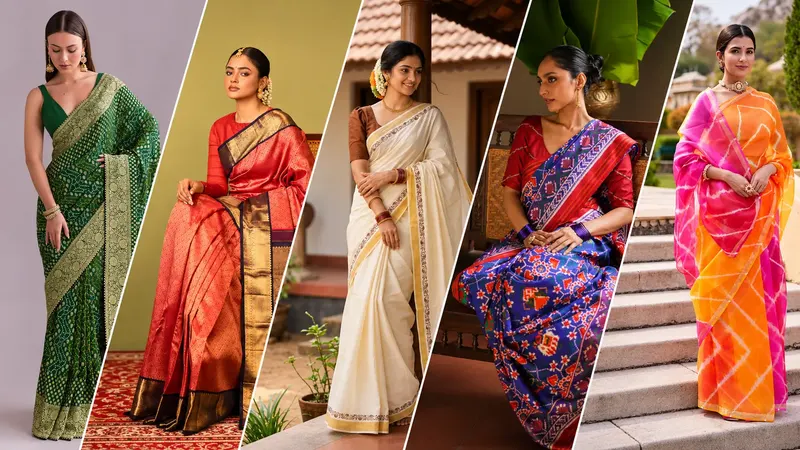
A comparison of 15 Indian saree traditions
| Type | Region or tradition | Signature characteristic |
|---|---|---|
| Banarasi sarees | Varanasi, Uttar Pradesh | Banarasi textiles are best known for sophisticated brocade, silk grounds and ornament … |
| Kanjivaram silk sarees | Kanchipuram, Tamil Nadu | Kanjivaram, or Kanchipuram silk, has a ceremonial reputation built on distinctive Sout… |
| Chanderi sarees | Madhya Pradesh | Chanderi textiles are associated with fine weaving and a luminous, often semi-sheer ap… |
| Patan Patola sarees | Gujarat | Patan Patola is famous for technically demanding double ikat, in which both warp and w… |
| Pochampally Ikat sarees | Telangana | Pochampally is closely associated with yarn-resist ikat weaving and geometric patterni… |
| Paithani sarees | Maharashtra | Paithani sarees are associated with Maharashtra and celebrated for ornate pallus, vibr… |
| Baluchari sarees | West Bengal | Baluchari weaving is known for narrative and figurative motifs, often arranged in the … |
| Jamdani sarees | Bengal and wider South Asian traditions | Jamdani is celebrated for fine woven cloth carrying distinctive supplementary motifs t… |
| Sambalpuri sarees | Odisha | Sambalpuri sarees are part of Odisha's celebrated ikat textile traditions. The yarns a… |
| Bandhani sarees | Gujarat and Rajasthan | Bandhani describes resist-dyeing in which selected points of fabric are tied before dy… |
| Leheriya sarees | Rajasthan | Leheriya is a resist-dyeing tradition associated with wave-like stripes and diagonals,… |
| Kota Doria sarees | Rajasthan | Kota Doria is known for an airy woven structure with a characteristic small-check appe… |
| Maheshwari sarees | Madhya Pradesh | Maheshwari sarees are associated with Maheshwar and are often recognized for refined b… |
| Kasavu-style sarees | Kerala | Kasavu-style sarees are often associated with an ivory or off-white base and a gold-to… |
| Assam silk sarees | Assam | Assam is associated with distinctive silk traditions, including muga silk's naturally … |
What qualifies as a distinct saree type?
A saree may be classified by weaving center, technique, fiber, motif or regional drape. That creates overlap. Banarasi often describes brocade production associated with Varanasi, while Bandhani describes a dyeing method that can be applied to different base fabrics. Patola points to a specific historical ikat tradition, while cotton and silk name fibers. A reliable fashion guide should not put all these terms into the same category without explaining the differences.
Handloom means woven using a manually operated loom, not necessarily pure silk or expensive fabric. Similarly, geographic-indication registration can protect an origin-linked product, but a beautiful design that resembles it may not be locally made. When learning the names, remember the distinguishing technique, ask where a piece was produced and check the seller’s material description. These basic questions make comparison shopping more useful and fair to the people who produce the textiles.
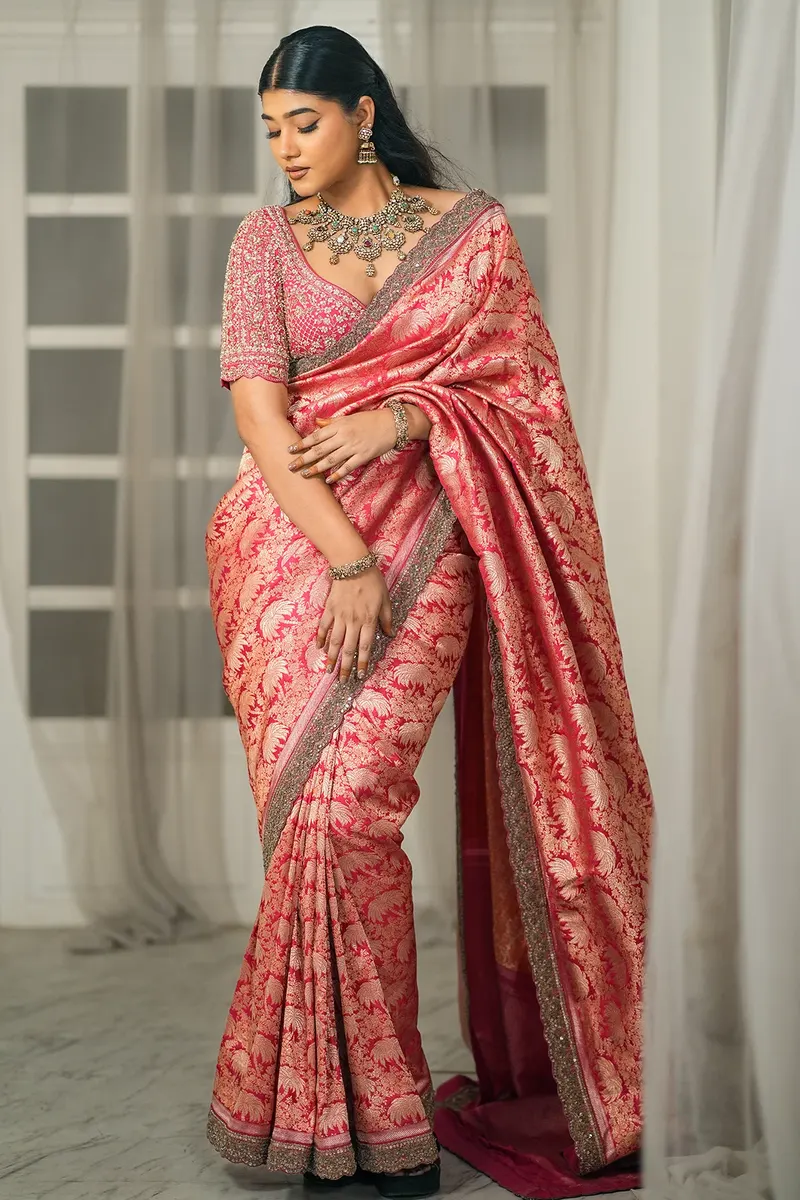
1. Banarasi sarees — Varanasi, Uttar Pradesh
Banarasi textiles are best known for sophisticated brocade, silk grounds and ornament that may incorporate zari, floral vines, paisleys and tightly arranged small motifs. The city of Varanasi has a broad weaving vocabulary, so a light Banarasi-style saree and a richly worked bridal brocade can feel very different in the hand. The registered Banaras Brocades and Sarees geographical indication documents the craft's connection to its weaving region. A design resembling Banarasi work is not automatically proof of local origin.
If you are choosing a Banarasi saree, inspect the body and pallu closely. Ask whether patterns are woven into the textile or printed later, what the actual fiber content is, and whether the border uses genuine metallic threads or modern alternatives. For styling, use the fabric's richness as your focal point. A tailored blouse, understated earrings and a neatly balanced pallu often work better than competing jewelry. When travelling with heavier brocade, fold carefully, avoid sharp pins in elaborate sections and allow time to prepare the drape before a ceremony.
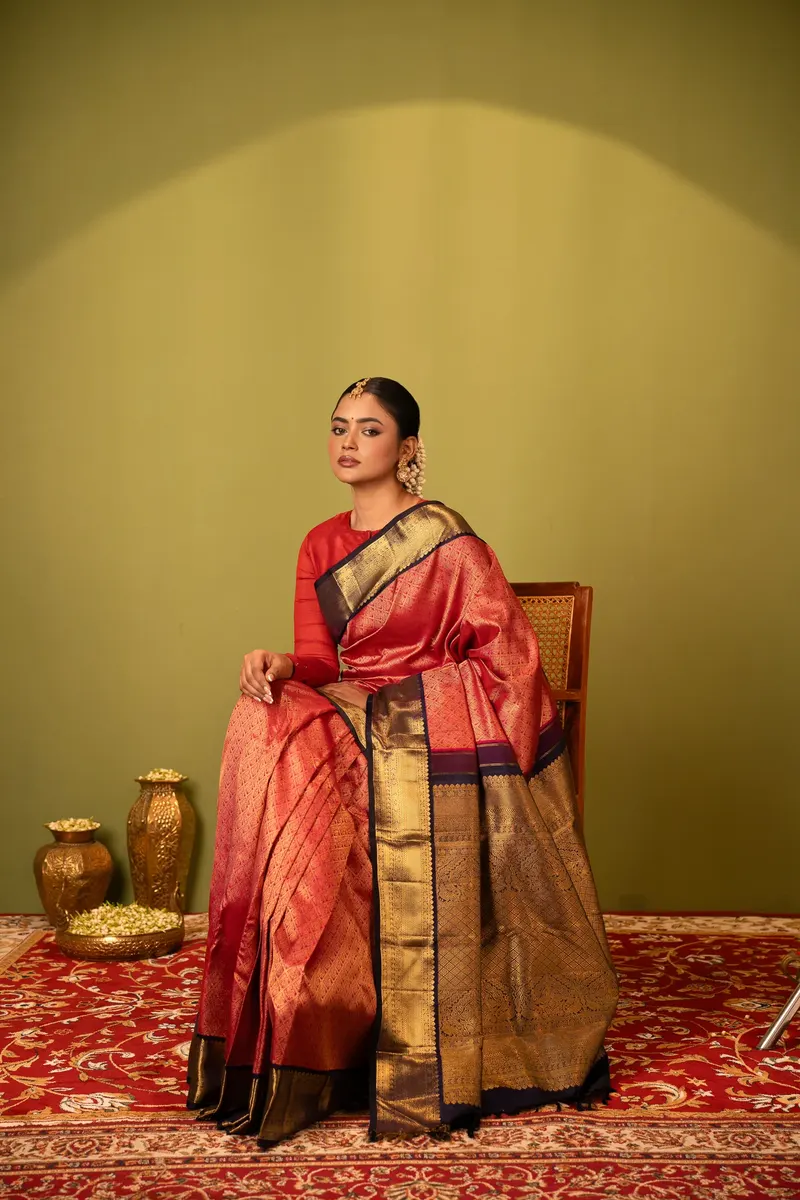
2. Kanjivaram silk sarees — Kanchipuram, Tamil Nadu
Kanjivaram, or Kanchipuram silk, has a ceremonial reputation built on distinctive South Indian weaving techniques and substantial silk fabrics. Classic examples display contrasting borders, vivid colors, checks, traditional geometric forms and motifs influenced by the area's architecture and artistic traditions. The Kancheepuram Silk geographical indication is registered in India. Contemporary sellers also offer lighter fabrics or Kanjivaram-inspired designs, so the name alone does not reveal exact fiber content or method of construction.
When comparing Kanjivaram sarees, examine the relationship between the body, borders and pallu. The well-known korvai construction involves joining different colored sections through weaving rather than simply stitching a decorative trim to the edge. It is a useful term to know, but not every listing will describe its construction accurately. Choose a blouse that either repeats a border color or complements it quietly. Consider the textile's weight, temperature and the amount of time you will be standing before buying for a wedding or temple celebration.
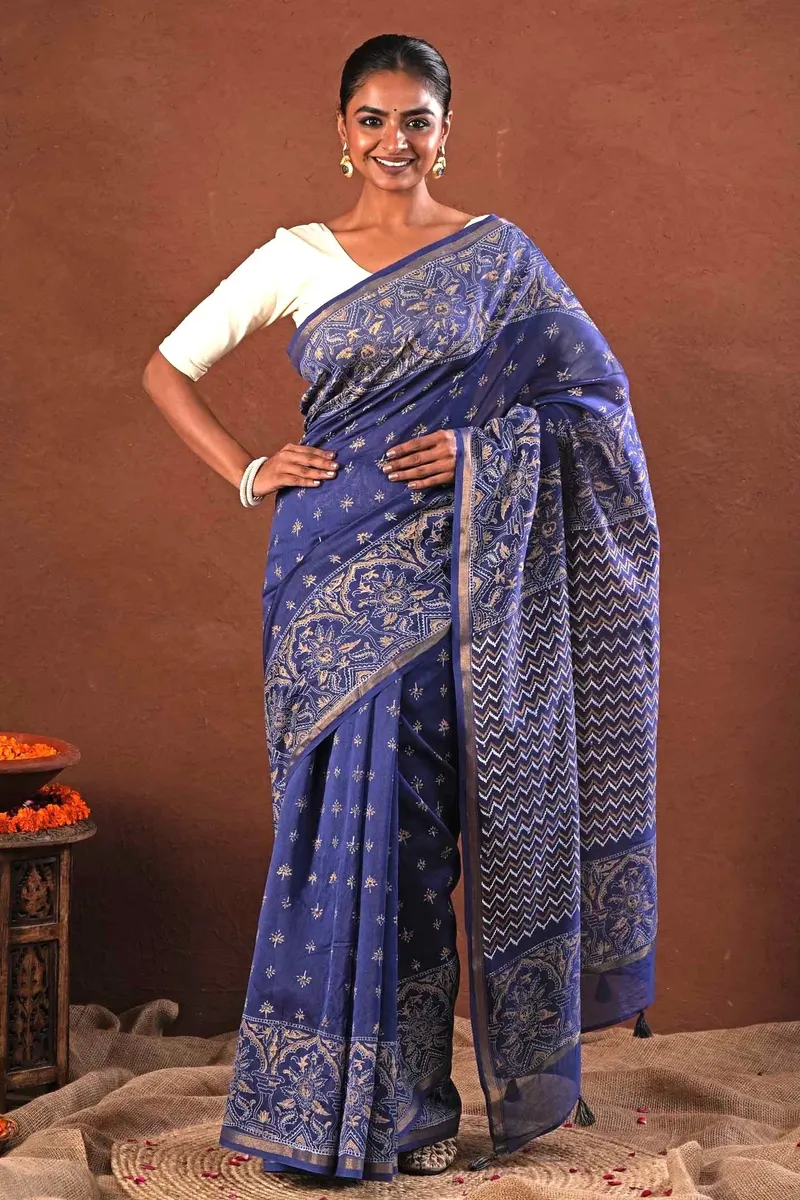
3. Chanderi sarees — Madhya Pradesh
Chanderi textiles are associated with fine weaving and a luminous, often semi-sheer appearance. They may be produced in cotton, silk or different blends, with small woven motifs and restrained metallic accents. The cloth can look delicate without being visually plain. A light Chanderi drape is especially attractive for daytime gatherings and warm-weather occasions, although the exact feel depends on its yarns and weave. The name refers to a textile tradition rather than to one universal fabric recipe.
A Chanderi saree is often more transparent than buyers expect from a studio photograph. Choose your blouse and underskirt with that in mind, and test the garment in daylight before an event. Keep jewelry light if the weave has fine metallic motifs. For buying, request a close-up of the motifs and border as well as a full-length photograph. For care, follow the fiber-specific label and avoid applying heat directly to decorative threads. A softly structured blouse can complement the delicate saree without obscuring its characteristic texture.
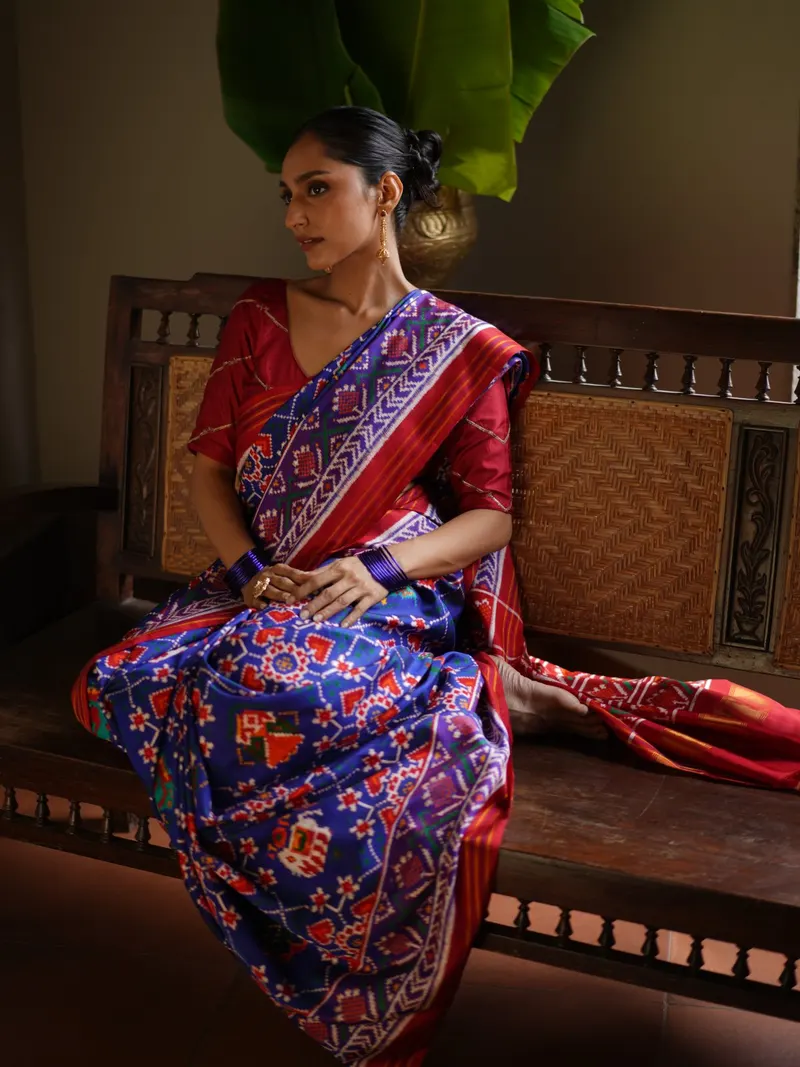
4. Patan Patola sarees — Gujarat
Patan Patola is famous for technically demanding double ikat, in which both warp and weft yarns are carefully resist-dyed before weaving so that patterns align in the final cloth. The resulting geometric and figurative designs are not simply printed onto a plain fabric. Patan Patola is a geographical indication, and authentic handwoven double-ikat pieces are different from inexpensive printed 'patola-style' products. It is important to distinguish the historical craft from the broader visual trend it has inspired.
If a retailer describes an item as patola, ask whether it is double ikat, single ikat, screen-printed or digitally printed. Each method has legitimate uses but different production costs and meanings. Look for clear documentation rather than judging authenticity solely from a product photo or price. The bold geometric arrangements make styling surprisingly straightforward: a plain blouse in one motif color and minimal accessories can preserve the visual rhythm. If buying an heirloom piece, ask about the maker, documentation and specialist care.
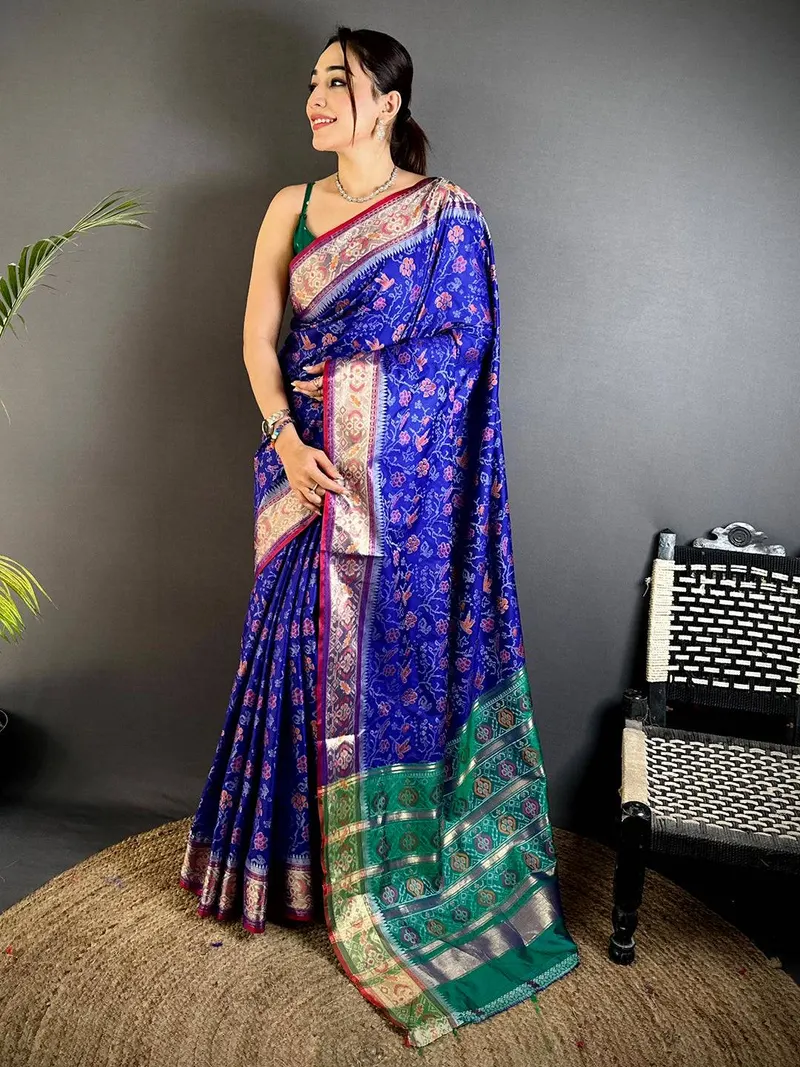
5. Pochampally Ikat sarees — Telangana
Pochampally is closely associated with yarn-resist ikat weaving and geometric patterning. In ikat, patterns are planned in the yarns before they are woven, which can create a characteristic softened edge where colors meet. It may look similar in a photograph to other regional ikat fabrics, but place, technique and design conventions matter. Cotton, silk and blends may all appear in contemporary markets, so fiber needs to be confirmed separately.
Pochampally sarees can be visually bold without heavy embroidery. For contemporary styling, use a simple high-neck, round-neck or sleeveless blouse in a coordinating shade, depending on the setting. Before purchase, inspect the reverse of the textile where possible and seek trustworthy seller information, not just a repeated 'handloom' label. For a daily-wear option, check thickness and ease of washing; for a more formal piece, look at the pallu design, finish and border continuity. Pattern complexity is not always a proxy for comfort.
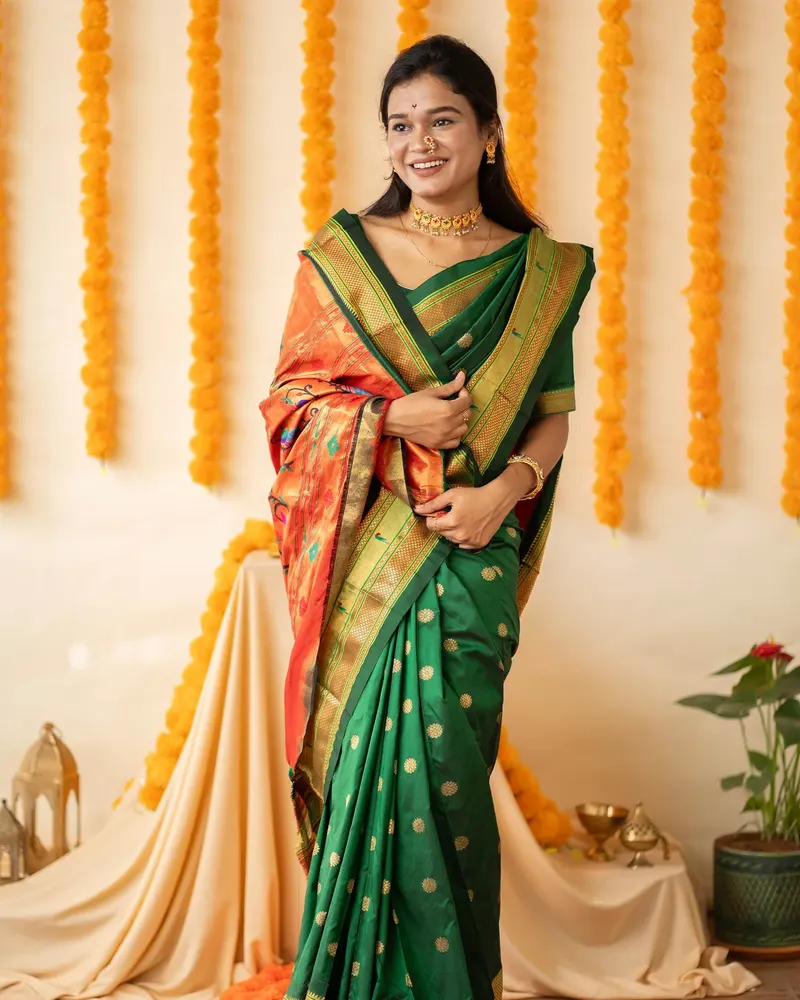
6. Paithani sarees — Maharashtra
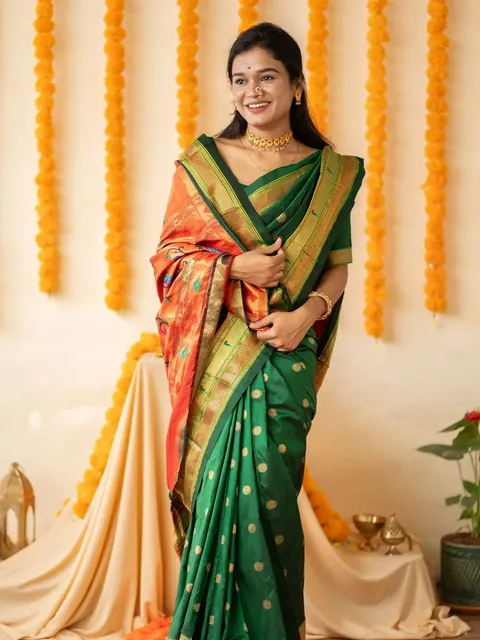
Paithani sarees are associated with Maharashtra and celebrated for ornate pallus, vibrant silk and decorative motifs, including stylized peacocks, flowers and geometric border work. The pallu often becomes the most important visual element, making how it is displayed central to the styling. Contemporary pieces vary in weave, materials and levels of detail, and a printed imitation does not carry the same weaving story as a documented handmade textile.
To show a decorative Paithani pallu, let it fall open rather than folding it into overly narrow pleats. A contrasting blouse can draw attention to the border, while a tonal blouse creates a more understated effect. If the saree is for a wedding, test whether the pallu stays comfortable over your shoulder and whether your jewelry catches the weave. Ask about silk content, supplementary woven ornament and origin. For storage, keep the piece away from direct sunlight and avoid sharp creases across elaborate ornament.
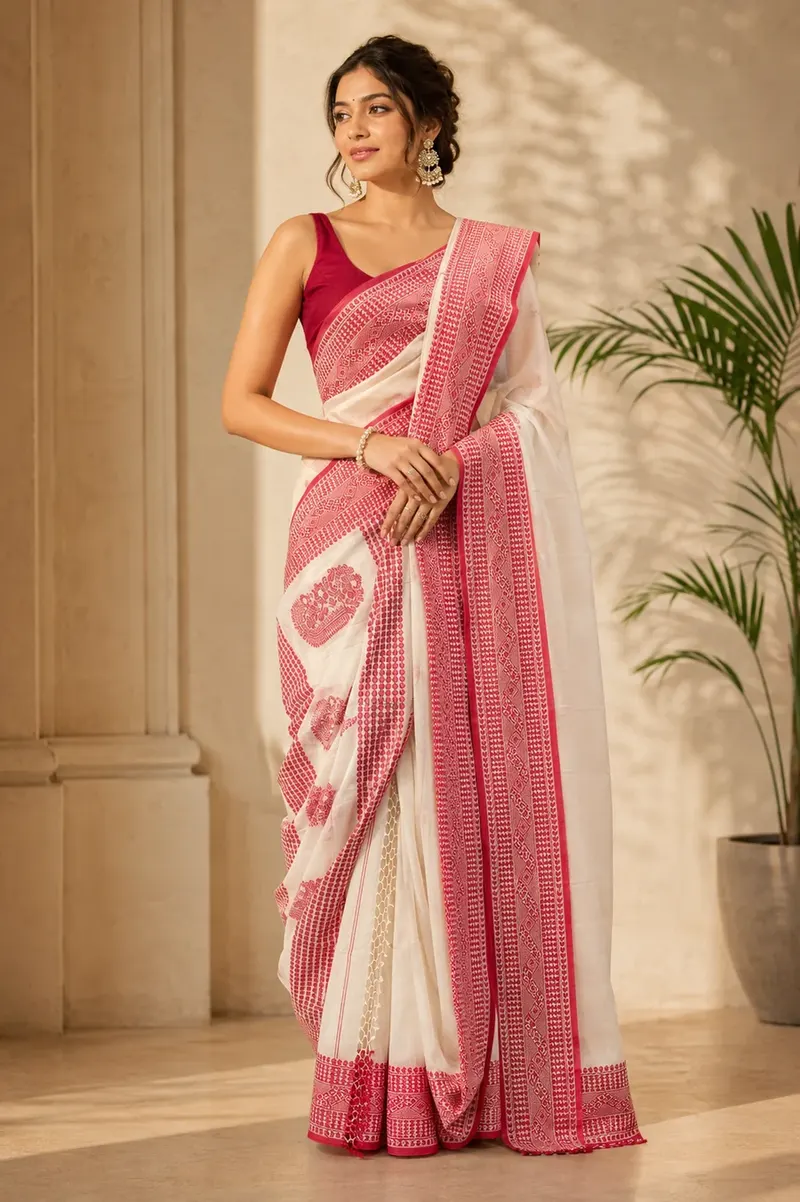
7. Baluchari sarees — West Bengal
Baluchari weaving is known for narrative and figurative motifs, often arranged in the pallu and border. Historical examples in museum collections feature scenes with people, architecture, animals or decorative panels. The best way to appreciate such a saree is to look closely at its storytelling rather than treating the fabric as a generic printed pattern. Modern Baluchari textiles are often silk, but sellers should still specify the actual composition.
A plain, well-fitted blouse allows elaborate scenes in the pallu to remain readable. When photographing or displaying the saree, spread the decorative end to show its woven details. Buyers should ask whether the storytelling motifs are woven or printed, whether the piece is locally made and what conditions it needs for cleaning. Because the main design may occupy a large area, choose accessories that do not conceal it. A Baluchari can be particularly interesting for readers who appreciate both textile craft and visual narrative.
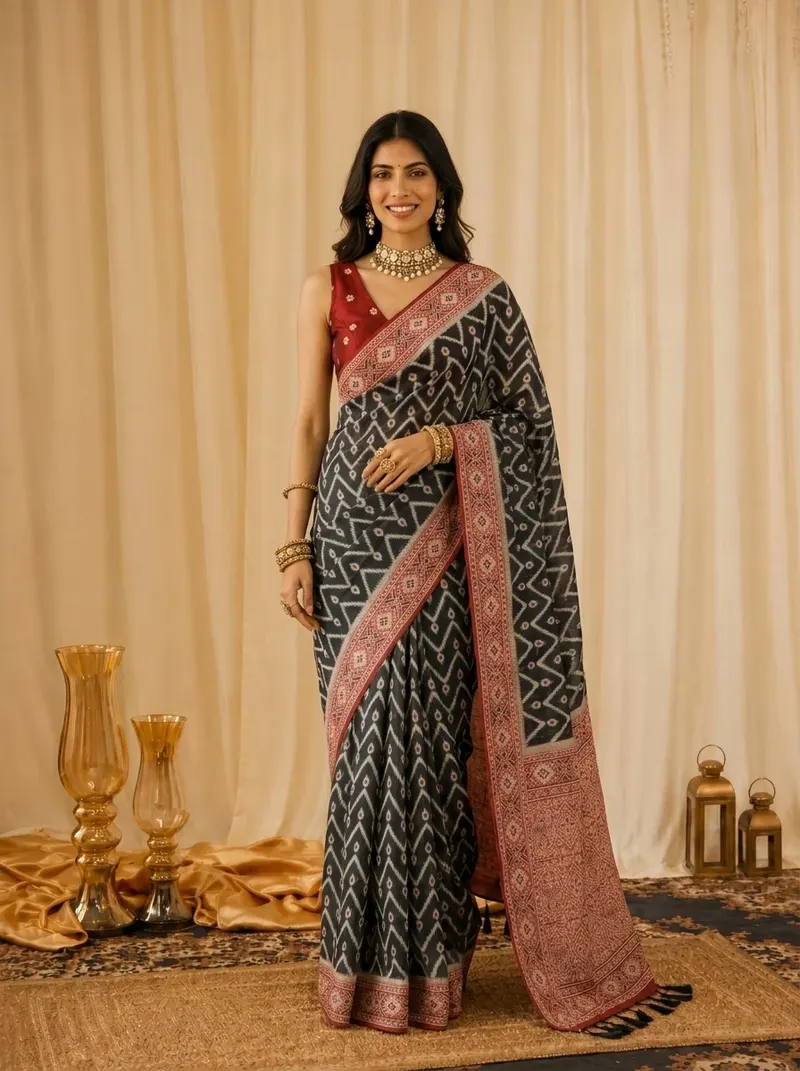
8. Jamdani sarees — Bengal and wider South Asian traditions
Jamdani is celebrated for fine woven cloth carrying distinctive supplementary motifs that appear to float against the ground. Jamdani traditions span places and communities across South Asia, including Bengal, and the name alone is not a full provenance statement. Examples may be cotton or blends, and pieces differ in density, motif placement and transparency. It is a technique where careful workmanship can be more compelling than thick fabric or obvious metallic ornament.
Wear delicate Jamdani with attention to underlayers, because the fine fabric can be transparent. A simple blouse and understated jewelry complement the intricacy of the weave. When buying, request a clear close-up that shows the motifs as part of the fabric structure. A crisp white or pastel Jamdani may suit a formal daytime event, while richer versions can be used for evening occasions. Handle fine cloth gently during pleating, washing and storage, and avoid pinning repeatedly through the same area.
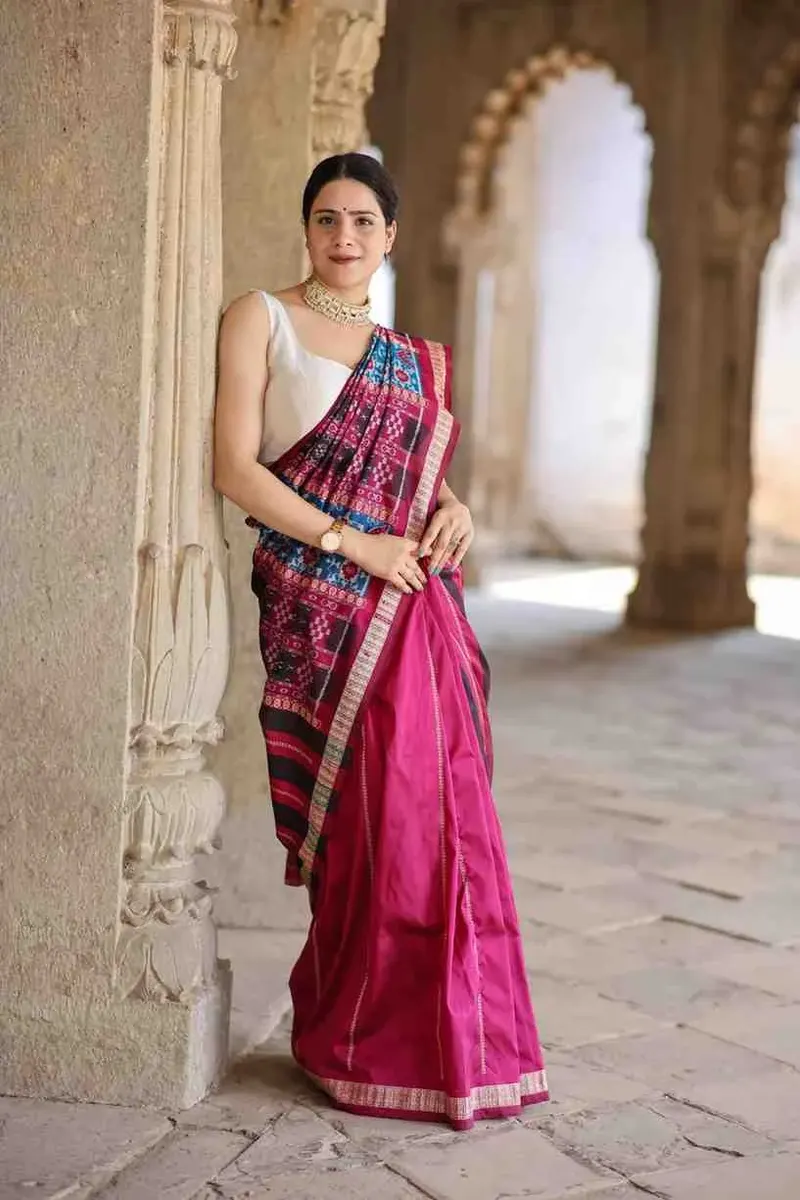
9. Sambalpuri sarees — Odisha
Sambalpuri sarees are part of Odisha's celebrated ikat textile traditions. The yarns are patterned through resist-dyeing processes before weaving, producing distinctive arrangements of geometric, floral and other stylized forms. Individual weaving centers and communities have their own vocabularies, so 'Sambalpuri' is not a substitute for asking where a garment was made. Cotton versions may be appropriate for regular wear, while richly woven silk pieces may feel more formal.
A Sambalpuri saree works well when its pattern is allowed to lead. Choose a solid blouse that picks up one color from the design, or combine it with neutral jewelry to keep the outfit balanced. Check for information about weave, fiber and origin rather than assuming that every ikat-looking design comes from the same production process. Different yarn weights change how the fabric pleats and breathes. Ask for a short fabric-handling video if buying online for the first time.
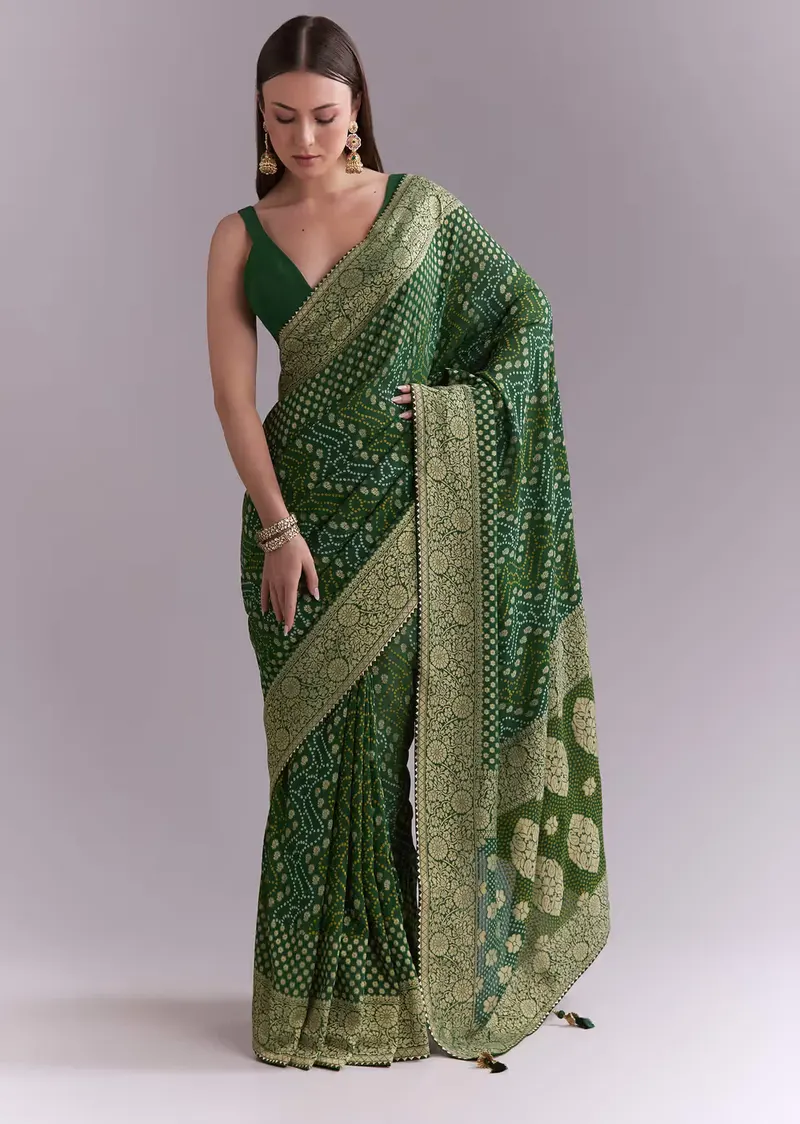
10. Bandhani sarees — Gujarat and Rajasthan
Bandhani describes resist-dyeing in which selected points of fabric are tied before dye is applied, leaving small patterned spots and clustered motifs. It is associated with western Indian textile traditions, notably Gujarat and Rajasthan, but takes many forms in materials and design. A genuine tie-dyed Bandhani saree is different in production method from a digital print that imitates the pattern. Both can be attractive, but knowing the distinction helps explain price.
Bandhani is well suited to festive looks because patterned surfaces can create energy without heavy ornament. Try a blouse in a dominant or secondary color from the pattern, then choose restrained gold or silver accessories. The fabric's dye stability matters: ask for care instructions and avoid soaking an uncertain new textile with other garments. If the seller claims hand-tied work, inquire about how it was made. Close-ups of the dots and reverse can help document details but do not by themselves provide absolute proof of authenticity.
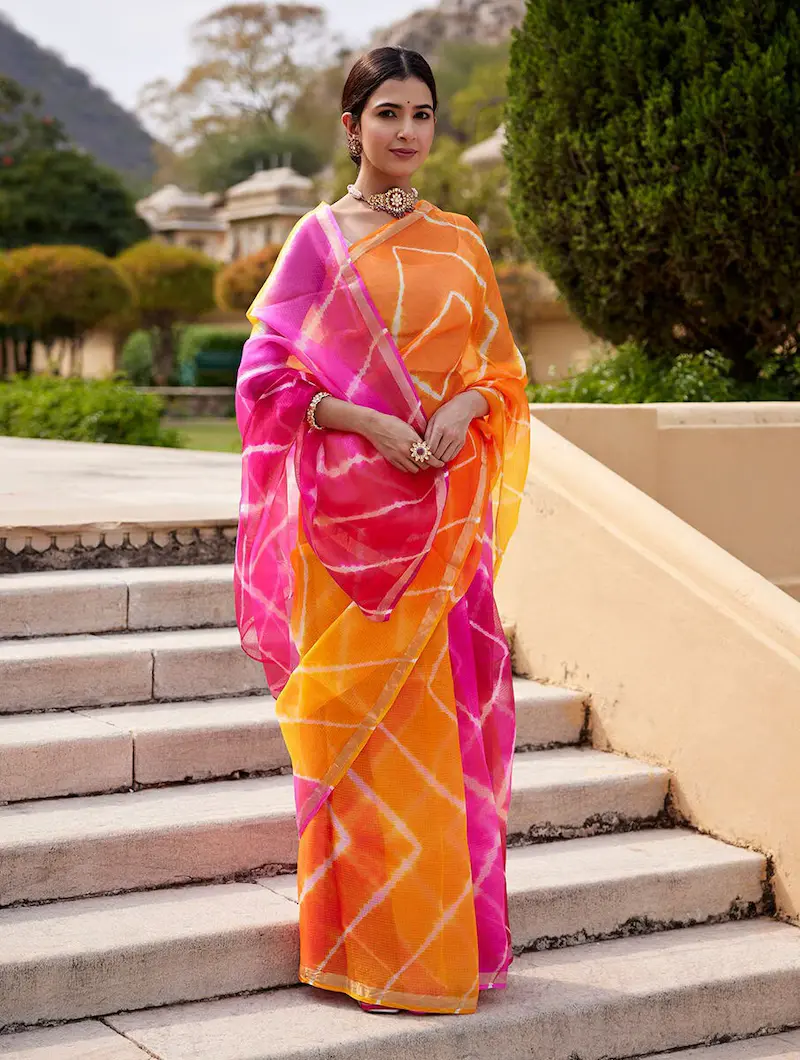
11. Leheriya sarees — Rajasthan
Leheriya is a resist-dyeing tradition associated with wave-like stripes and diagonals, especially in Rajasthan. The patterns derive from carefully folded and tied fabric during dyeing and can appear in delicate silk-like textiles or bolder everyday blends. It is particularly recognizable for rhythmic lines and playful color combinations. The exact result depends on dyes, folds, fabric and finishing rather than one fixed template.
A Leheriya saree can be styled with a plain blouse in a contrasting color or a closely related pastel, depending on the desired impact. Keep accessories simple when the textile already includes several vivid tones. Think about where the stripes travel once the saree is pleated and draped; the direction can change the visual impression. For weddings and summer festivities, ask about breathability and whether the fabric transfers dye when damp. Hand-dyed and printed versions may need different care.
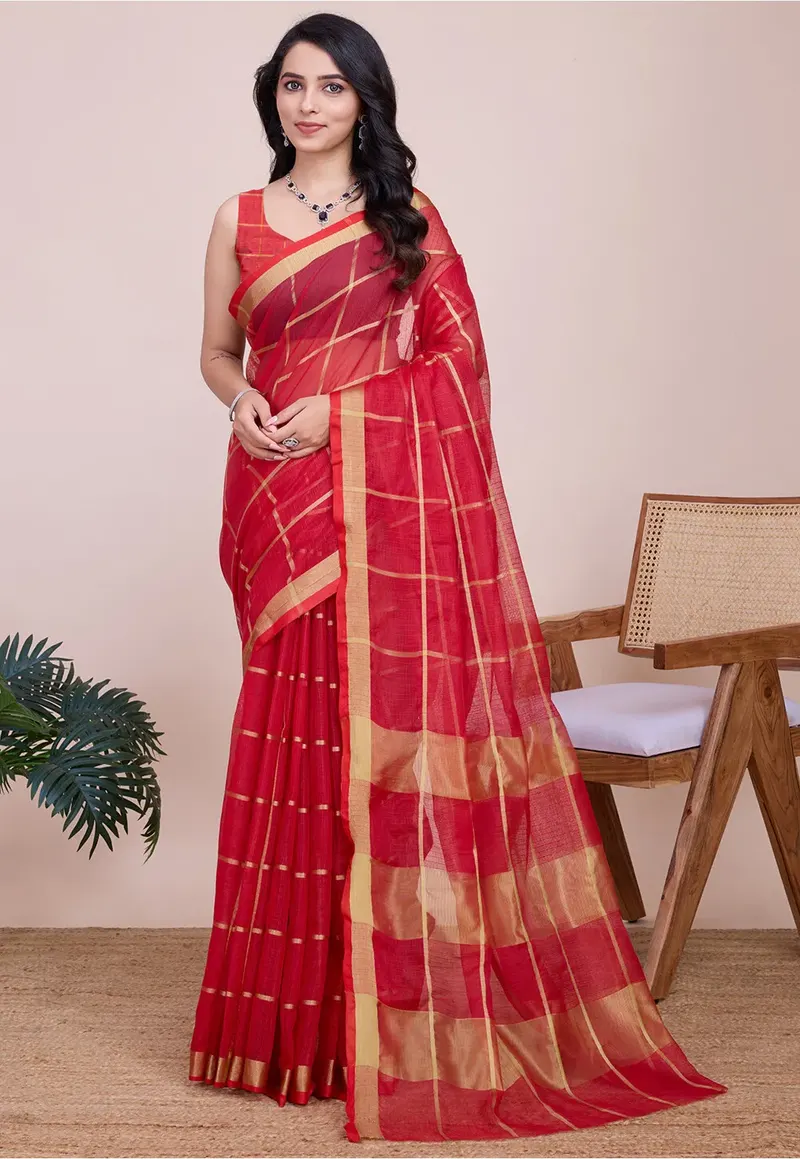
12. Kota Doria sarees — Rajasthan
Kota Doria is known for an airy woven structure with a characteristic small-check appearance, traditionally produced around Kota and nearby weaving centers. The fabric often uses fine yarns and can feel remarkably light. It suits warm climates, but transparency and delicacy deserve attention. Buyers should not assume that every check-patterned synthetic fabric is genuine Kota Doria, nor that every example is equally durable.
When wearing Kota Doria, choose an underskirt that coordinates with the body color and a blouse with comfortable support. Avoid heavy accessories that drag against delicate areas of the weave. This type of saree can look elegant with minimal jewelry and flat or low-heeled shoes. Ask for actual fiber composition and clear textile photographs before ordering. If traveling, pack it with minimal compression and allow time for gentle reshaping on arrival rather than pressing it aggressively.
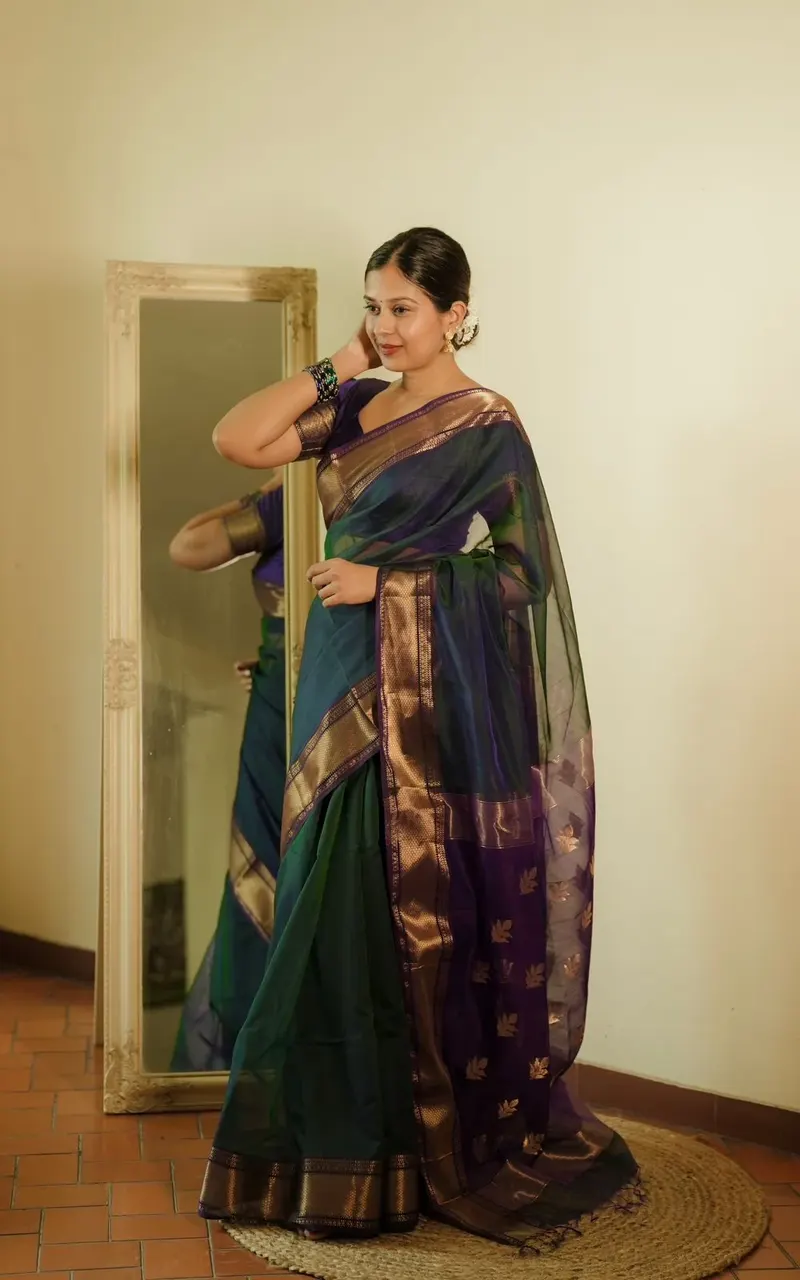
13. Maheshwari sarees — Madhya Pradesh
Maheshwari sarees are associated with Maheshwar and are often recognized for refined borders, stripes and checks combined with an understated sheen. Contemporary products may use silk, cotton or combinations, so the fabric label matters. Many examples present a versatile balance between formal appearance and day-to-day practicality, making them an appealing option for readers who prefer neat, structured drapes without excessive ornament.
A Maheshwari saree can transition from workplace events to intimate celebrations with a simple change of blouse and jewelry. For daytime, choose a tailored blouse, compact earrings and practical footwear; for evening, highlight a contrasting border with one stronger accessory. Look at the reverse and border construction as part of a broader provenance check. Do not assume that every geometric weave is Maheshwari. Ask the seller about the weaving area and production method when those details matter to your purchase.
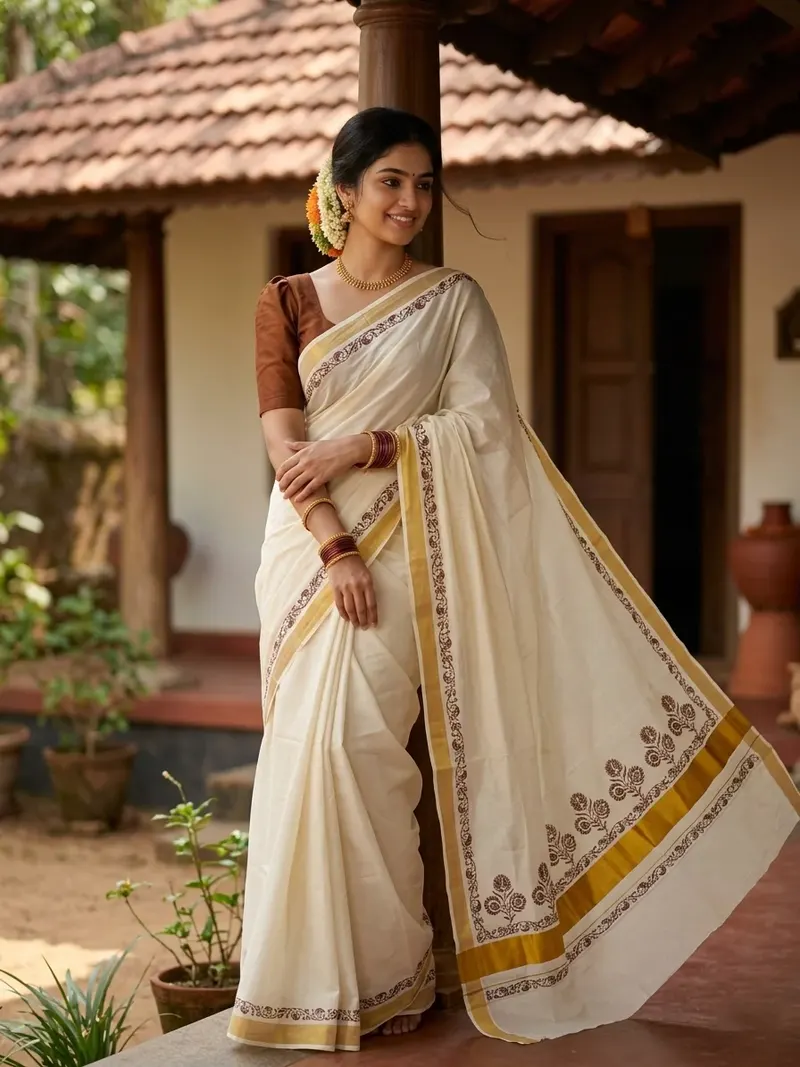
14. Kasavu-style sarees — Kerala
Kasavu-style sarees are often associated with an ivory or off-white base and a gold-toned border, making them recognizable in many Kerala celebrations. The term relates to decorative gold-colored thread or border work in a broader textile context, and contemporary garments differ in actual composition. The restrained palette is an example of how a saree can look celebratory without vivid all-over color or dense pattern.
A cream saree with a gold border offers many blouse possibilities: matching ivory for a quiet look, emerald or deep red for contrast, or a minimal contemporary blouse for an international setting. Check transparency, fabric feel and border construction. Color should not be the only criterion when buying; an otherwise beautiful garment can be uncomfortable in hot conditions if the underlying fiber is unsuitable. Treat regional festivities with respect, while remembering that dress practices differ among families and communities.
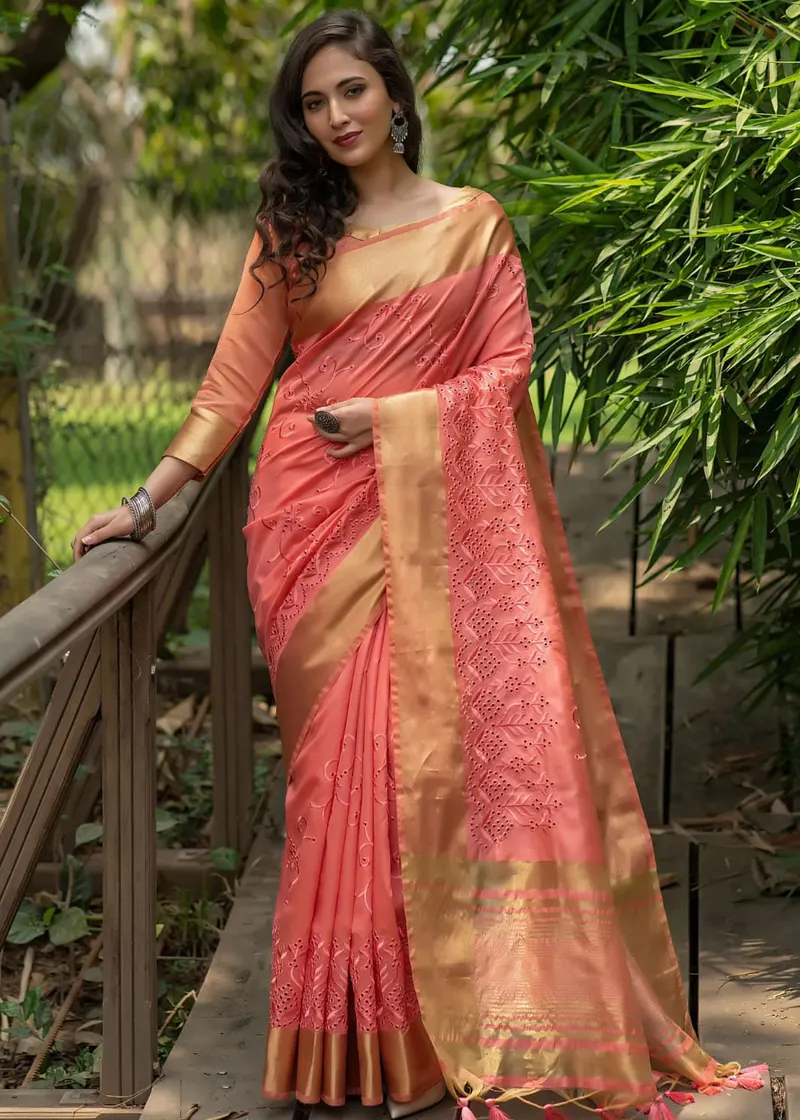
15. Assam silk sarees — Assam
Assam is associated with distinctive silk traditions, including muga silk's naturally warm golden appearance and other regional silk types. Not every Assam textile is a saree, and many local garments follow different forms such as the mekhela chador, so descriptions should be precise. Sarees marketed using Assam silk may vary in construction, fiber mixtures and provenance. The value of the fabric lies in its textile qualities as well as the expertise of local producers.
If buying an Assam silk saree, ask whether the product is made from muga, eri or mulberry silk, and request care instructions tailored to that actual fiber. The color can pair beautifully with jewel-toned blouses and restrained gold jewelry, but a contemporary minimal look is also possible. Be skeptical of vague claims that one type of natural silk is universally superior. The right choice depends on comfort, drape, maker information, budget and how often you will wear the piece.
Which saree is best for weddings?
Wedding dress often carries a family’s regional and cultural expectations. A Banarasi brocade or Kanjivaram silk may suit a highly ceremonial occasion, while Paithani, Patola or an heirloom piece can carry specific meaning. For a wedding guest, a light Chanderi, an elegant Maheshwari or another carefully chosen textile may be easier for a long day. Consider dress codes, climate, sitting and walking, and how much fabric weight you can comfortably manage. Confirm with your hosts if a particular community has color conventions. There is no universally correct bridal saree for all Indian weddings.
Which types are easiest for beginners?
Look for a comfortable fabric that grips sufficiently to hold pleats, does not weigh down the waist and provides enough opacity for confidence. Certain cotton and silk-blend sarees are approachable, although very stiff cotton can be challenging for a first try. Chanderi and georgette can look graceful but may require care when pinning. Practice with footwear and a secure underskirt rather than relying on a visual tutorial alone. A beautifully made saree that you cannot move in comfortably is not the best beginner purchase.
How to identify genuine weaving and material claims
Ask for fiber composition, production location, weaving method and a product invoice. Look for relevant authentication programs, including applicable Handloom Mark or India Handloom Brand information, rather than relying on a retailer's vague phrase '100% original'. GI registrations apply to defined products, and a seller should be able to explain an origin claim. Price, irregularities and a photograph of the reverse are clues only; none provides independent proof. For a substantial purchase, a craft-specialist retailer or cooperative with documented provenance can be worth considering.
Buying sarees online from outside India
Check measurements in both meters and yards, the included blouse-piece length, customs or import charges, return terms and whether the product photograph accurately shows the textile in ordinary lighting. If a saree arrives with a heavily scented finish or unclear cleaning instructions, pause before washing and ask the seller. Build extra time into international wedding orders for tailoring. A separate local tailor who understands saree blouses can make more difference to the finished outfit than purchasing another accessory.
How to style saree designs without over-accessorizing
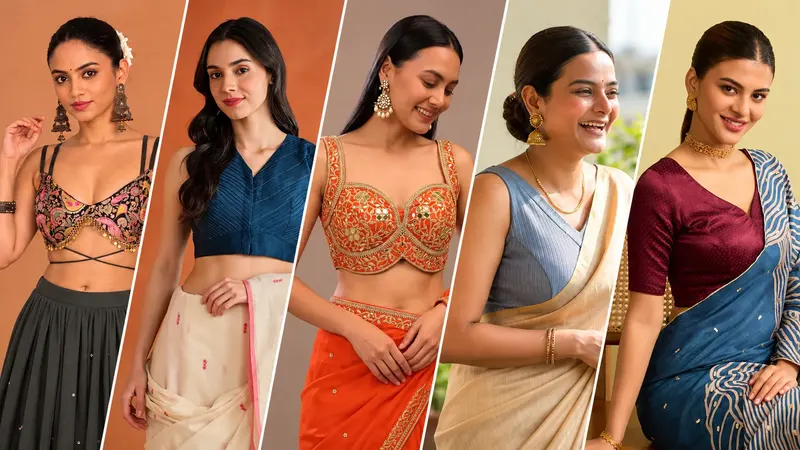
Start with one visual focal point: a patterned pallu, a bold border, an ornate blouse or striking jewelry. If the saree is densely ornamented, let the blouse be simpler; if the textile is plain, use a contrasting neckline or interesting earrings. Shoes alter drape length and should be chosen before the final pleating. Be aware that scarves, backpacks and shoulder bags may pull against delicate decorative work. Stylish does not need to mean uncomfortable. When choosing between two looks, test movement and natural light.
Care and long-term storage
Not every silk or cotton garment can be washed in the same way. Follow the label and, for older or delicate textiles, seek advice from a qualified specialist. Air the fabric in shade after use, avoid direct sunlight for storage, keep folds from developing into sharp creases and inspect for moisture or pests. Heavy embellished pieces should not be crushed beneath other garments. Photographs and a note about the maker can preserve provenance alongside the textile itself. The best storage method depends on fiber, age, decoration and local humidity.
Understanding regional terminology respectfully
Craft names represent actual communities, places and techniques. Using them casually for unrelated printed fabrics can make it harder for buyers to distinguish machine-printed fashion from textile workmanship. At the same time, affordable reproductions can be valid products if described honestly. Ask what the label means rather than assuming every modern interpretation is fraudulent. Textile traditions change as designers and weavers experiment; accurate terminology helps recognize that creativity without erasing the origins that made a style famous.
Choosing the right fabric for your climate
A cool studio photograph does not tell you how a saree feels in humid weather. Breathable cotton and some light blends can suit warm daytime occasions; dense silk brocades and substantial lining may feel warm over several hours. Air-conditioned venues allow different combinations, but moving outdoors remains a consideration. Check the lining and blouse material too. A relaxed saree wardrobe can include one everyday piece, one festive garment and one special heirloom instead of many rarely worn heavy designs.
What the perfect saree collection looks like
A sensible collection is not fifteen purchases merely because this guide identifies fifteen styles. Choose a versatile everyday saree in a fabric you enjoy, one celebratory piece that works with more than one blouse, and perhaps a meaningful regional weave when budget allows. Build around actual occasions and personal taste. Repeating a beloved garment with different jewelry and drape arrangements is not a fashion mistake; it is often what makes a textile part of your life rather than a brief trend.
The enduring place of sarees in modern fashion
From local handloom workshops to contemporary city wardrobes, sarees bring together making and wearing. A single fabric length invites the wearer to make decisions about pleats, border, pallu, blouse and movement. That flexibility is why traditional and experimental styling coexist. The most meaningful way to appreciate this range is to look beyond a quick shopping photo: discover who made a fabric, how it was produced, and what it feels like when worn. Regional weaving is both cultural heritage and living, evolving skill.
Frequently asked questions
- How many types of Indian sarees are there?
- There is no single definitive number because types can be grouped by geography, weave, dye technique, fiber and draping tradition. This guide highlights fifteen notable families, not an exhaustive classification.
- Which saree is more traditional: Banarasi or Kanjivaram?
- Both belong to established but different weaving traditions. Banarasi is associated with Varanasi, while Kanjivaram is associated with Kanchipuram; neither is more universally traditional.
- What is the difference between printed and woven designs?
- Printed patterns are applied to a finished textile, while woven designs are formed through threads during weaving. Both can be attractive, but construction affects craft, price, appearance and provenance.
- Is Patola always double ikat?
- Historically celebrated Patan Patola is known for double ikat, but modern 'patola-style' labels are sometimes used for single-ikat or printed products. Check specific descriptions.
- Can I wear a saree without jewelry?
- Yes. A well-cut blouse, careful draping and an expressive textile can make a complete outfit without elaborate accessories.
- Which saree is easiest to maintain?
- Care depends on fiber, dye and ornament. An everyday cotton that permits gentle washing may be simpler than a delicate silk brocade, but follow the individual garment's instructions.
Continue reading: Explore our complete guide to Indian sarees, draping, styling and care.