In this article
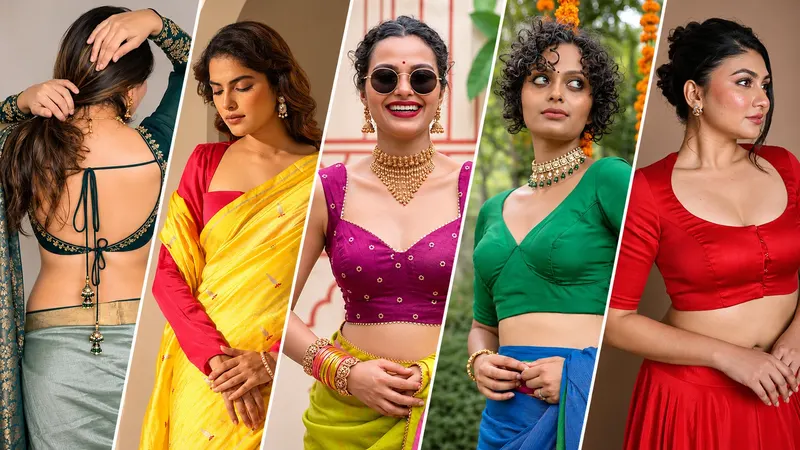
Simple blouse designs make daily saree outfits easier to repeat when the fit, opening and sleeves suit your routine. A clean neckline or small piping detail can give a blouse character without making it difficult to maintain or coordinate.
These fifteen options focus on practical shapes and restrained finishes rather than heavy occasion embroidery. Choose the coverage and fastening you find comfortable, then test the blouse with the sarees you wear most often before adding more decorative detail.
Simple Blouse Designs for Daily Wear Sarees
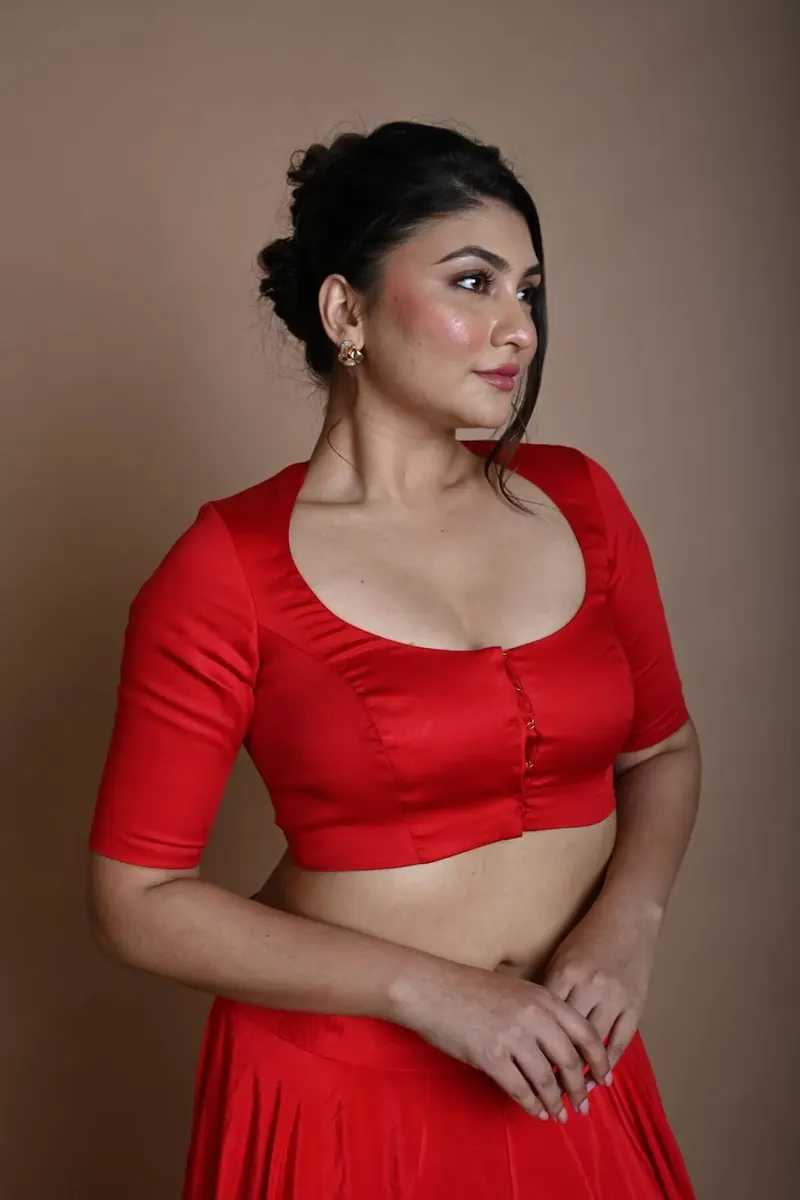
1. Plain Round-Neck Blouse
A smooth curved neckline and simple body create an uncomplicated upper garment that works with many different saree patterns. The resulting outline keeps the main feature visible without filling every part of the outfit with decoration.
Choose a comfortable depth and keep the binding neat, especially where the pallu rests against the upper edge. Try the complete outfit while seated and walking, since a good standing fit does not guarantee comfortable movement.
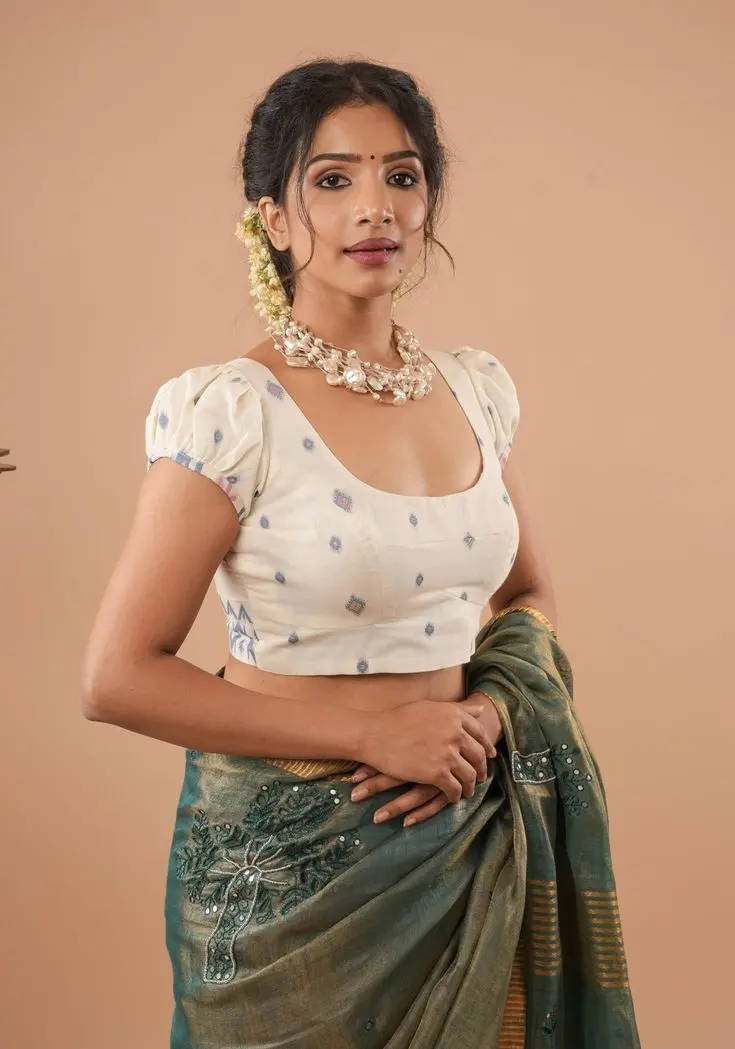
2. Short-Sleeve Cotton Blouse
A familiar short sleeve and plain cotton surface keep the silhouette compact, with minimal decoration around the arm or neckline. Its overall effect depends on fabric weight and how the surrounding plain areas balance the more detailed sections.
Check upper-arm room before choosing the size and pair with printed sarees when you want an easy repeated combination. Check the final combination in daylight before deciding whether it needs another colour or a stronger accessory detail.
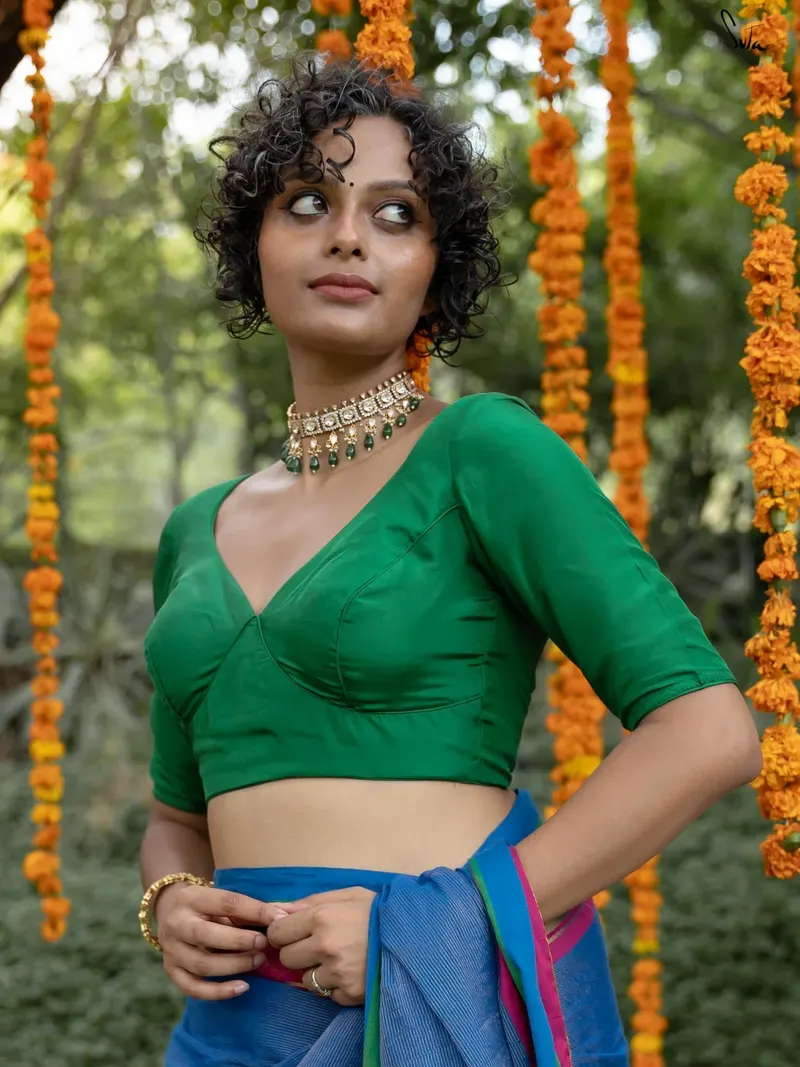
3. Elbow-Sleeve Blouse
A longer fitted sleeve adds coverage without extending to the wrist, keeping the body and neckline relatively simple. The placement creates a clear point of interest while leaving enough open fabric for the shape to show.
Leave enough room to bend comfortably and avoid a tight sleeve opening that becomes restrictive during routine tasks. Use the intended inner layers during a fitting so the visible shape reflects how you will actually wear it.
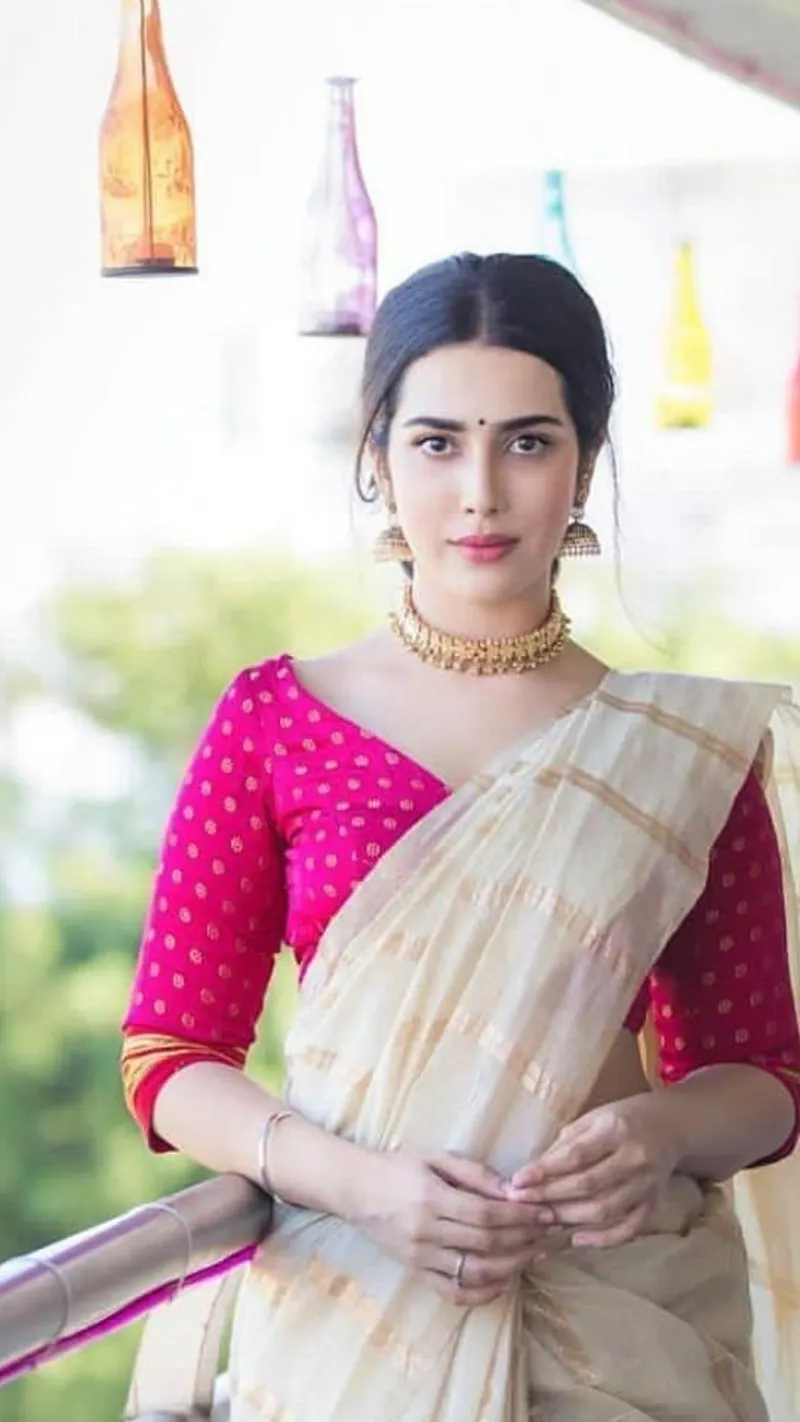
4. Three-Quarter Sleeve Blouse
A straight sleeve ends between elbow and wrist, creating a more covered outline without a full cuff near the hand. Viewed from the side, the construction should still look deliberate rather than relying only on a front-facing pose.
Choose a manageable fabric weight and check the blouse while typing or resting your arms on a table. Choose a finish you can maintain, and follow the particular garment's care instructions rather than a general fabric rule.
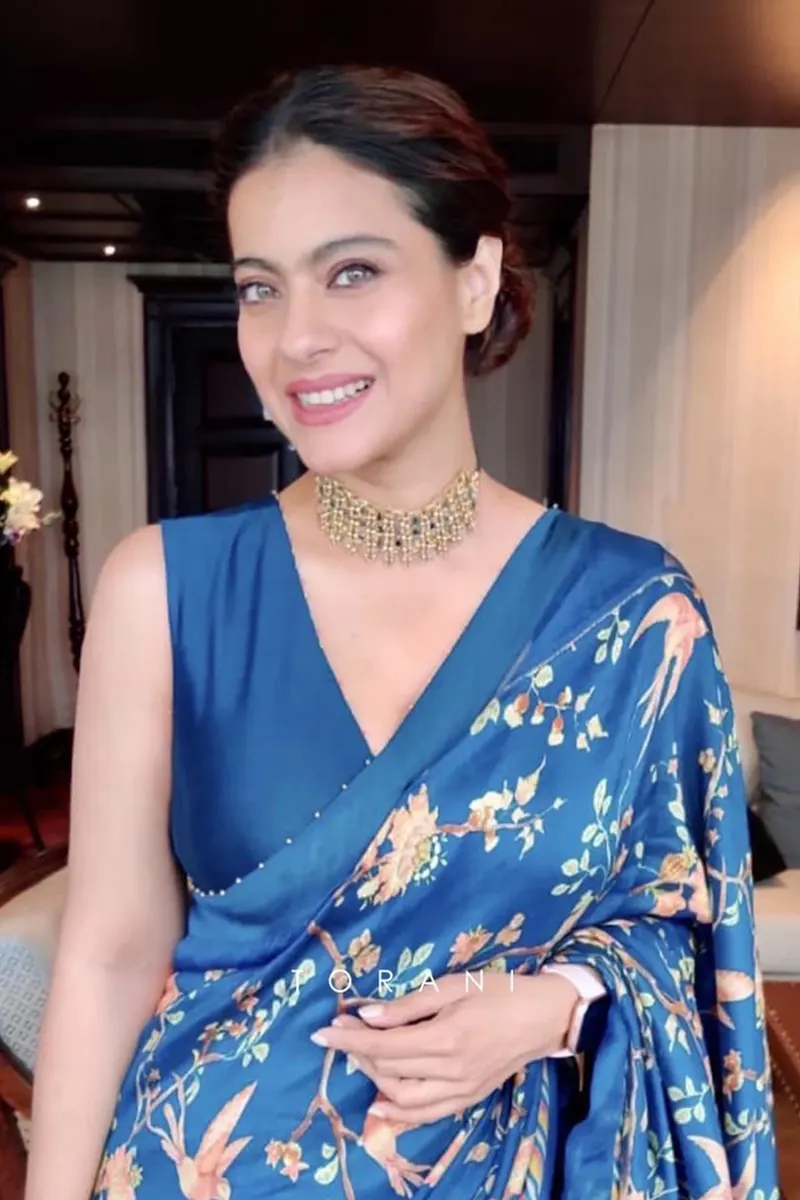
5. Modest V-Neck Blouse
A small central point gives the neckline direction while keeping the opening less deep than a more dramatic V. A quieter companion piece allows the surface detail to remain noticeable without competing patterns around the same area.
Keep the edge clean and choose a necklace only after checking where it rests against the finished point. A side-view photograph can reveal bunching or uneven lengths that are easy to miss when facing a mirror directly.
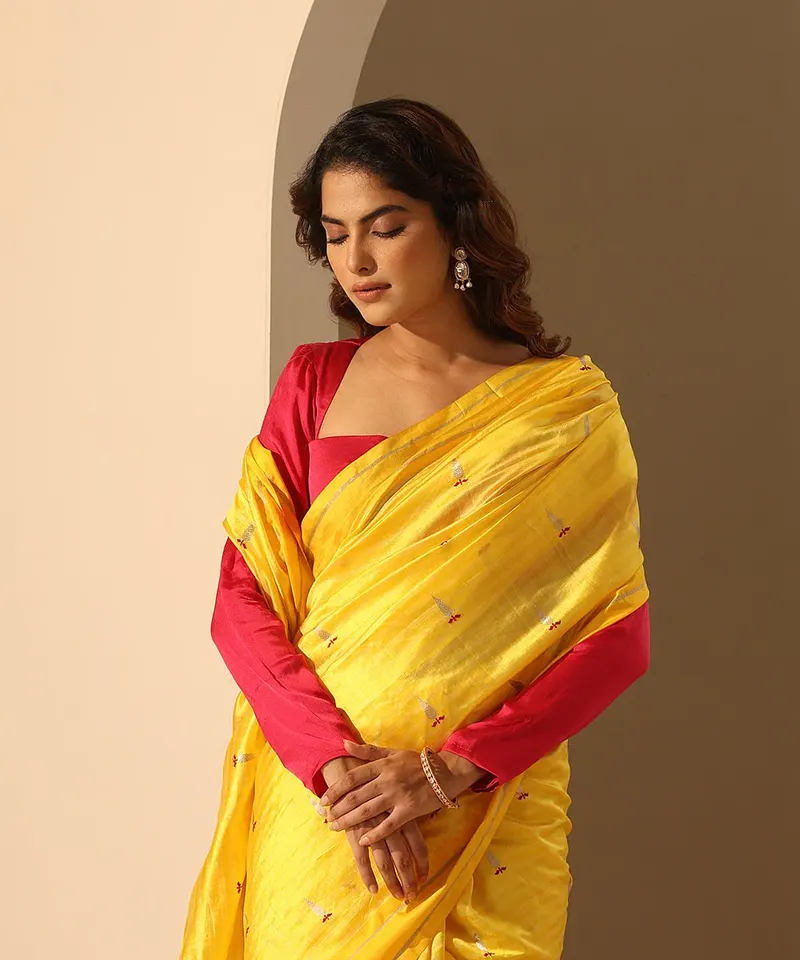
6. Shallow Square-Neck Blouse
A relatively high horizontal edge and clear corners create a structured opening without requiring extensive exposure or decorative borders. The fabric needs enough freedom to fall naturally instead of bunching around the most prominent part of the design.
Ask for neat internal facing and test shoulder movement so the corners do not pull outward in wear. Inspect the inside seams and lining too, especially where decorative stitching may rub against your skin during longer events.
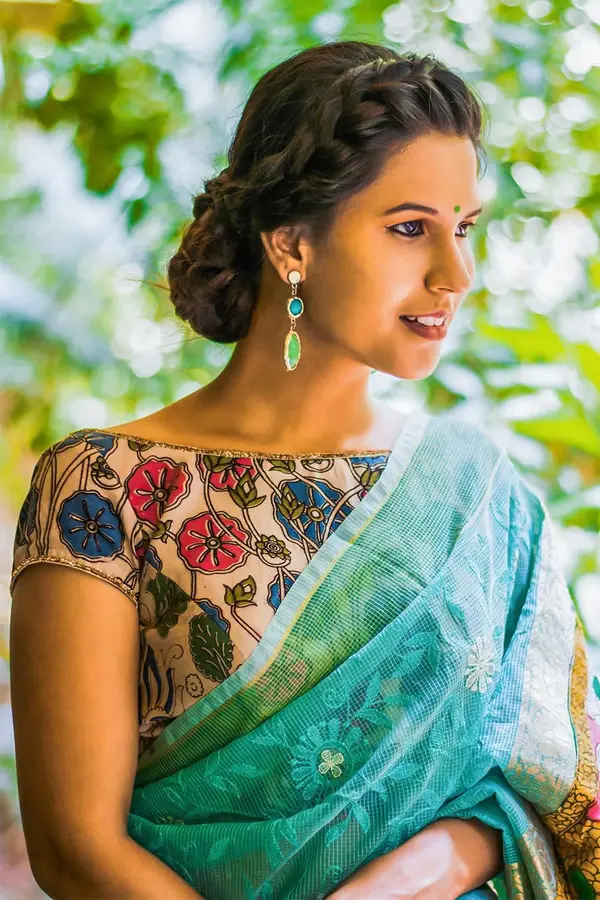
7. Narrow Boat-Neck Blouse
A restrained version of the broad shallow opening follows the shoulder line without extending excessively toward the outer shoulders. Small changes in scale can make this treatment feel restrained or much more decorative on the finished garment.
Try the pallu during the fitting and choose a width that stays secure rather than slipping under its weight. Allow time for adjustments before the occasion, rather than assuming the first fitting will settle every proportion perfectly.
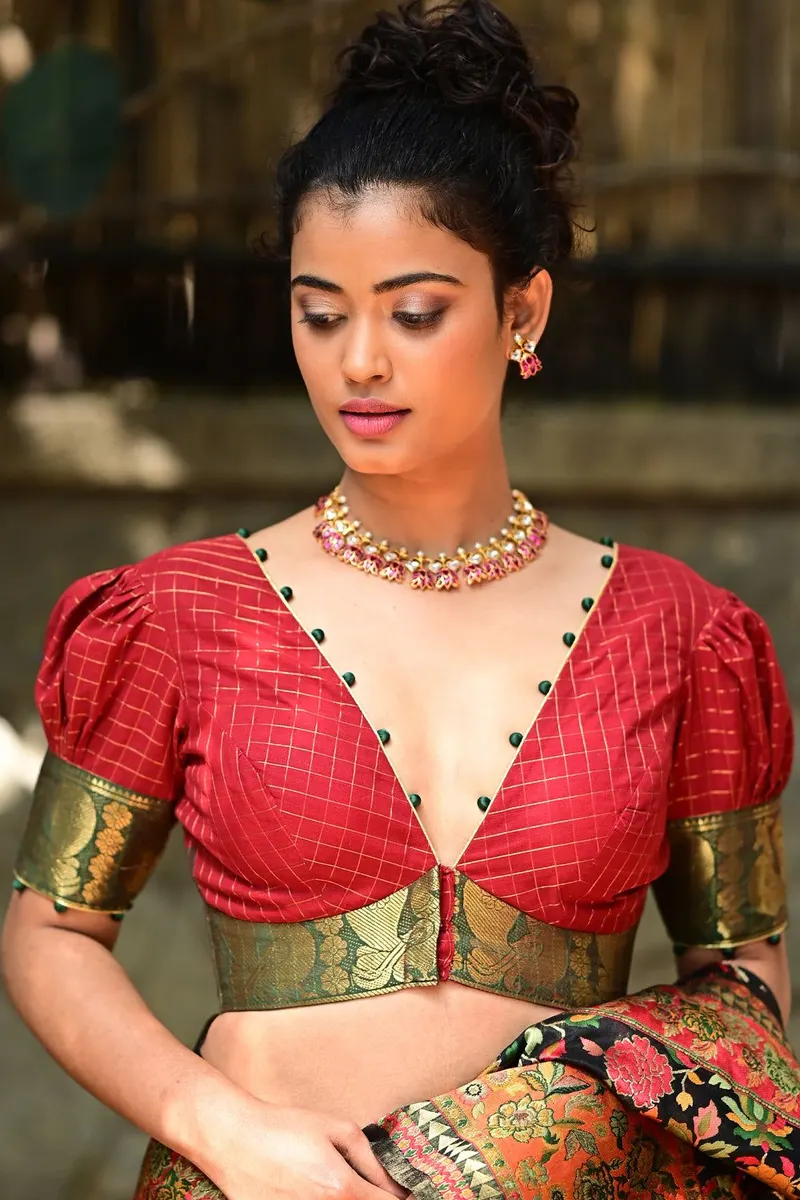
8. Front-Opening Blouse
A practical front closure makes the fastening accessible, with the outer design remaining simple around the neckline and sleeves. The visible texture provides interest even when the colour palette stays relatively limited across the complete outfit.
Check hook spacing and overlap while seated so the opening remains tidy without pulling apart across the chest. Keep any bag straps clear of raised decoration so repeated contact does not catch or disturb the surface detail.
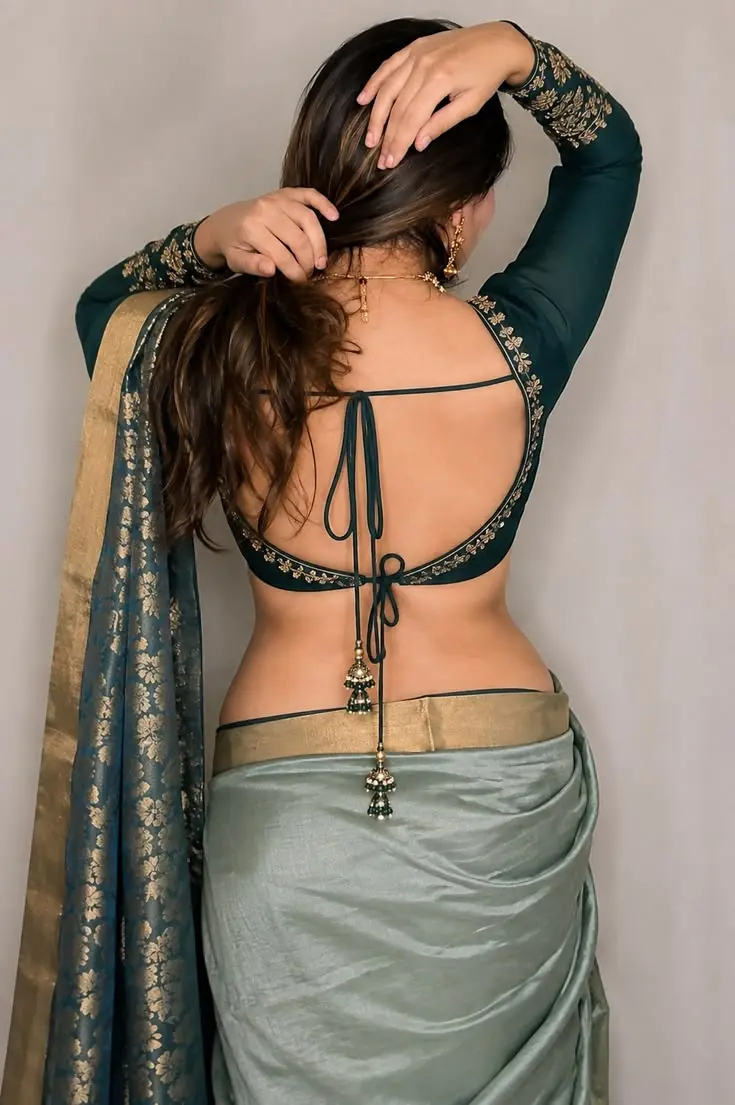
9. Back-Opening Blouse
A rear fastening leaves the front surface uninterrupted, allowing a plain neckline and simple darts to define the upper garment. The resulting outline keeps the main feature visible without filling every part of the outfit with decoration.
Choose closures you can manage comfortably and check the lower band with the blouse fully fastened. Try the complete outfit while seated and walking, since a good standing fit does not guarantee comfortable movement.
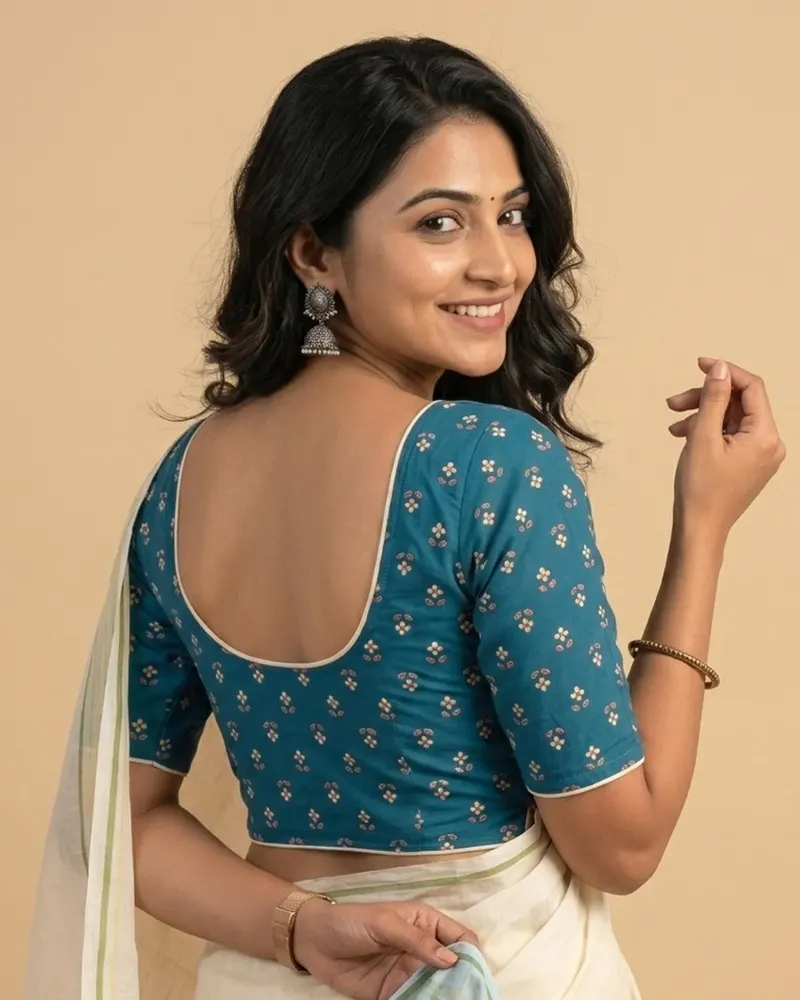
10. Blouse with Contrast Piping
A thin contrasting strip outlines the neck or sleeves, adding a small colour detail to an otherwise plain blouse. Its overall effect depends on fabric weight and how the surrounding plain areas balance the more detailed sections.
Use the accent from a frequently worn saree and avoid adding several additional trims around the same edge. Check the final combination in daylight before deciding whether it needs another colour or a stronger accessory detail.
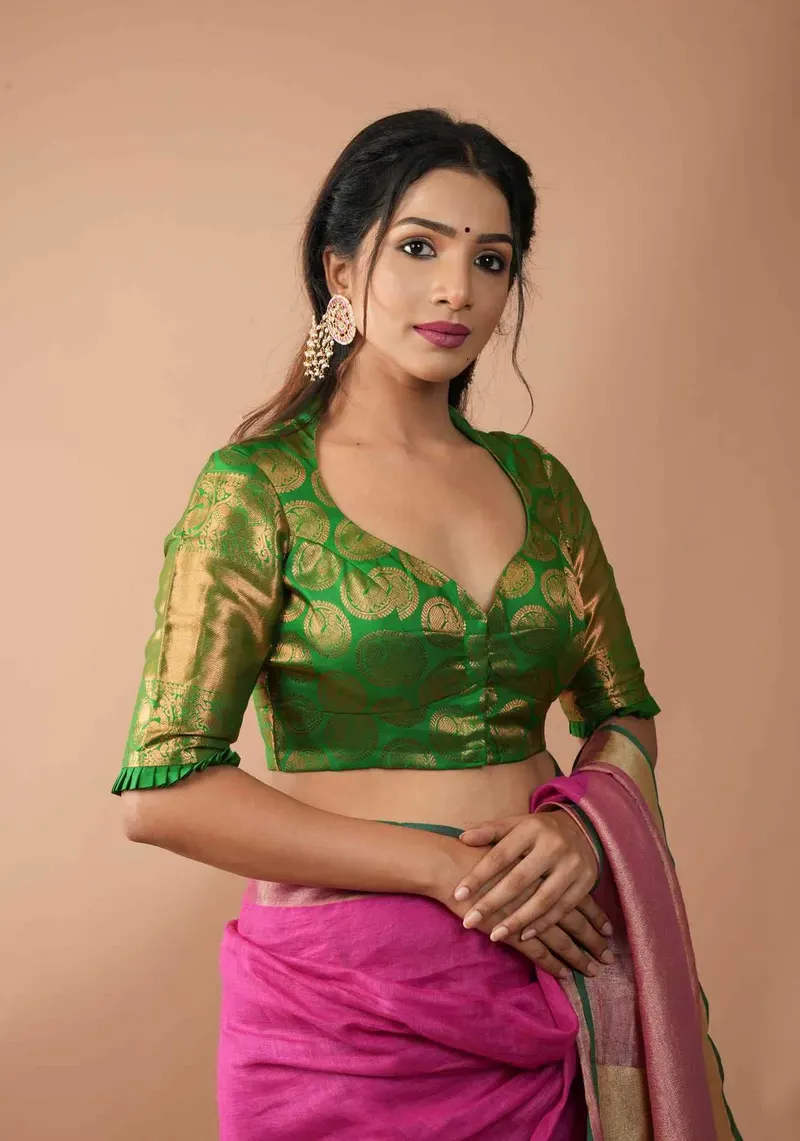
11. Blouse with Small Button Detail
A short decorative button row gives a plain front or sleeve a visible focal point without changing the basic cut. The placement creates a clear point of interest while leaving enough open fabric for the shape to show.
Confirm whether the buttons function and choose smooth pieces that do not catch the pallu during normal movement. Use the intended inner layers during a fitting so the visible shape reflects how you will actually wear it.
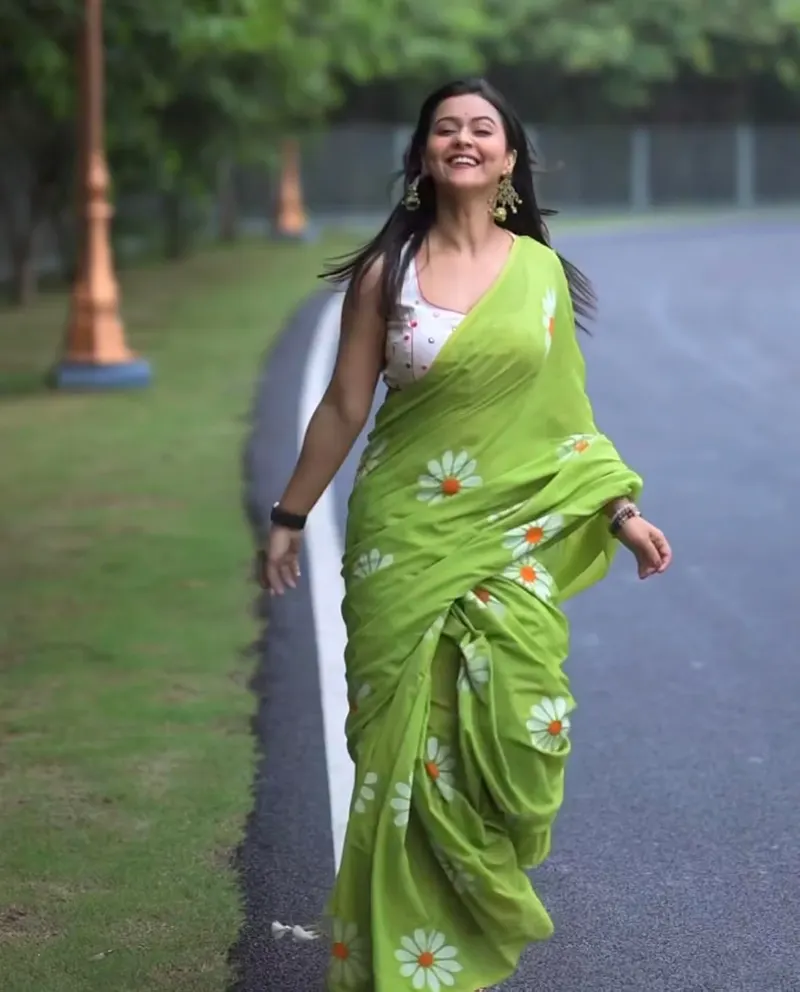
12. Simple Printed Blouse
A restrained print provides the decoration on a plain blouse shape, making extra embroidery or heavy neckline trim unnecessary. Viewed from the side, the construction should still look deliberate rather than relying only on a front-facing pose.
Pair with a quieter saree and choose a print scale that remains clear across the blouse's smaller fabric panels. Choose a finish you can maintain, and follow the particular garment's care instructions rather than a general fabric rule.
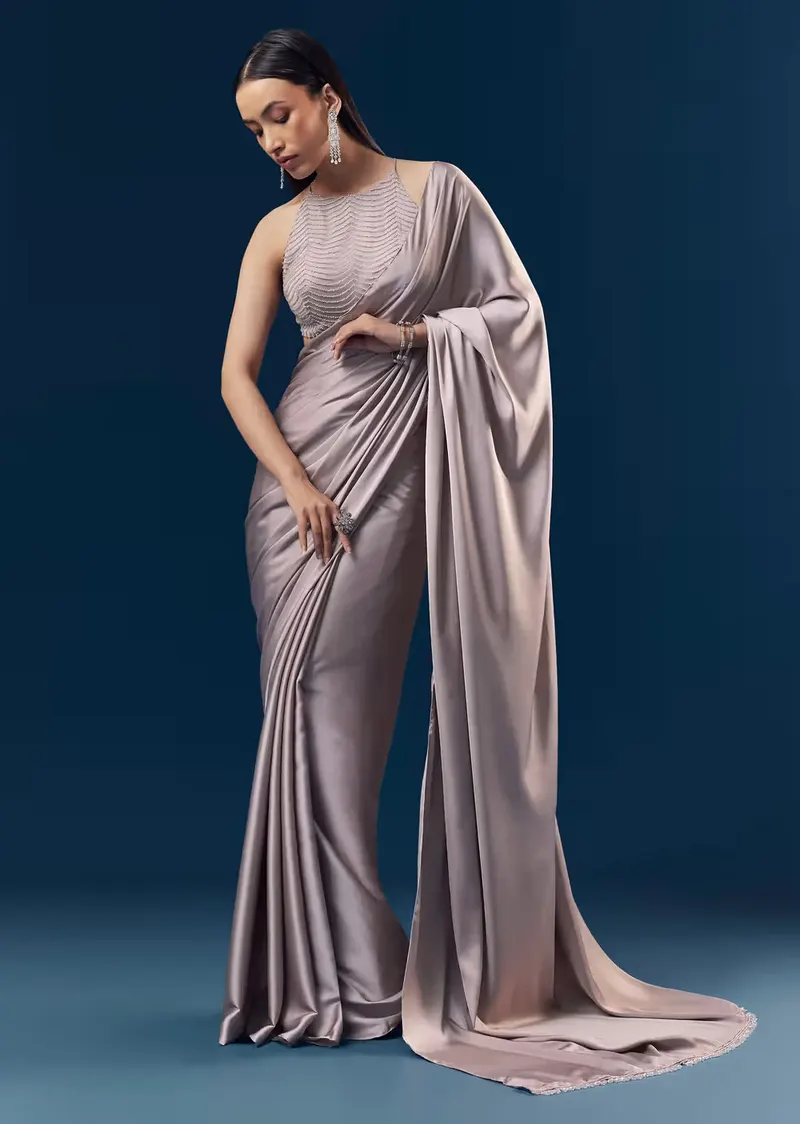
13. Textured Plain Blouse
A subtle woven texture adds interest without a separate printed motif, keeping the garment relatively easy to combine with different sarees. A quieter companion piece allows the surface detail to remain noticeable without competing patterns around the same area.
Inspect the inner surface for comfort and use the texture as the main detail rather than adding unrelated decorative trims. A side-view photograph can reveal bunching or uneven lengths that are easy to miss when facing a mirror directly.
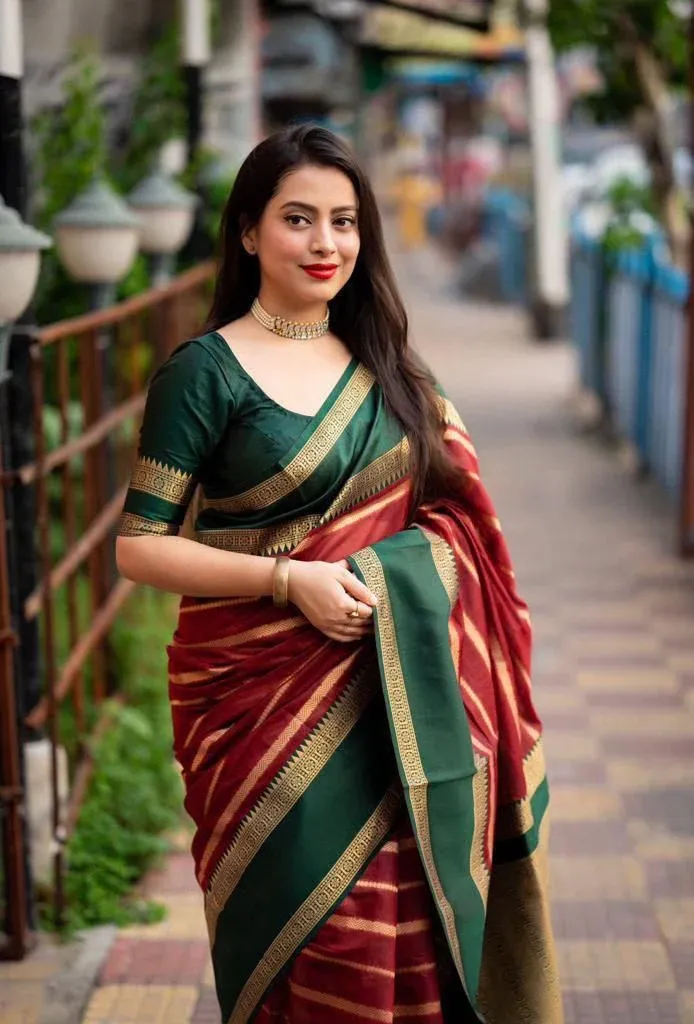
14. Blouse with Narrow Sleeve Border
A slim strip finishes the sleeve edge, creating a small coordinated accent while leaving the body and neckline quiet. The fabric needs enough freedom to fall naturally instead of bunching around the most prominent part of the design.
Choose a flexible border and finalise the sleeve length before attaching it so the position does not need rebuilding. Inspect the inside seams and lining too, especially where decorative stitching may rub against your skin during longer events.
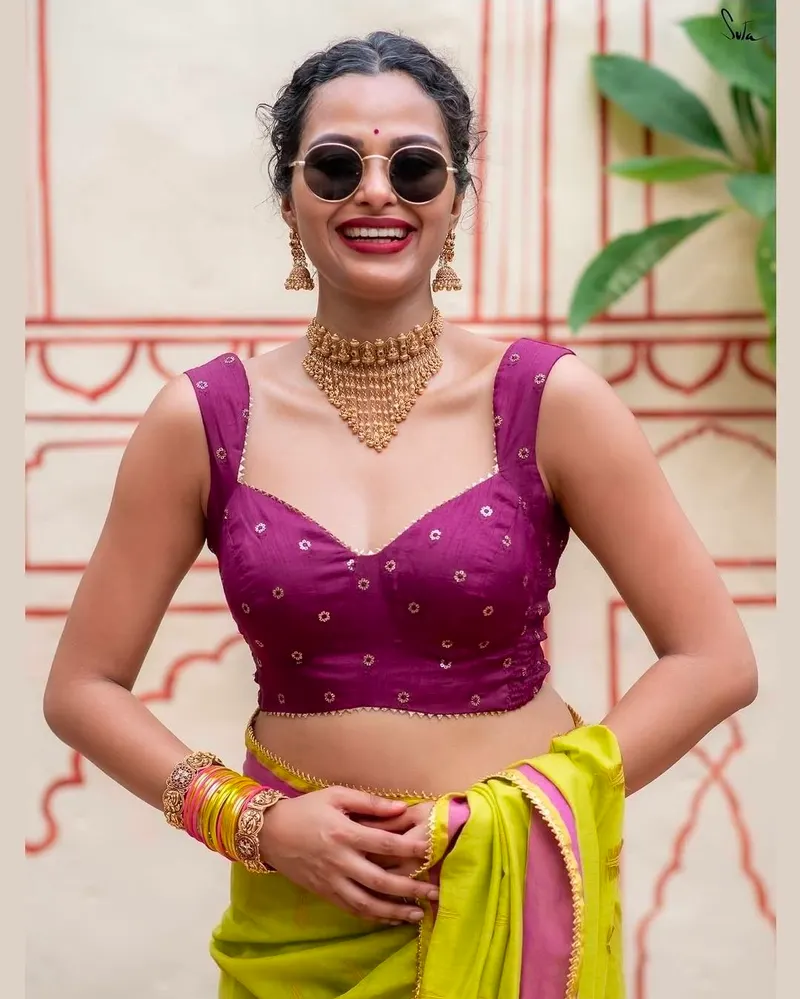
15. Sleeveless Everyday Blouse
Clean sleeveless armholes and a simple neckline create a compact garment, with fit and innerwear coverage becoming especially important. Small changes in scale can make this treatment feel restrained or much more decorative on the finished garment.
Check the side view and choose shoulder straps that remain stable beneath the pallu rather than narrowing them purely for appearance. Allow time for adjustments before the occasion, rather than assuming the first fitting will settle every proportion perfectly.
Practical Styling and Selection Tips
- Prioritise comfortable seams and reliable closures for frequent wear.
- Keep a record of measurements from a blouse that already fits well.
- Check colour-care instructions before washing contrasting trims.
- Choose details that leave room for practical alterations.
Conclusion
Simple blouse designs work best when the main detail supports the way you want to dress. Start with a comfortable silhouette, then choose one feature to emphasise through fabric, colour or decoration. A complete outfit trial helps you judge the balance and keeps the final choice practical beyond a single photograph.