In this article
The right saree blouse can make a simple drape feel beautifully considered or give an ornate silk a cleaner, modern finish. Explore neckline shapes, sleeve lengths, back designs, embroidery, fit and styling choices that work for real occasions—not just studio photographs.
Blouse design options at a glance
| Feature | Popular options | Best consideration |
|---|---|---|
| Front neck | Boat, square, V, round, sweetheart | Comfort, support, jewelry |
| Back neck | Scoop, V, dori, keyhole | Closure stability and coverage |
| Sleeves | Short, elbow, three-quarter, full, puff | Mobility and climate |
| Fabric | Cotton, silk, brocade, velvet, net | Weight, care and lining |
| Finish | Piping, embroidery, mirror work | Balance with saree ornament |
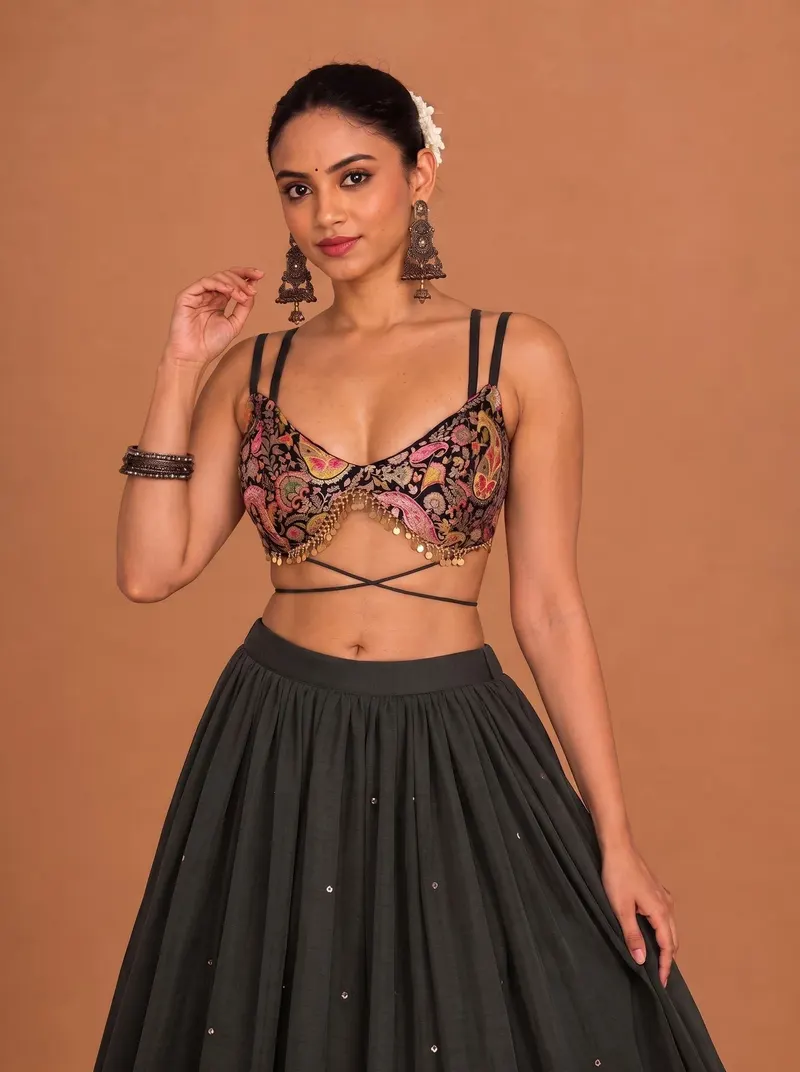
How to choose a saree blouse design that actually works
A beautiful blouse is not simply an attractive neckline photographed on a model. It needs to support your body, complement the saree, suit the occasion and stay comfortable through a full day of movement.
Think about the saree before settling on a blouse pattern. A Banarasi brocade with dense zari may need a simpler bodice, while a plain cotton saree can look fresh with a printed or hand-embroidered blouse.
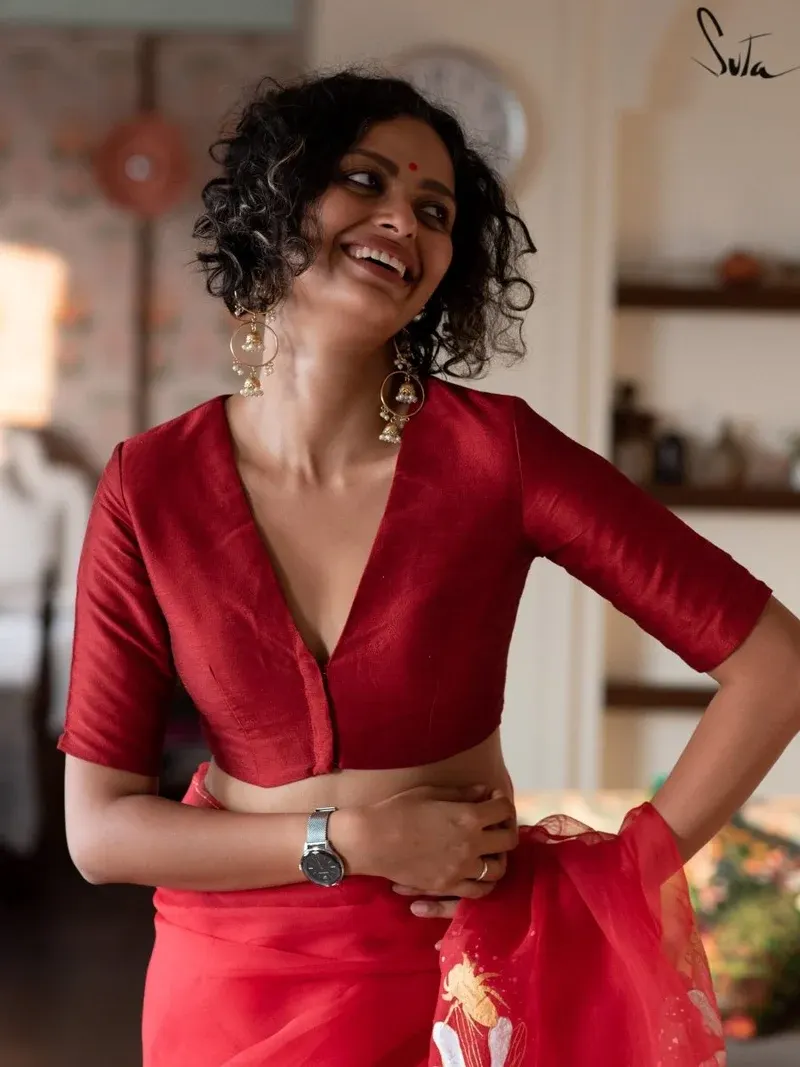
What parts of a blouse shape the final look?
A traditional or contemporary saree blouse typically includes a front neckline, back neckline, shoulder, bodice, sleeves or sleeveless armholes, and a fastening system. Some designs include lining, bust support, decorative panels, embroidery or ties. Each component affects comfort.
When comparing online designs, look beyond the front-facing photograph. Ask for the back view, side view, sleeve shape and information about closures.
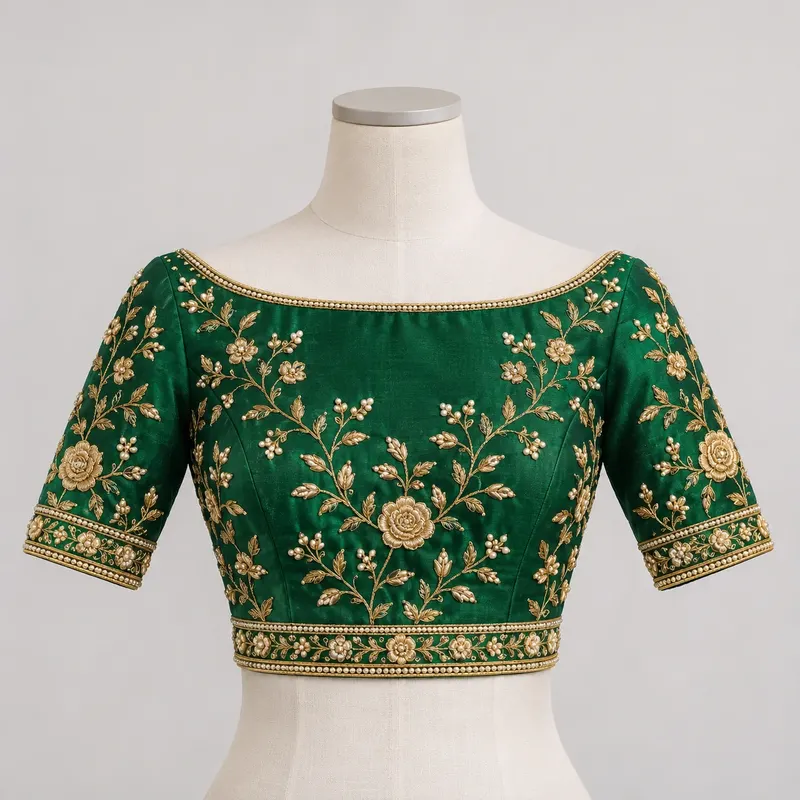
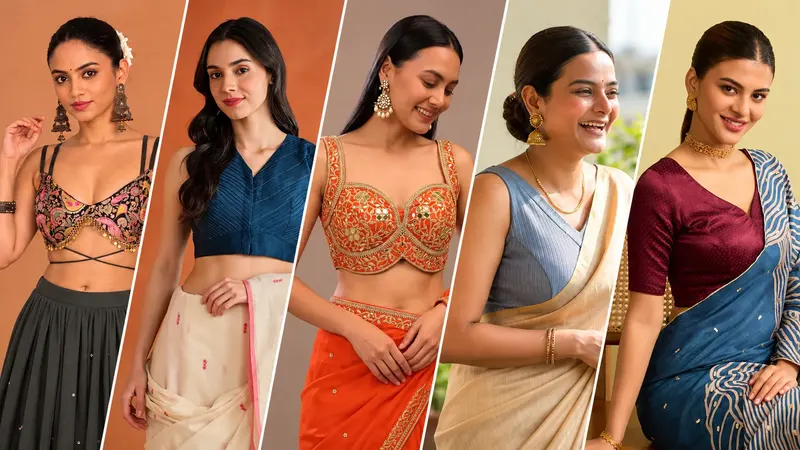
Boat-neck blouse designs
A boat neckline follows a relatively broad, shallow line across the upper chest, emphasizing the collarbone and shoulders without a deep opening. It can lend a polished, architectural feel to plain cotton, Chanderi or silk sarees.
The key technical challenge is shoulder stability. If the neckline extends too far toward the arms, it may shift as you move.
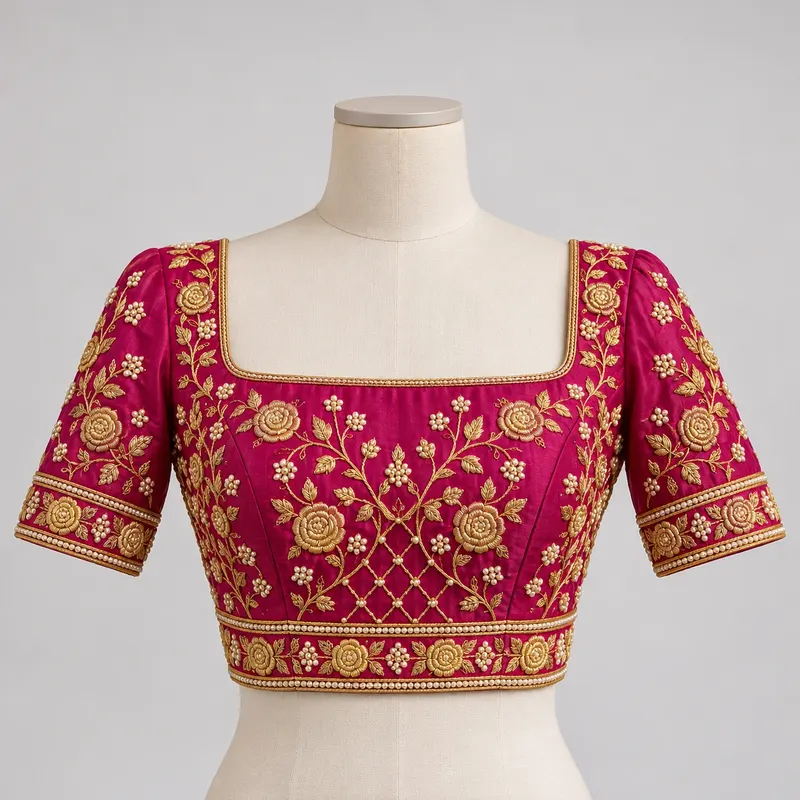
Square-neck blouse designs
A square neckline offers defined corners and a clean frame for the neck and upper chest. It can look contemporary with plain fabrics and equally striking with brocade or contrast borders.
Fit matters around the neckline corners. If they are poorly supported, the edges may gape or collapse. A tailor can use appropriate interfacing, lining or carefully shaped seams to keep the opening crisp without making the bodice uncomfortable.
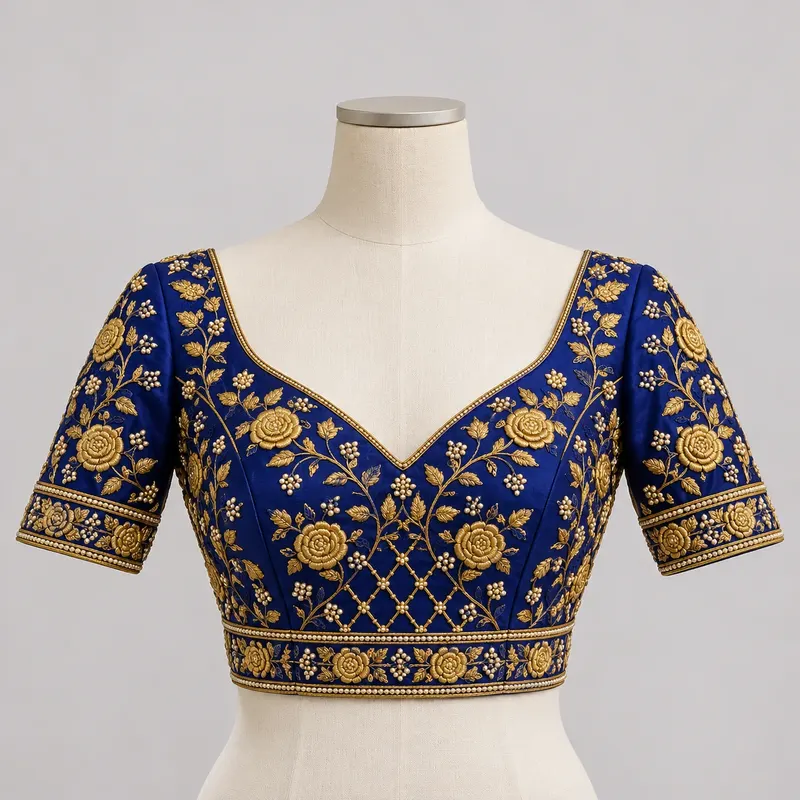
V-neck blouse designs
A V-neck can create a graceful vertical line and offers flexibility in depth. A modest V works with an everyday saree, while a more pronounced shape may suit formal eveningwear if properly supported.
The shape should be cut with attention to bust support and how the fabric sits at the center front. A neckline that looks secure when standing may open when bending forward.
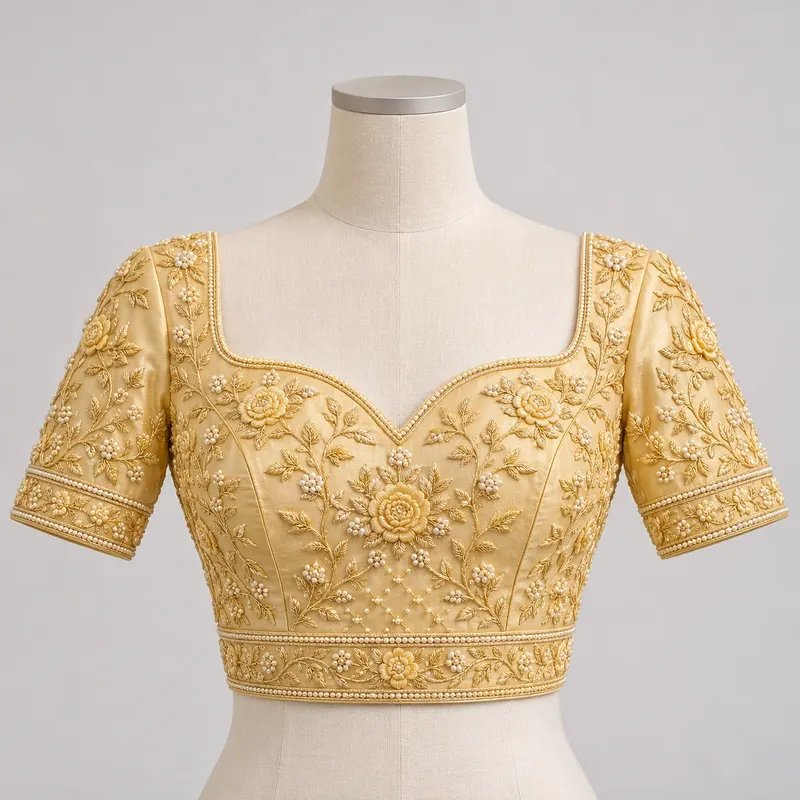
Sweetheart-neck blouse designs
A sweetheart neckline forms a curved, heart-like shape across the upper bodice and is common in formal and bridal-inspired looks.
This neckline needs accurate construction. Poorly fitted cups or stiff edges can create an awkward shape or discomfort. Ask about whether the design relies on built-in bust cups, darts, seams or a separate undergarment.
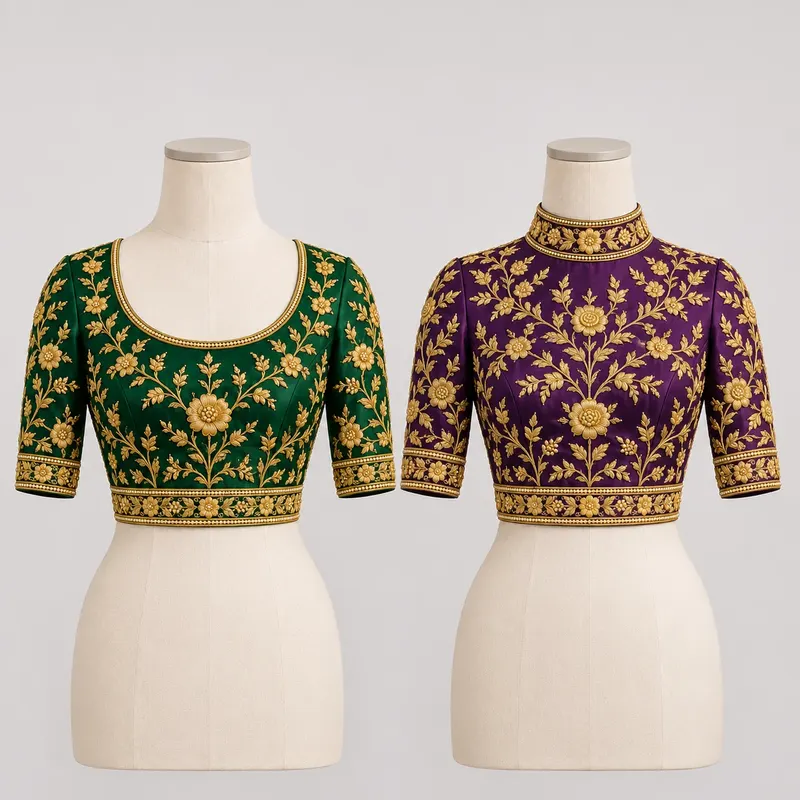
Round-neck and high-neck designs
A classic round-neck blouse is among the easiest silhouettes to adapt. A higher neckline can look tidy with printed cotton, silk and formal brocades, while a lower round neck can appear softer and more relaxed.
High-neck blouses may be particularly useful when the saree is sheer, as more of the upper bodice becomes part of the visible ensemble.
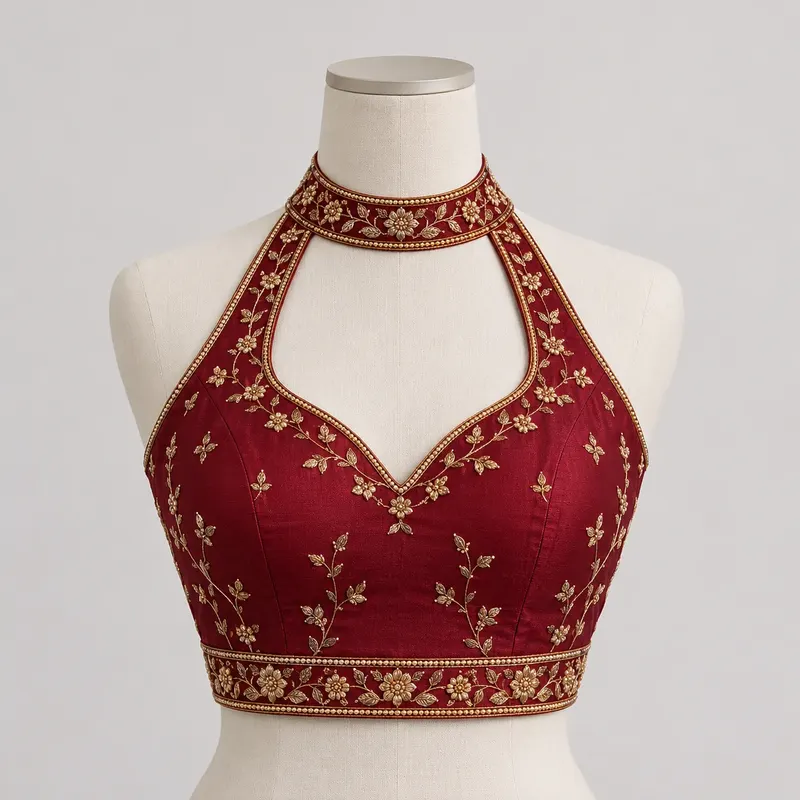
Halter-neck and sleeveless blouse ideas
Halter necklines emphasize the shoulders and often use straps or fabric that fastens around the neck. They can create a striking contemporary pairing with a fluid chiffon, georgette or minimalist silk saree.
Comfort and stability should be checked thoroughly. A halter that carries too much weight at the back of the neck can be uncomfortable over many hours, especially with a heavy pallu.
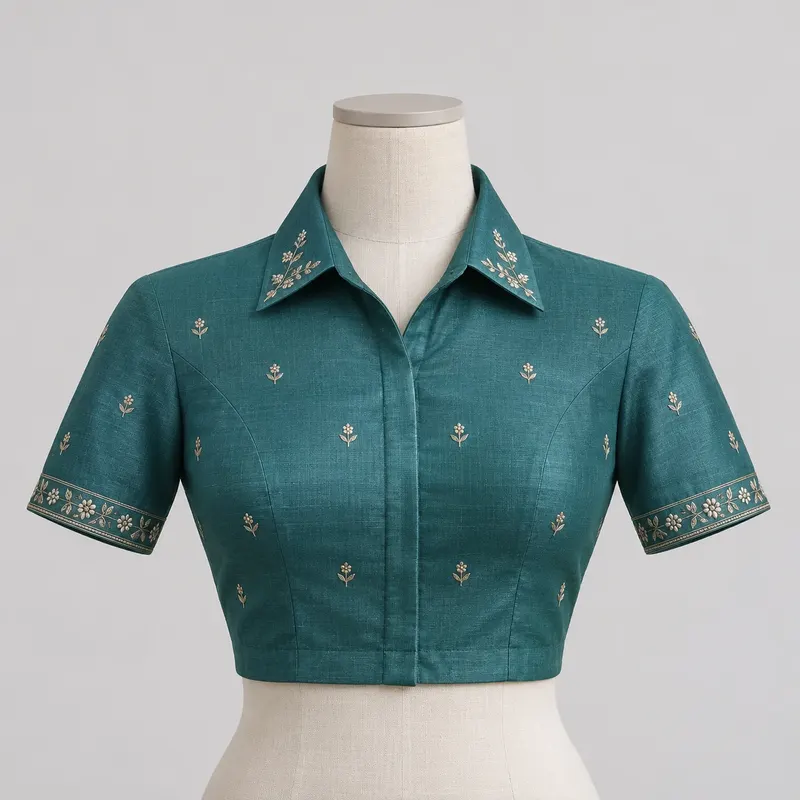
Collared and shirt-style saree blouses
A collared blouse or fitted shirt-style top can make a saree feel contemporary while preserving the textile as the visual centerpiece. This approach can suit office occasions, creative events and fashion-forward receptions.
A long shirt can create uneven thickness beneath the saree wrap; a carefully cropped blouse-like version may be easier to manage.
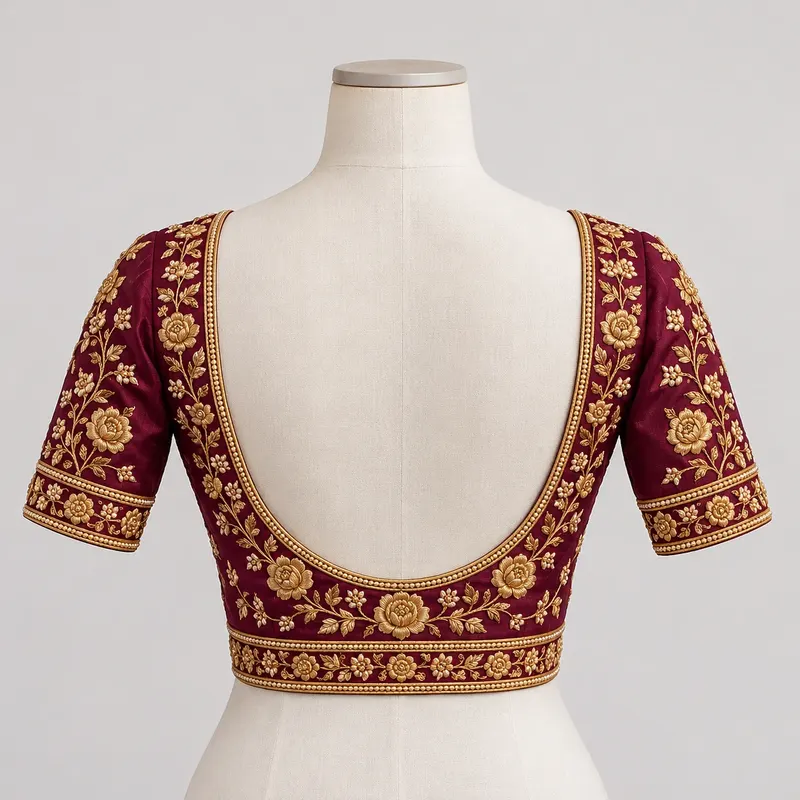
Deep-back blouse designs
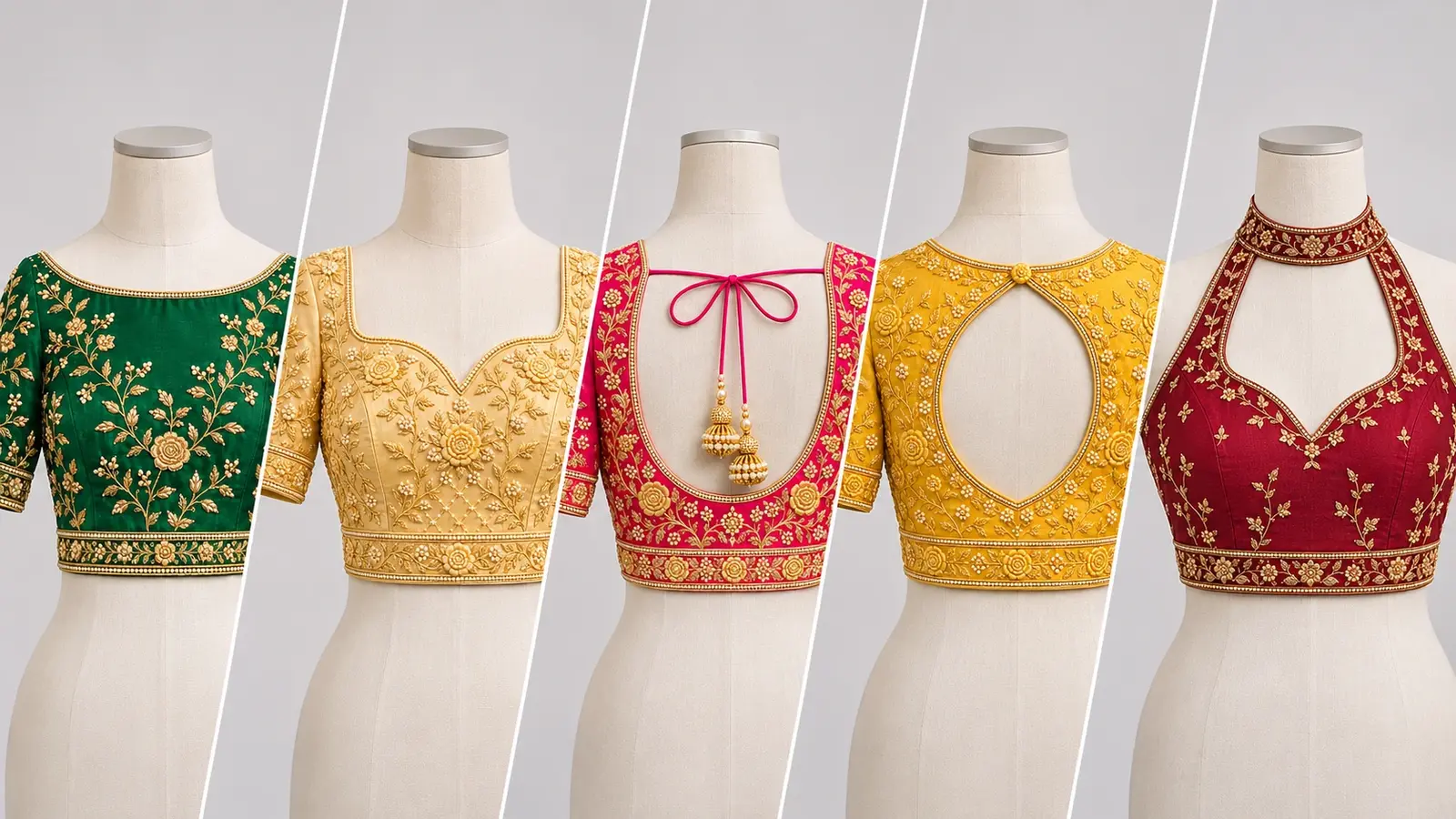
A deep-back design places more visual attention on the rear bodice, making it especially effective when the saree pallu leaves the back visible. Shapes range from a low U and broad scoop to narrower V and curved cutouts.
Before choosing a low back, discuss support and fastening with a competent tailor. Hook placement, shoulder straps, side seams and any internal cups should work together rather than forcing one tie to carry the entire blouse.
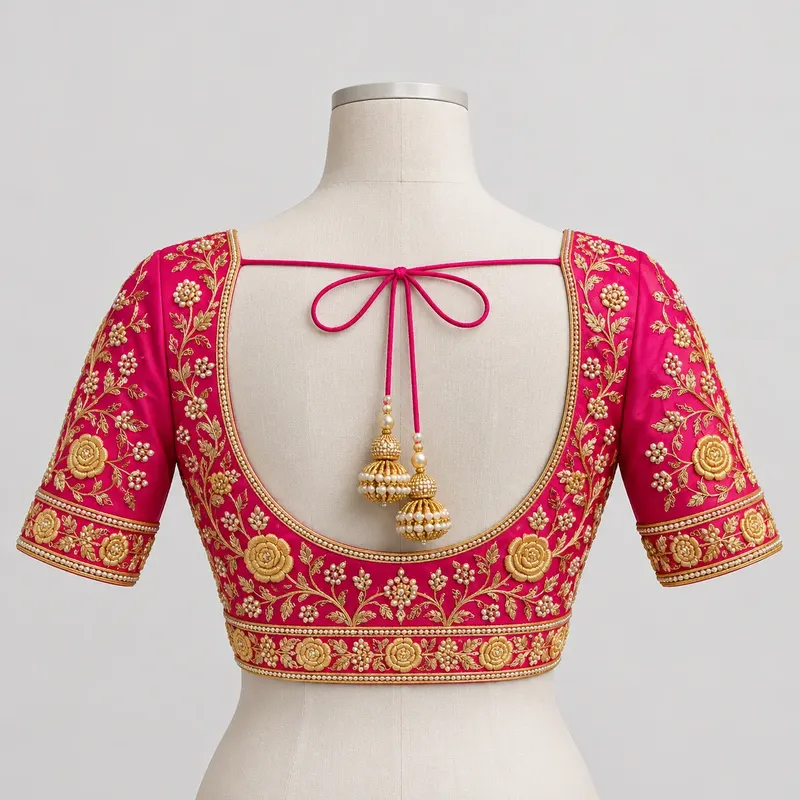
Dori-back and tie-up blouse styles
Dori refers to tie cords often used at the back of a blouse, sometimes finished with fabric tassels or decorative latkans.
Do not treat the dori as a substitute for correct blouse construction. An overly tight tie can create pressure at the neck or pull the fabric awkwardly across the shoulders, while a loose tie may allow gaping.
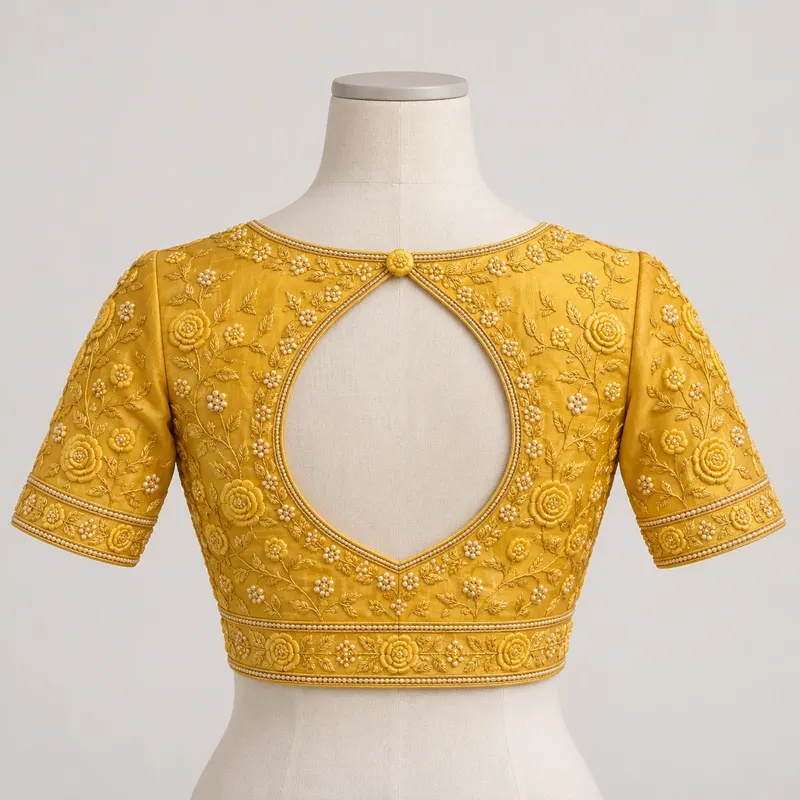
Keyhole and cutout blouse designs
A keyhole detail creates a small opening at the front or back, often framed by a high neckline. It adds interest to otherwise simple silhouettes without requiring all-over embroidery.
Think about undergarments, lining and the direction of movement when selecting the opening. A cutout that sits under the pallu may become invisible; one placed near the armhole can distort when you reach forward.
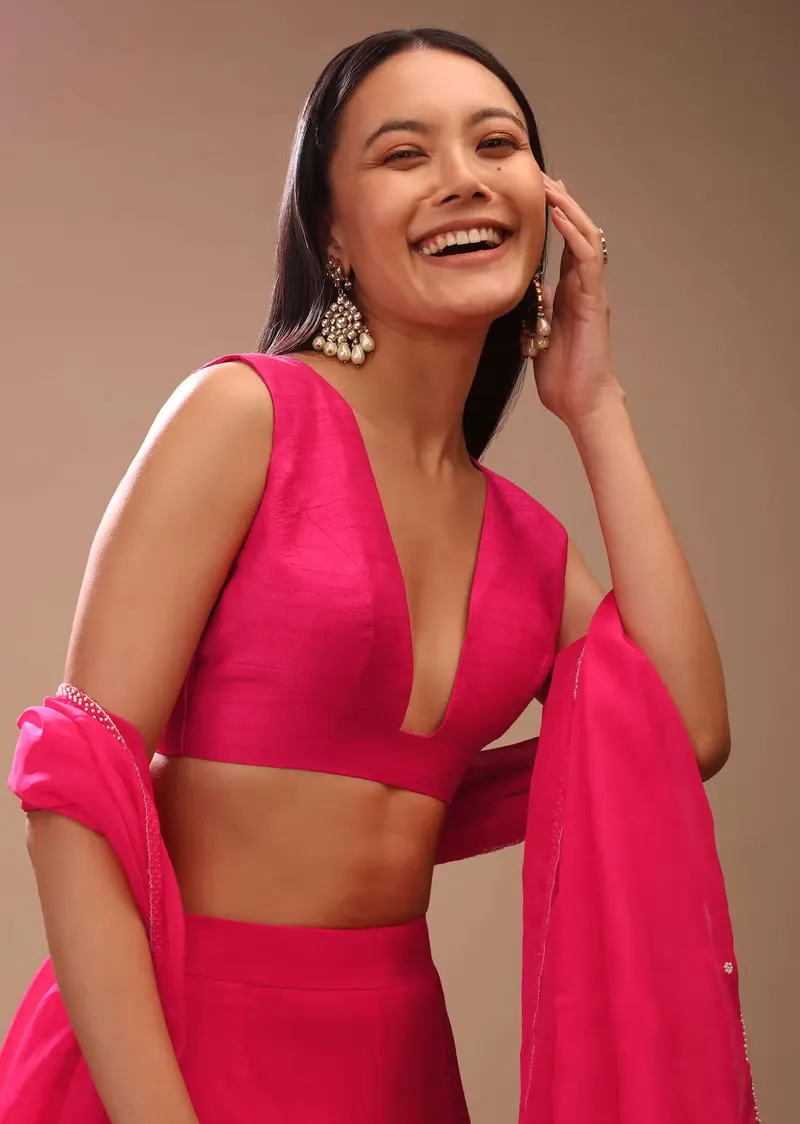
Short-sleeve blouse designs
Short sleeves remain popular because they are familiar, versatile and easy to coordinate with different sarees. They can be fitted, slightly relaxed, cap-shaped or finished with a decorative border.
Pay attention to the sleeve hem and armhole. Very tight short sleeves may ride upward when you raise your arms, while sleeves that are too wide can look unstructured if the bodice is very fitted.
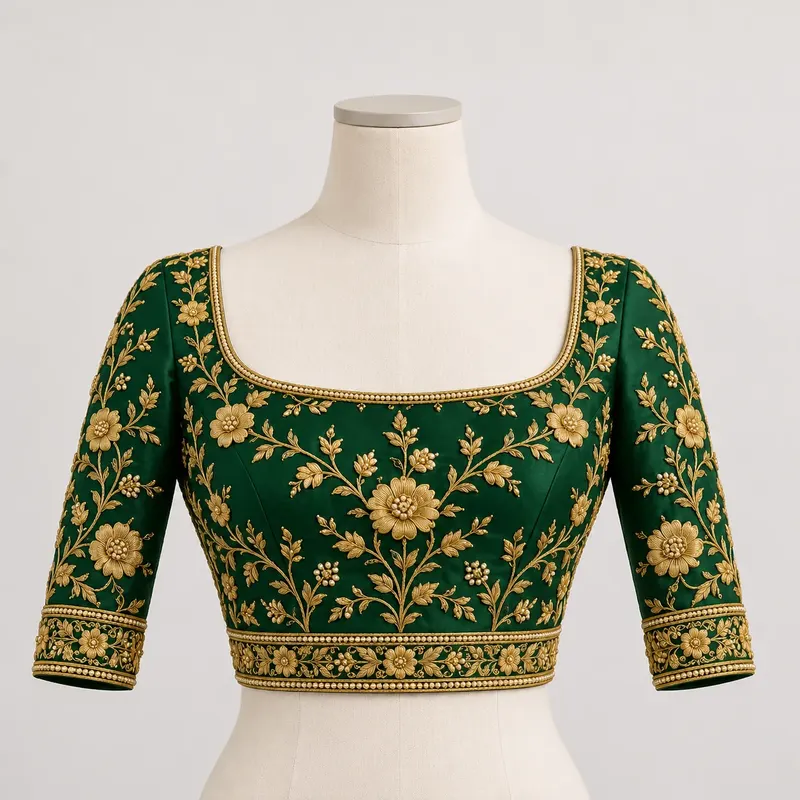
Elbow-length sleeves and three-quarter sleeves
Elbow-length sleeves can create a refined formal look, especially with Banarasi, Kanjivaram and other substantial silk sarees. Three-quarter sleeves extend the visual line further and may suit cooler environments or occasions where additional coverage is preferred.
Longer sleeves must account for bending and reaching. A sleeve that fits tightly around the elbow while the arm is straight may become uncomfortable when you sit or eat.
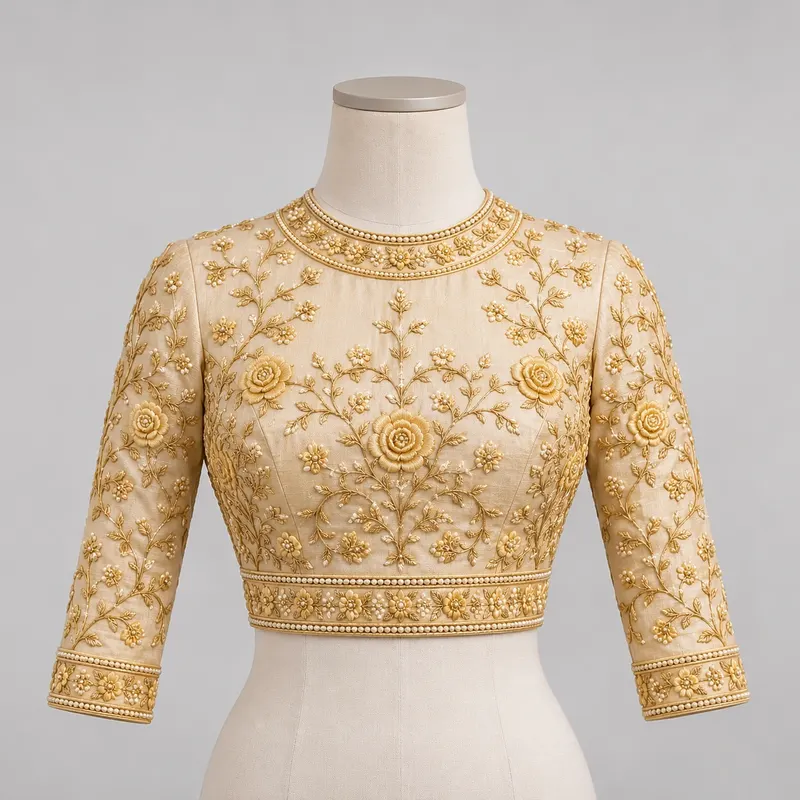
Full-sleeve and sheer-sleeve blouse ideas
Full sleeves can feel elegant with silk sarees and formal evening drapes. Sheer sleeves in net or organza can add visual texture while leaving the main bodice more structured.
Transparent fabrics require careful sewing and may feel less comfortable if seam edges are rough. Ensure that the body and sleeve materials move together rather than pulling at the shoulder.
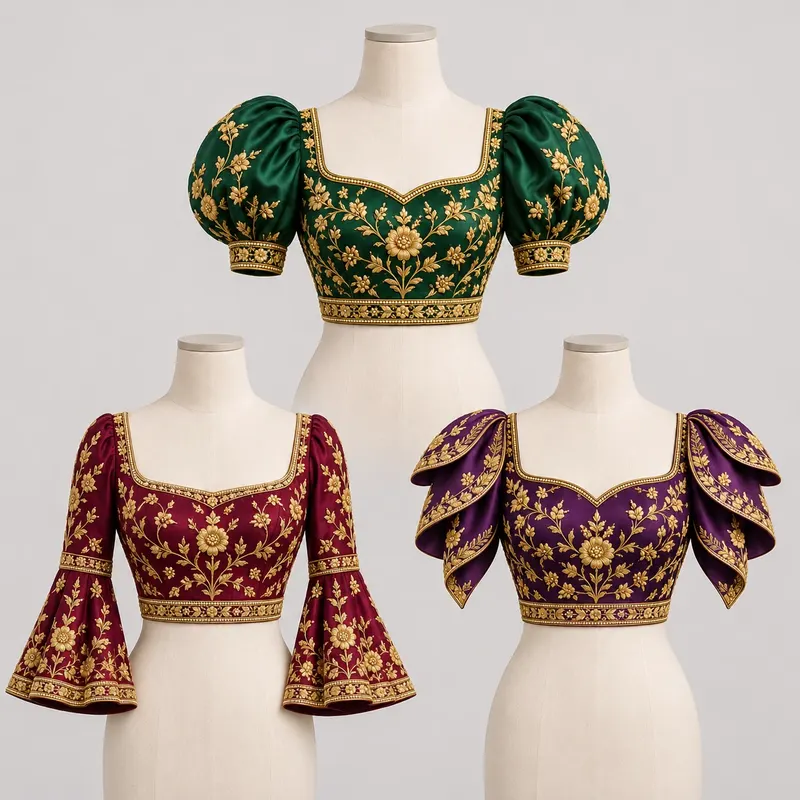
Puff sleeves, bell sleeves and statement shapes
Puff sleeves add volume near the shoulder or upper arm, while bell sleeves expand toward the cuff. Both can introduce a fashion-forward silhouette, particularly when paired with a relatively plain saree.
Very large sleeves can catch on serving tables, jewelry and loose pallus. Choose the volume in relation to your saree fabric: a stiff organza saree paired with equally stiff dramatic sleeves may produce more bulk than intended.
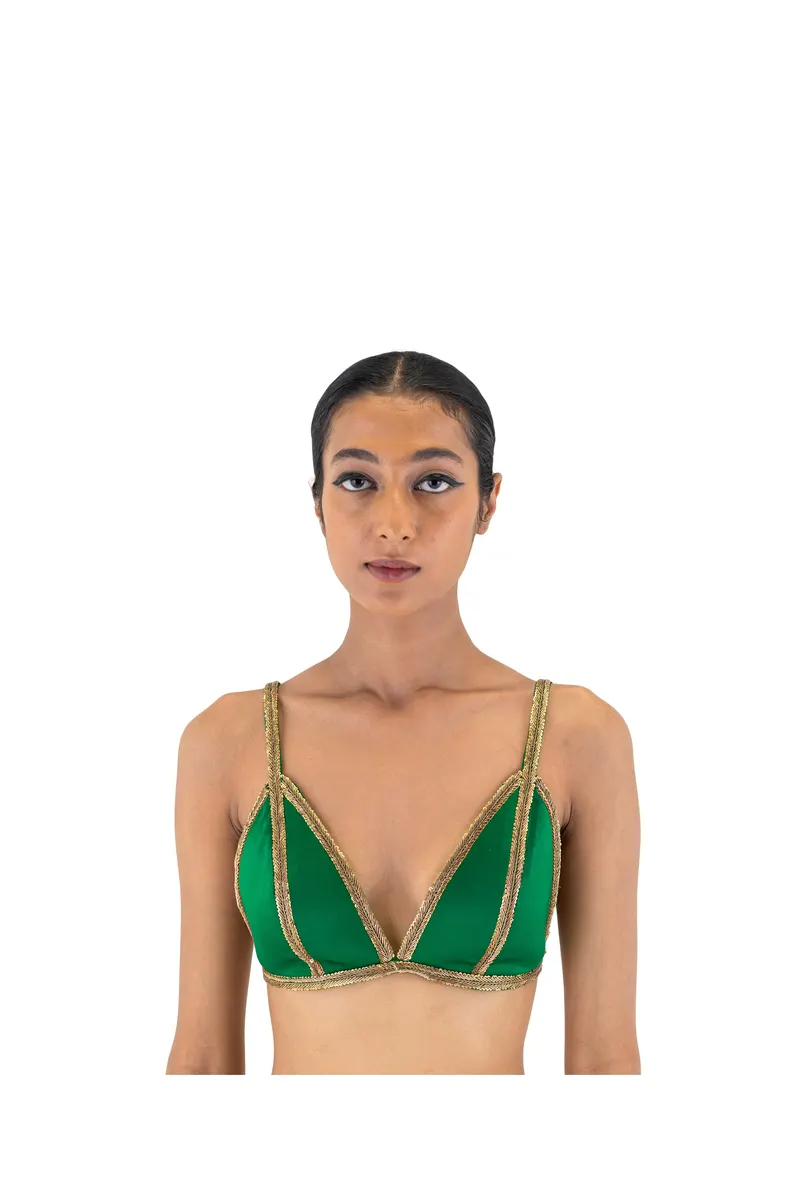
Blouse colors that complement different sarees
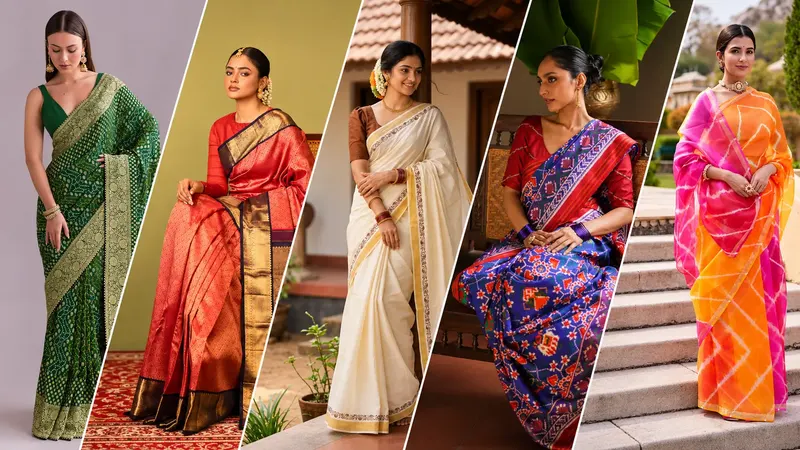
Matching the blouse exactly to the saree creates a cohesive silhouette, especially when jewelry provides the main contrast. Using a shade from the border or pallu creates a more intentional relationship than selecting an unrelated bright color.
Color photographs can mislead under artificial lighting. Compare fabric swatches in daylight and, when possible, place the blouse material directly beside the saree. Consider whether the sari is transparent, because an underlayer may change the apparent color.
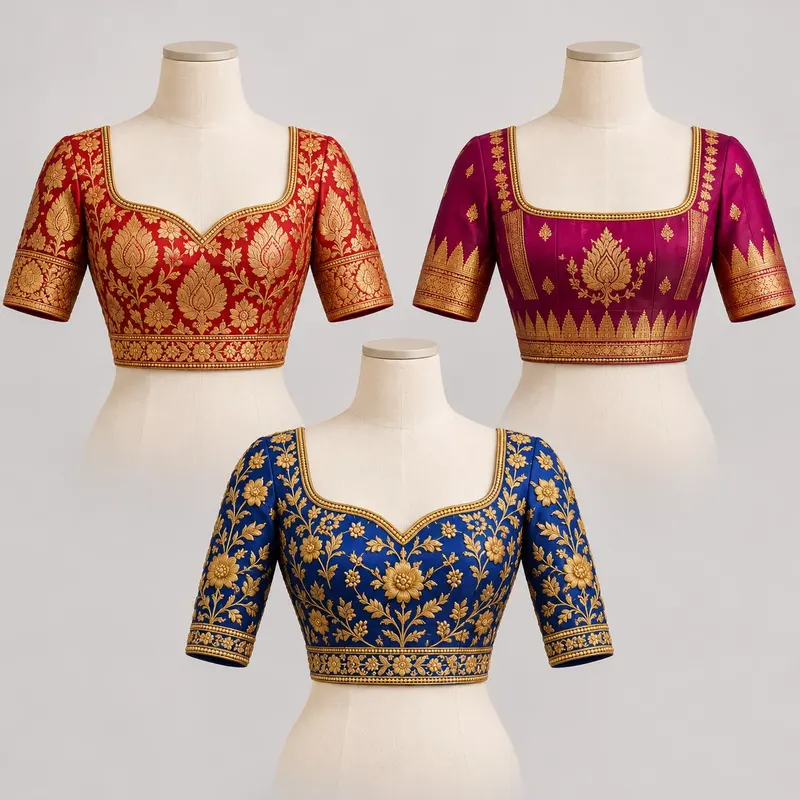
Blouse designs for Banarasi, Kanjivaram and other silk sarees
Rich Banarasi brocade often benefits from an uncomplicated blouse neckline that lets the woven motifs remain prominent. A boat neck, square neck or simple high round neck can provide structure.
A Chanderi or Jamdani saree may call for an especially neat underlayer because of transparency. With printed or tie-dyed sarees, a solid blouse can calm a busy palette.
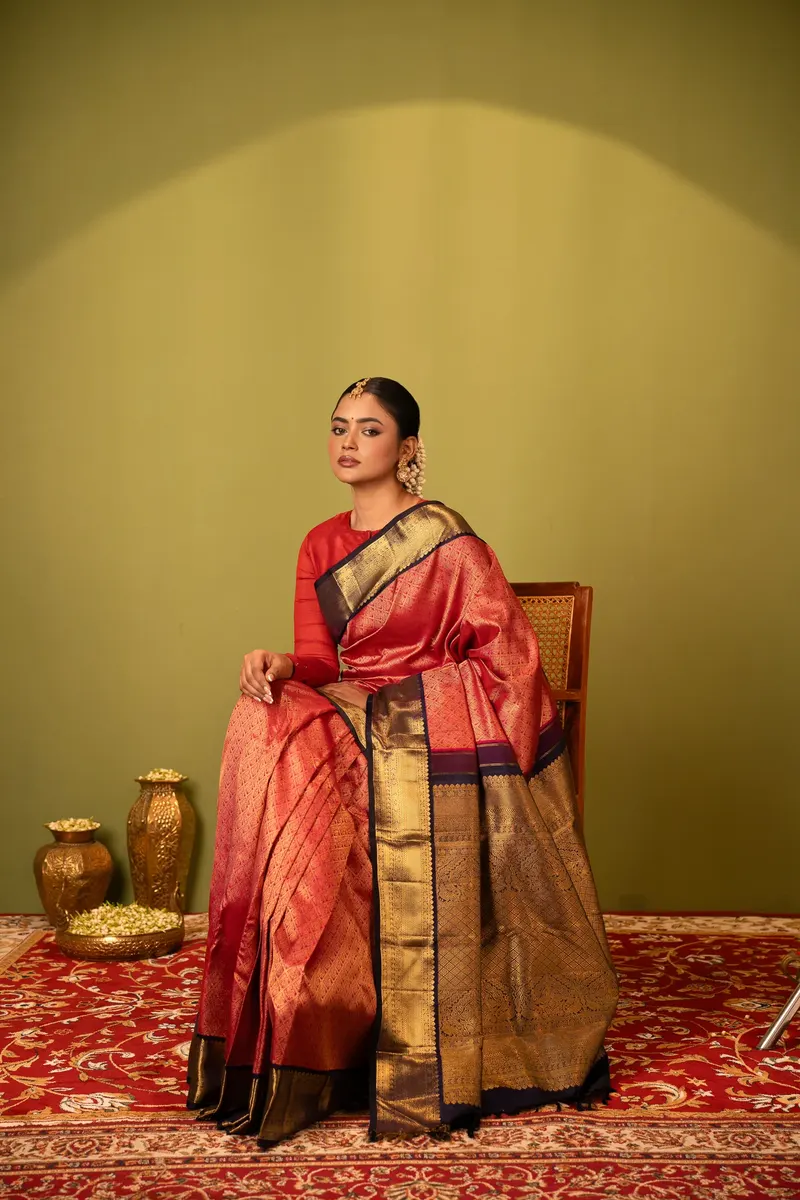
Best blouse designs for weddings and bridal events
Bridal blouse decisions often involve family customs, outfit symbolism, jewelry, photography and comfort across multiple ceremonies. A heavily embroidered blouse can complement a relatively simple silk saree; a rich brocade often needs a quieter partner.
Allow extra fitting time when the blouse includes structured cups, low backs or elaborate sleeves. The garment should be tested with the actual saree drape because a heavy pallu can pull the shoulder and affect fit.
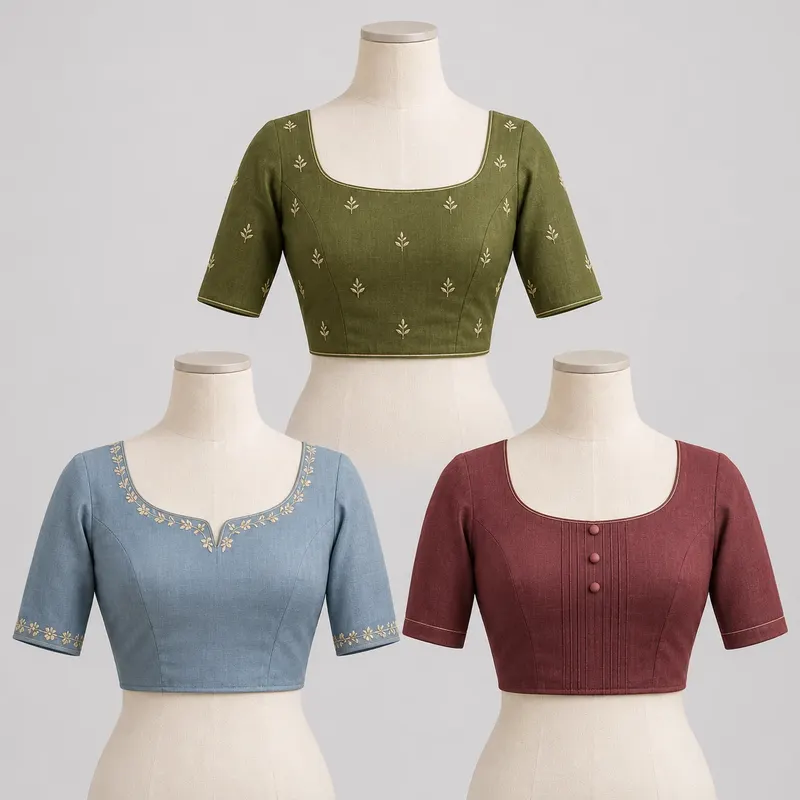
Everyday blouse designs for office and casual wear
Everyday blouses should prioritize breathable fabric, reliable closures, manageable sleeves and easy care. Round-neck, boat-neck and modest V-neck designs can work particularly well with cotton and handloom sarees.
When choosing a blouse for work, check whether the hem stays in place as you sit and stand. A longer blouse can provide additional coverage but may create bulk under certain waist tucks.
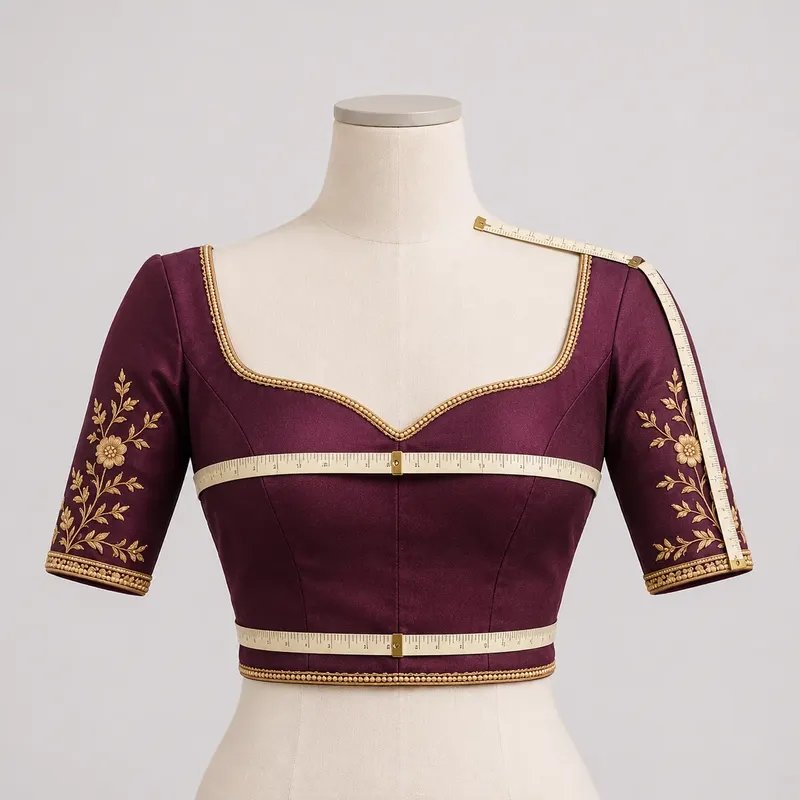
How to take blouse measurements accurately
Professional tailoring begins with actual body and garment measurements, not a size label. Common measurements include bust circumference, underbust where relevant, shoulder width, armhole, sleeve circumference, sleeve length, blouse length and desired neckline depth.
A clothing measurement is not always the same as a body measurement. Ease allowances vary by style and fabric, especially between rigid brocade and fabrics with stretch.
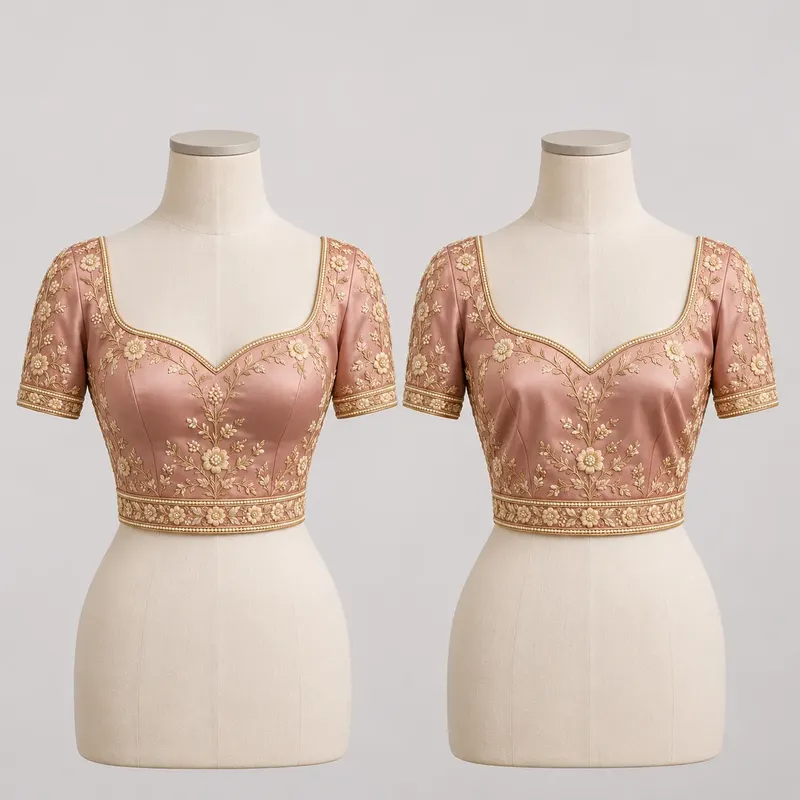
Padded versus non-padded blouses
Some blouses contain sewn-in cups or internal shaping, which can reduce the need for a separate bra depending on the design and wearer's comfort. Other blouses use lining and conventional dart or seam shaping without built-in padding.
Before ordering, ask whether cups are removable, how they are positioned, what lining is used and whether alterations are possible. A low back or halter design may require more deliberate support planning.
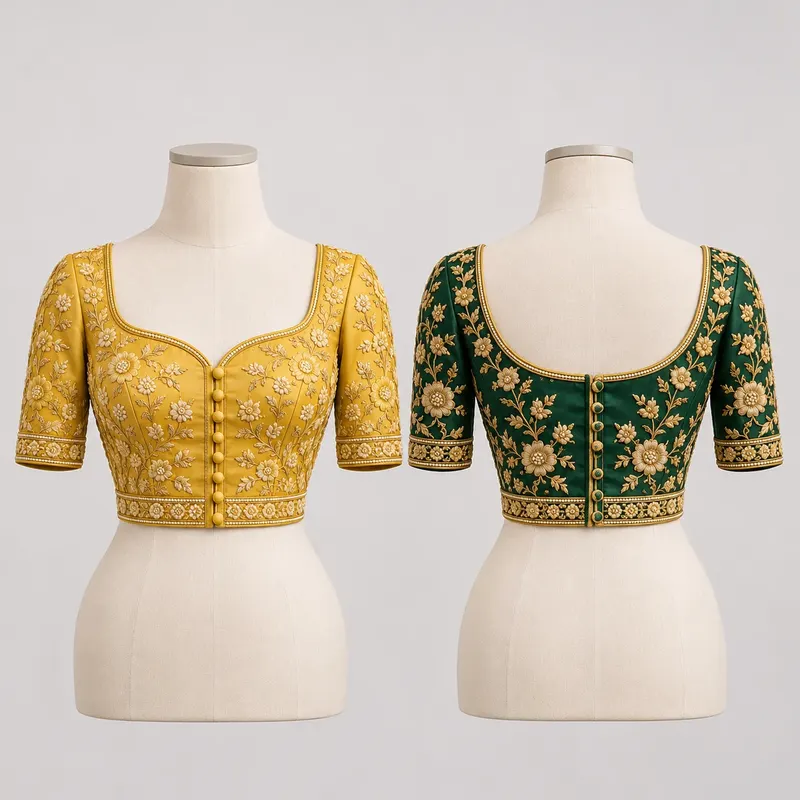
Front-opening and back-opening blouse closures
Front-opening blouses can be convenient for some wearers, especially when elaborate back work or restrictive sleeves make rear fastening difficult. Back-opening designs may suit particular necklines or aesthetic choices.
Inspect the stitching around closures because repeated tension can weaken small sections. Sharp metal hooks must be fully covered so they do not catch the saree.
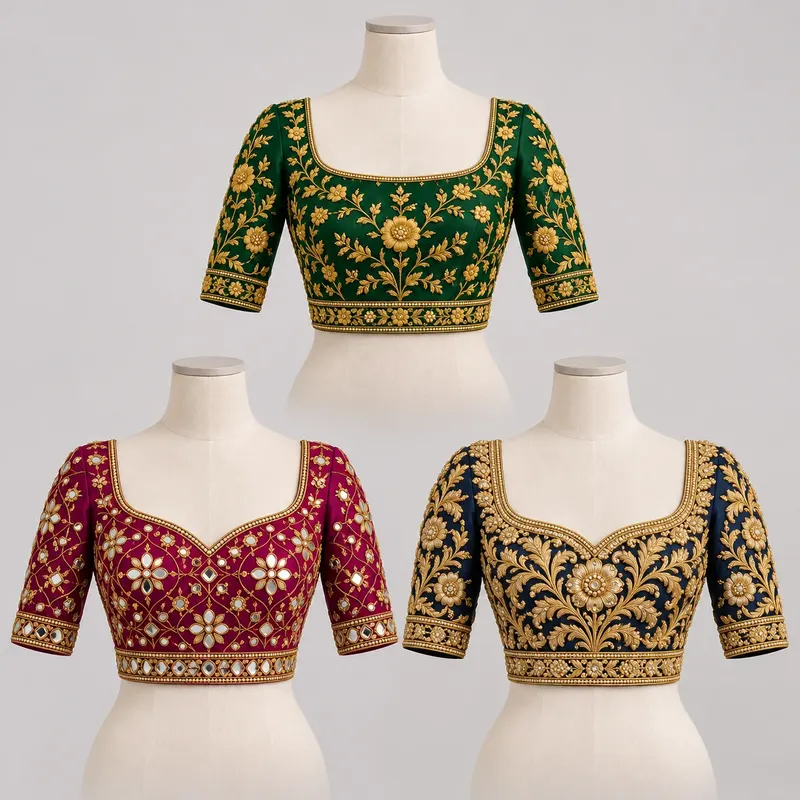
Choosing embroidery, mirror work and zardozi
Embroidery can be a focal point or a subtle finish. Mirror-work elements are associated with several regional craft practices and create bright reflections, while zardozi refers to ornamental embroidery traditions that may use metallic-looking threads.
Check the inner side of embroidered fabric for rough threads, sharp edges and stiff backing. A blouse that scratches the skin will not become more comfortable simply because the embroidery is elaborate.
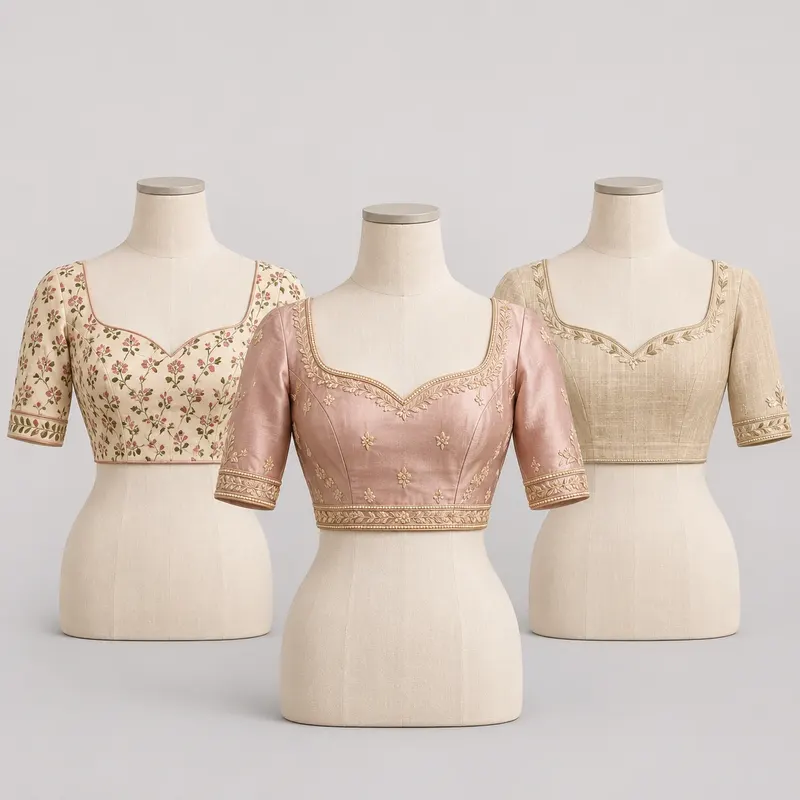
Fabric choices for comfortable saree blouses
Cotton can feel breathable for everyday wear, while silk and silk blends offer different textures and sheen for formal occasions. Brocade makes a dramatic statement but may need carefully chosen lining.
Match the blouse fabric to both the saree and the intended activity. A heavy blouse with a heavy pallu can make an outfit feel restrictive; a very slippery blouse may interact awkwardly with a sliding shoulder drape.
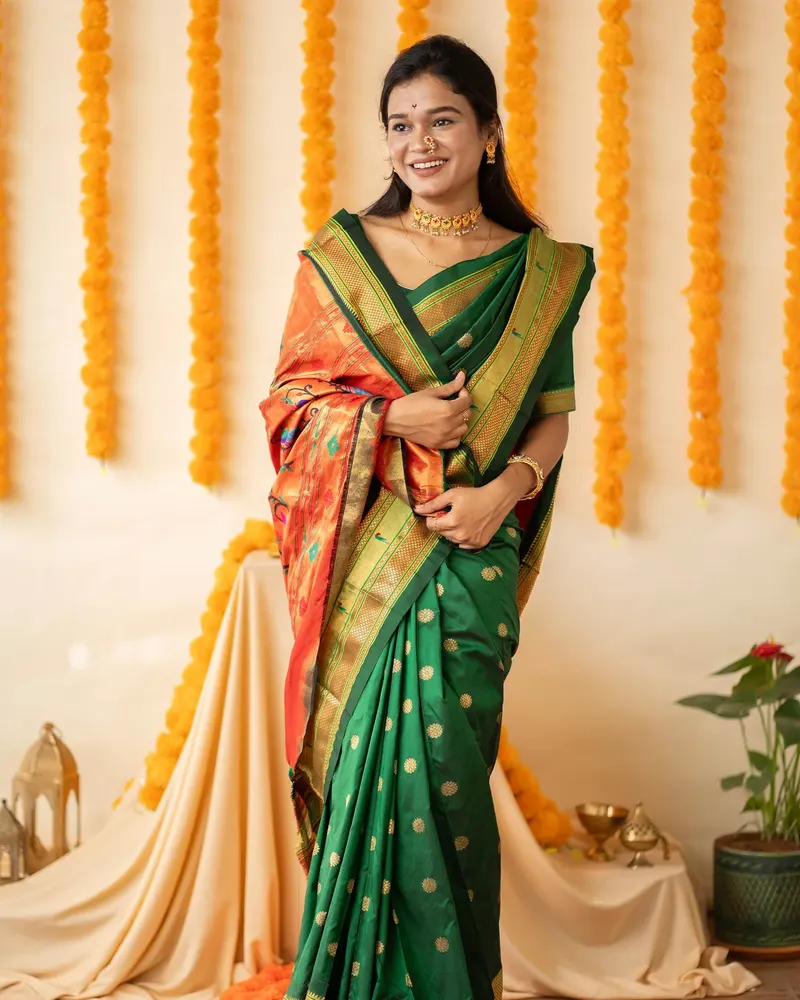
How to prevent gaping, pulling and poor fit
Gaping at the neckline may come from an opening that is too wide, insufficient shaping or a mismatch between garment and body measurements. Pulling across the bust may indicate insufficient ease or incorrect dart placement.
During fitting, stand, sit, reach up, cross your arms comfortably and turn from side to side. Make sure closures remain secure and seams do not strain.
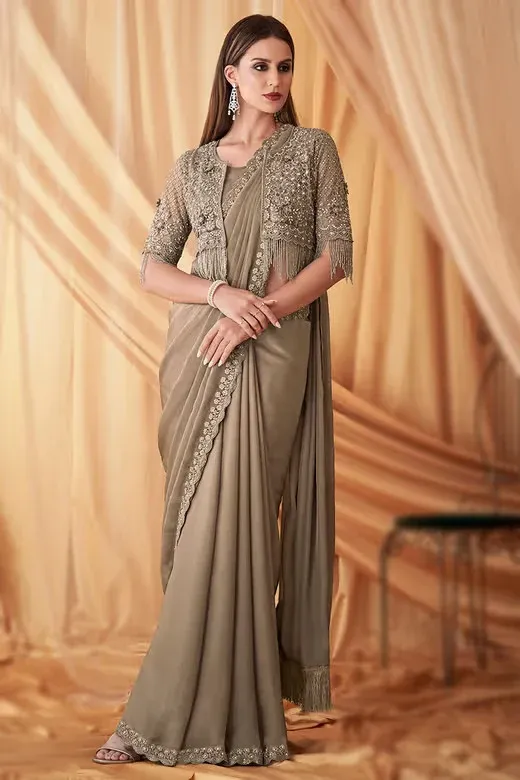
Planning a reusable blouse wardrobe
If you wear sarees regularly, build around a few dependable designs instead of chasing every neckline trend.
Photograph your sarees together with possible blouse fabrics before making final decisions. A blouse that complements two or three garments is especially useful when traveling.
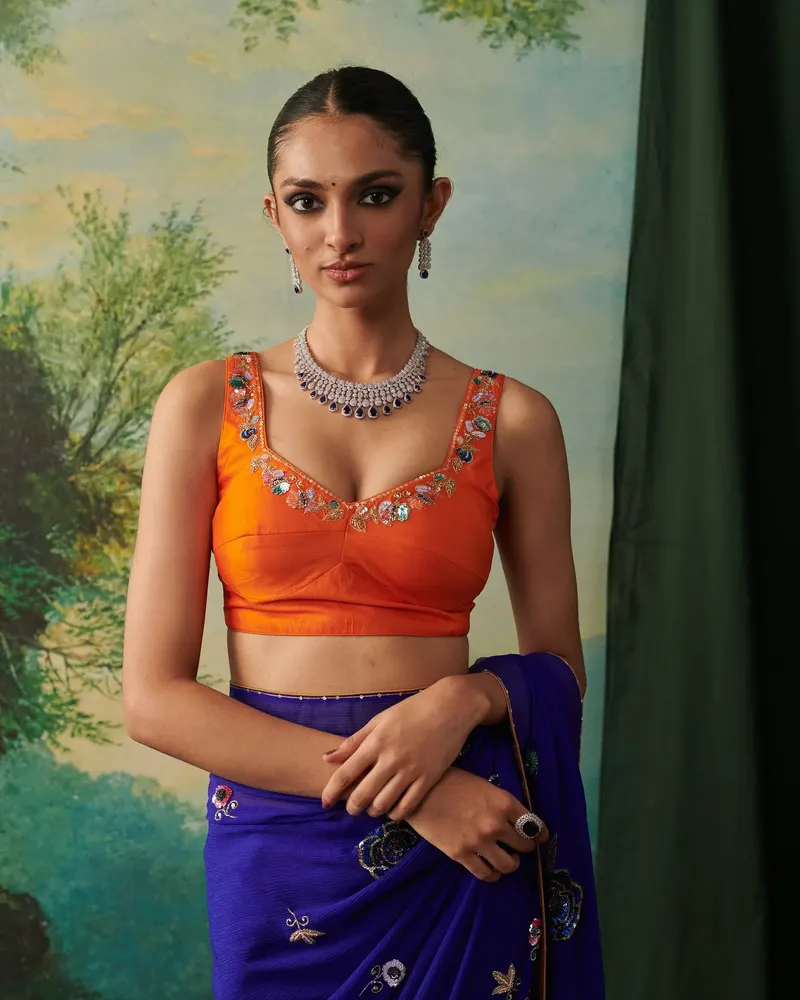
What to discuss with your tailor
Bring the actual saree, or at least detailed photographs and a fabric swatch, to your tailoring appointment. Explain the intended event, preferred neckline depth, sleeve length, support needs, closure type and comfort requirements.
Confirm alteration allowances, fitting dates and the final trial with your saree. Show the tailor how you plan to position the pallu, because an asymmetrical drape can conceal one shoulder and expose another.
Final styling checklist before an event
Try on the completed blouse with the saree, underskirt, jewelry, bag and shoes. Check that the neckline stays where intended when bending, the sleeves allow full movement and the back fastening remains secure.
Make small changes early rather than relying on an emergency alteration the morning of a celebration.
Frequently asked questions
- Which blouse neck design works with most sarees?
- A well-fitted round, boat or moderate V-neck is versatile, but the best option depends on the saree, undergarments, comfort and jewelry.
- What blouse design suits a heavy Banarasi saree?
- A simpler square, boat or round-neck blouse can balance dense brocade. Choose fabric and color to complement the actual textile.
- Which sleeves look good with a Kanjivaram saree?
- Short, elbow-length and three-quarter sleeves are all viable. Consider the saree's border, event formality and mobility.
- Are padded blouses better than non-padded blouses?
- Neither is automatically better. The best choice depends on accurate construction, wearer support and comfort preferences.
- Can a blouse be reused with several sarees?
- Yes. A dependable fit and complementary color can make one well-made blouse useful with several fabrics.
- Why does my blouse gape at the neckline?
- Common causes include incorrect neckline width, insufficient shaping or poor fit. A tailor should assess the actual garment rather than relying on tape alone.
- How should I measure for a saree blouse?
- Measure bust, shoulder, armhole, length, sleeves and required neckline dimensions according to your tailor’s instructions, distinguishing body from finished-garment measurements.
- What is a dori blouse?
- It is a blouse with tie cords, often at the back neckline. A decorative dori should work with a secure garment construction.
- What is best for a summer wedding?
- Choose breathable fabric, a comfortable neckline and manageable sleeves while accounting for the saree’s weight and the venue.
Style the full look: Explore our complete Indian sarees guide.